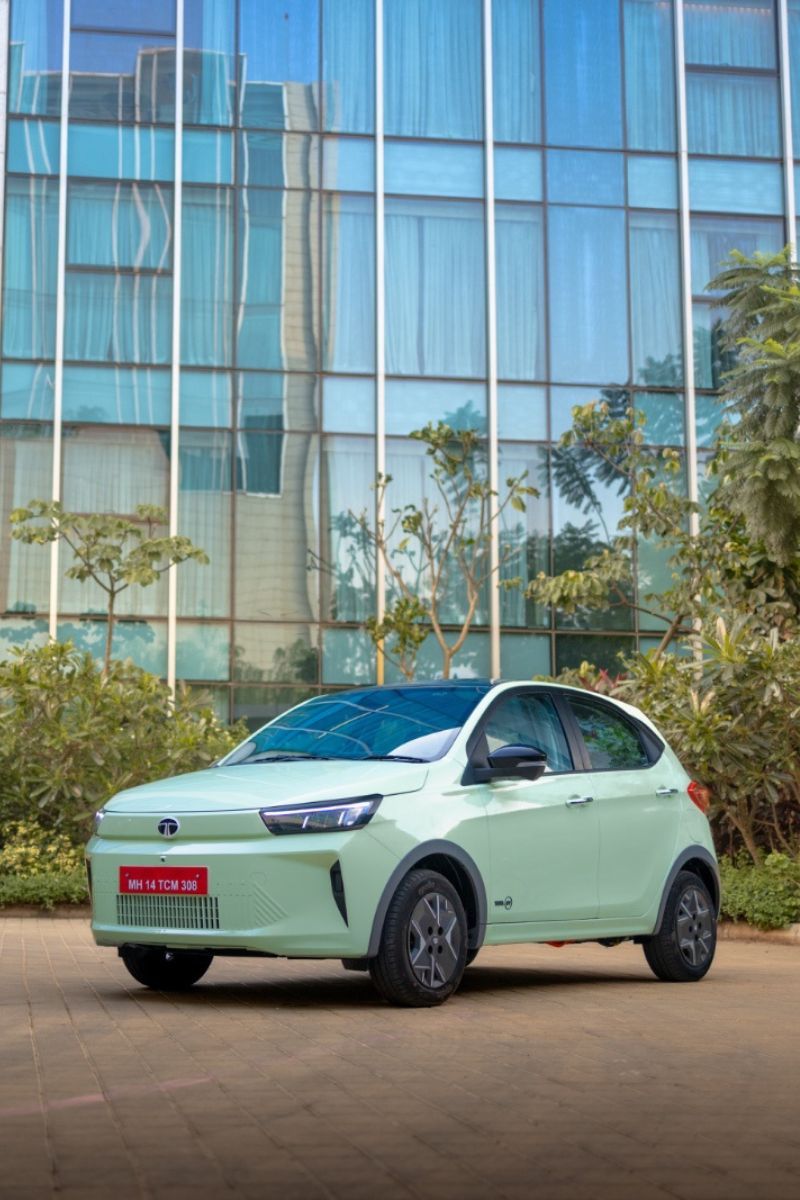
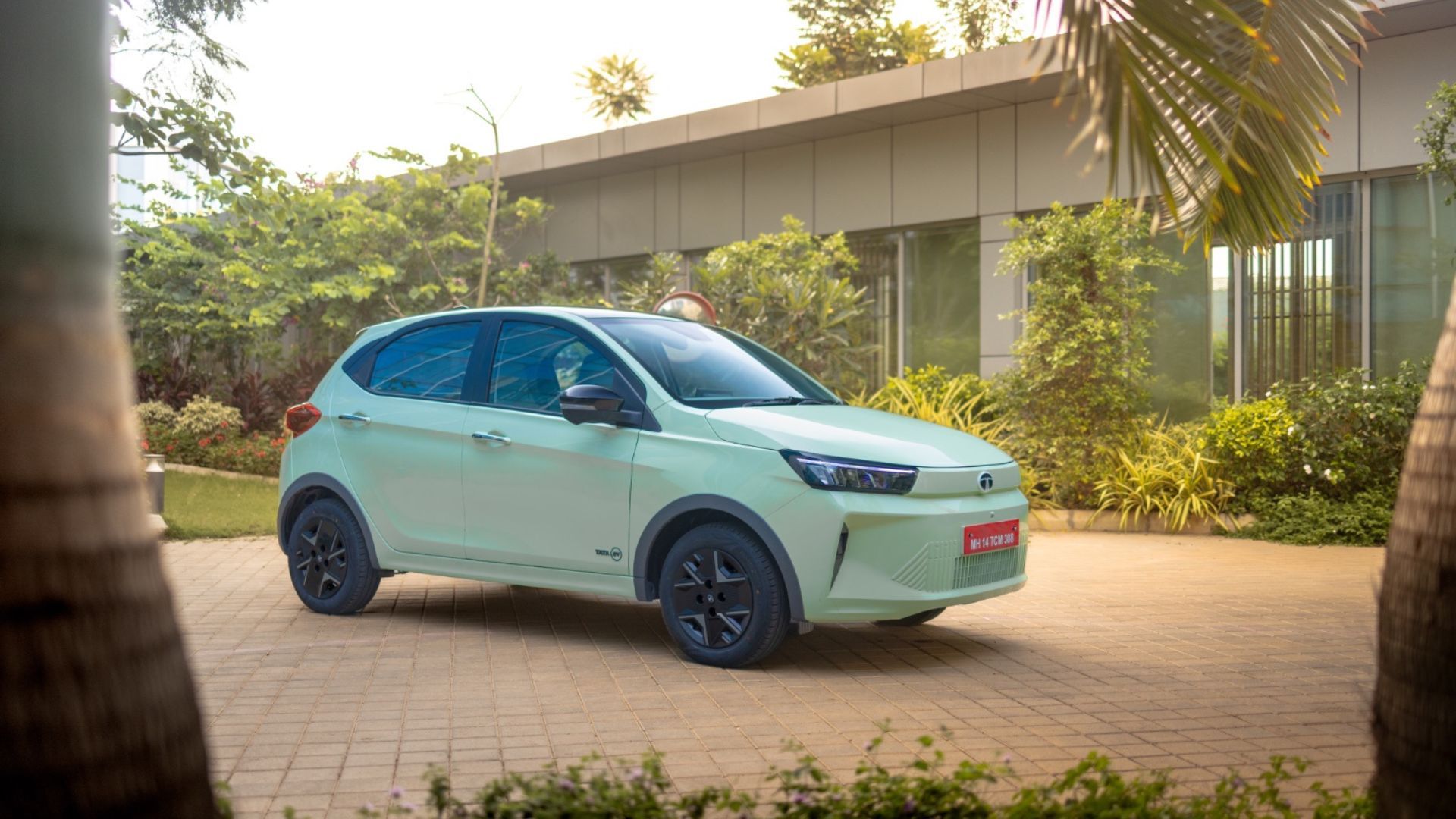
The Tata Tiago first went on sale in 2016. That was a decade ago, which in the automotive world is roughly three smartphone generations and one complete cycle of buyer expectations. And yet, through most of that decade, it kept selling. Not in the explosive way that the Nexon or Punch did, but steadily, quietly, the way a car does when it has found its people and its people have found it. For a lot of Indian buyers, the Tiago was the first Tata they ever owned — the gateway into a portfolio that now stretches from a Rs 5 lakh hatchback to the Avinya concept. Tata didn't forget that. The 2026 facelift is the biggest update this nameplate has ever received, and it arrives in three versions simultaneously: a petrol and CNG ICE and an EV, both redesigned inside out.
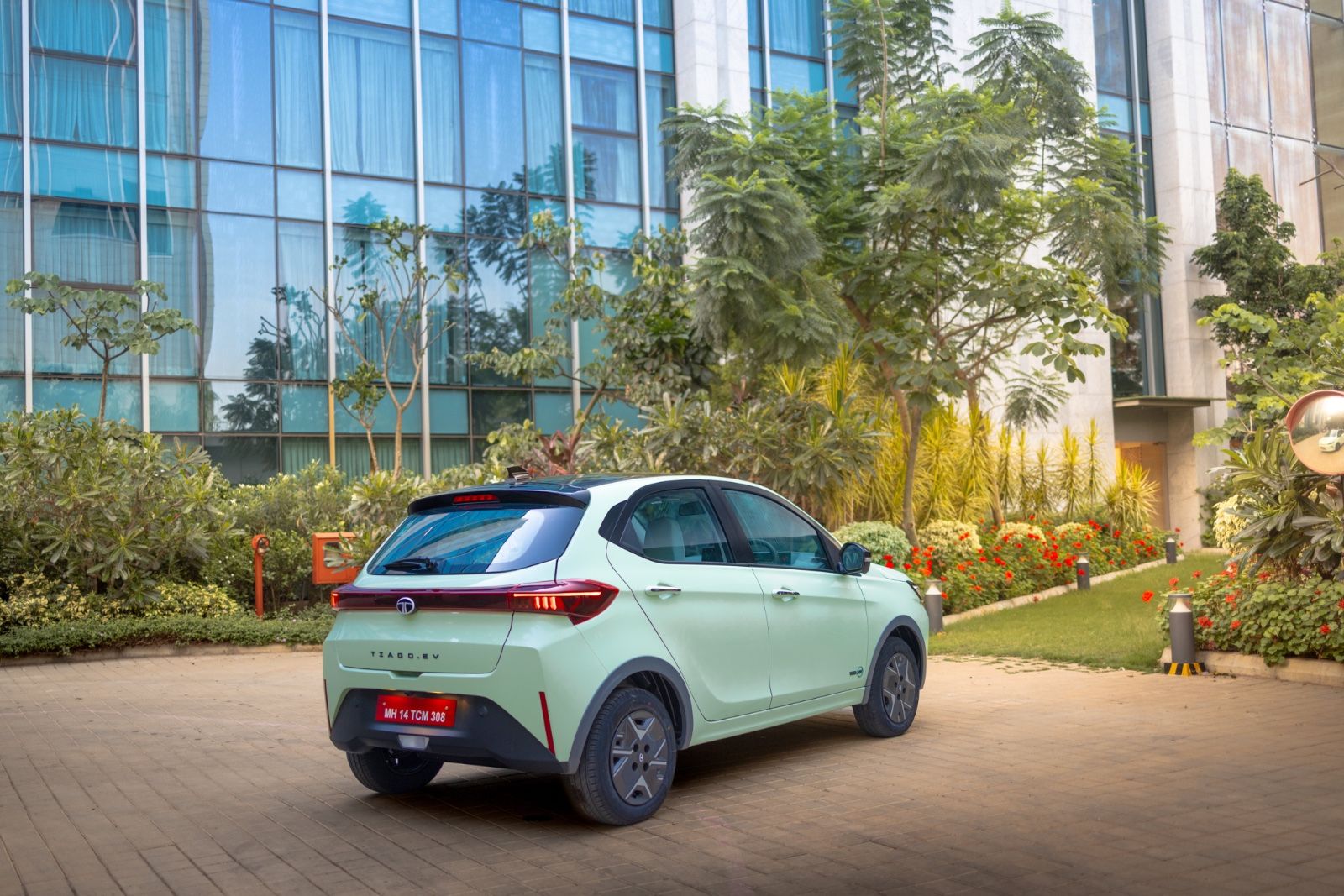
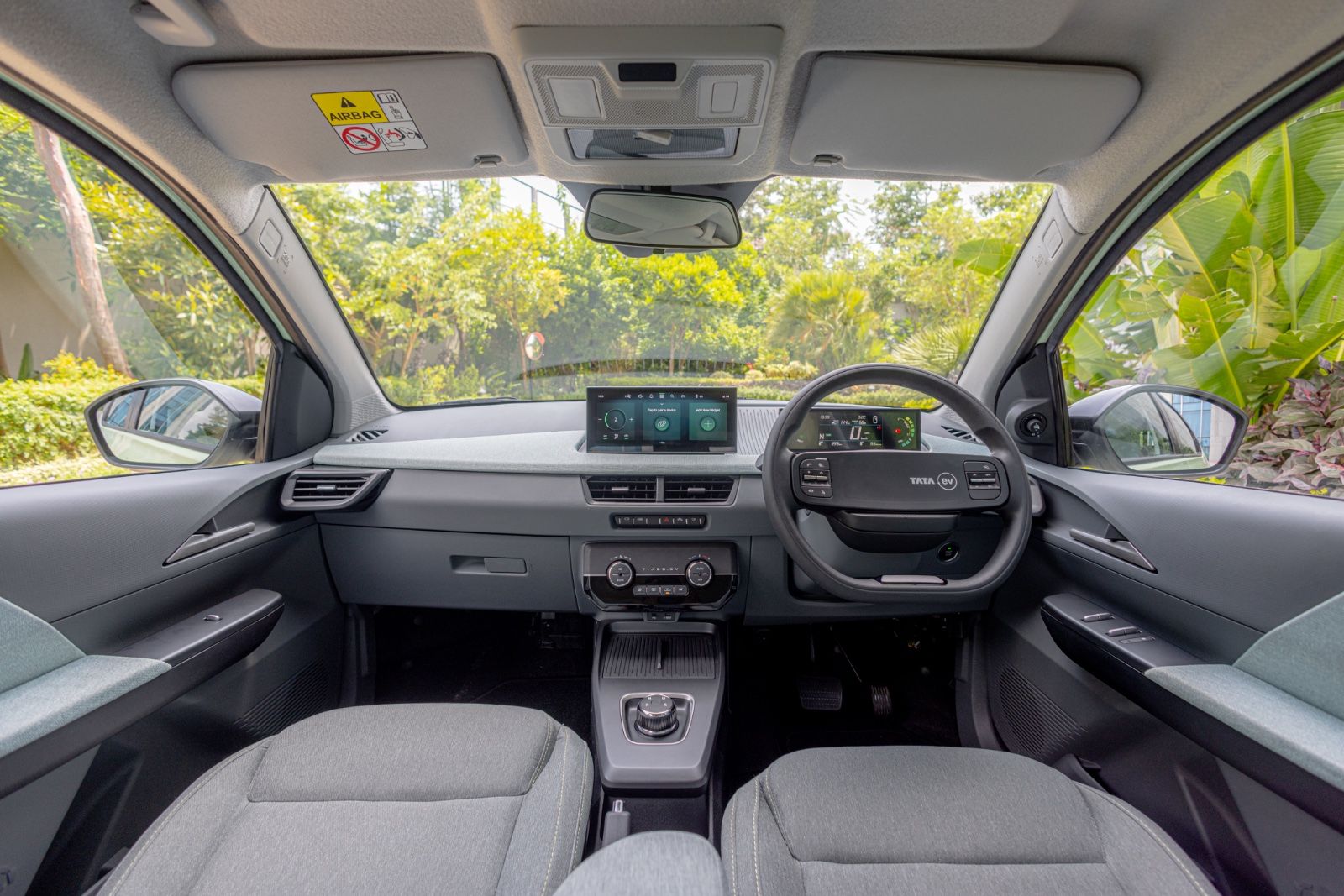
The numbers tell the story of what's changed. The ICE Tiago starts at ₹4.69 lakh and tops out at Rs 8.55 lakh (ex-showroom), running a 1.2-litre naturally aspirated three-cylinder with 86hp and 113Nm, available in petrol and CNG, with a 5-speed manual or AMT. That part is familiar. What isn't familiar, at least not at this price point or in this segment, is a 360-degree camera and blind-spot monitoring as available features. Six airbags across the range. A completely reworked interior with soft-touch materials that genuinely do not feel like they belong in a sub-five-lakh car. The exterior has a flatter nose, a more planted stance, a visual presence that makes it read as a larger car than it is. The Tiago has always punched above its price. The 2026 version punches even harder.
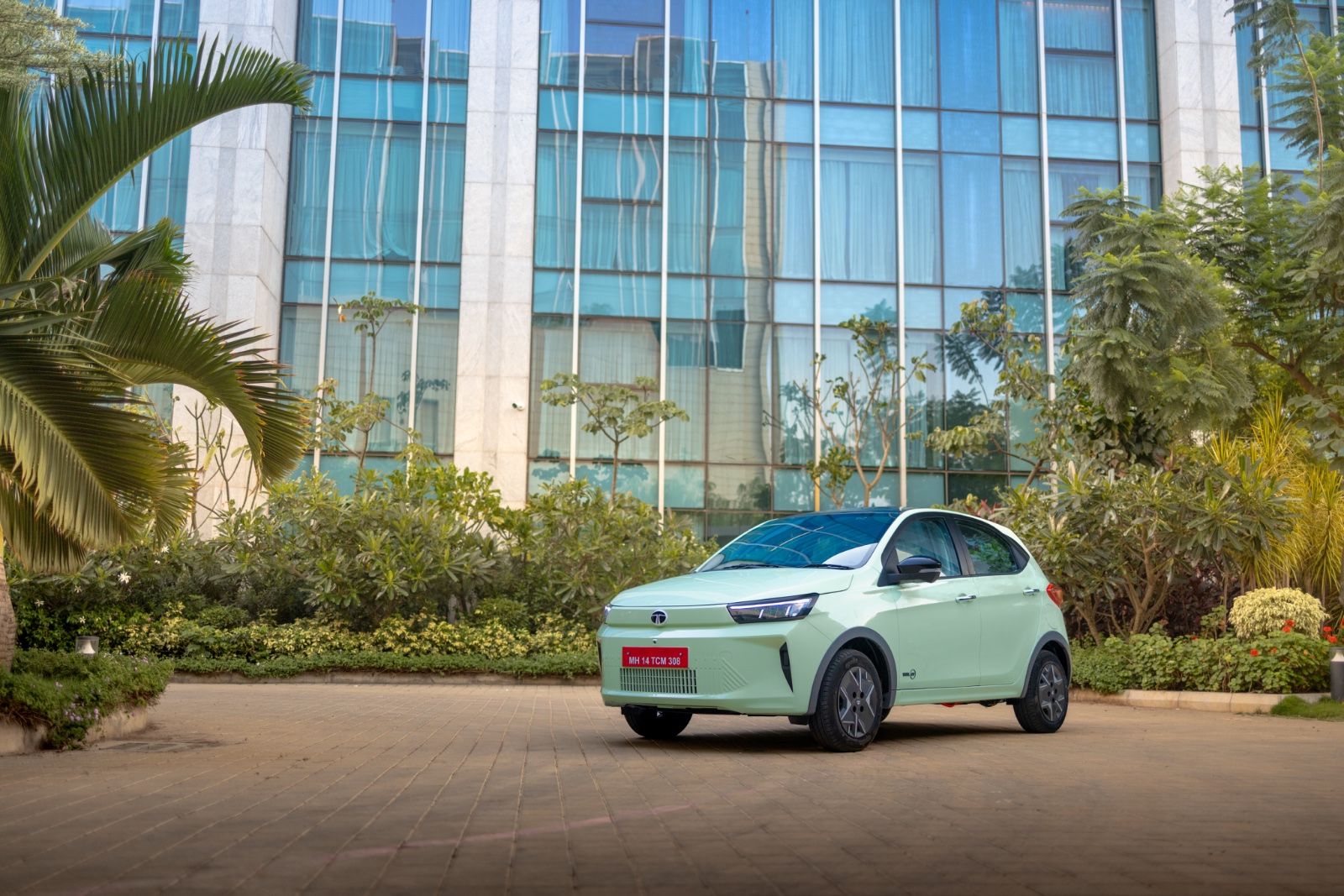
The Tiago EV, meanwhile, starts at Rs 6.99 lakh and goes up to Rs 9.99 lakh (ex-showroom), making it one of the most accessible electric cars in India. Two battery options: a 19.2kWh pack with 61hp and 226km of MIDC range, and a 24kWh pack with 75hp, 114Nm and 285km of range. Good for a real-world range of around 190km on the larger battery, the Tiago EV is a genuinely practical urban commuter. New for 2026: fast charging at up to 30kW, which brings a meaningful top-up into reach for buyers who live without a home wallbox. The same interior upgrades from the ICE carry through here.
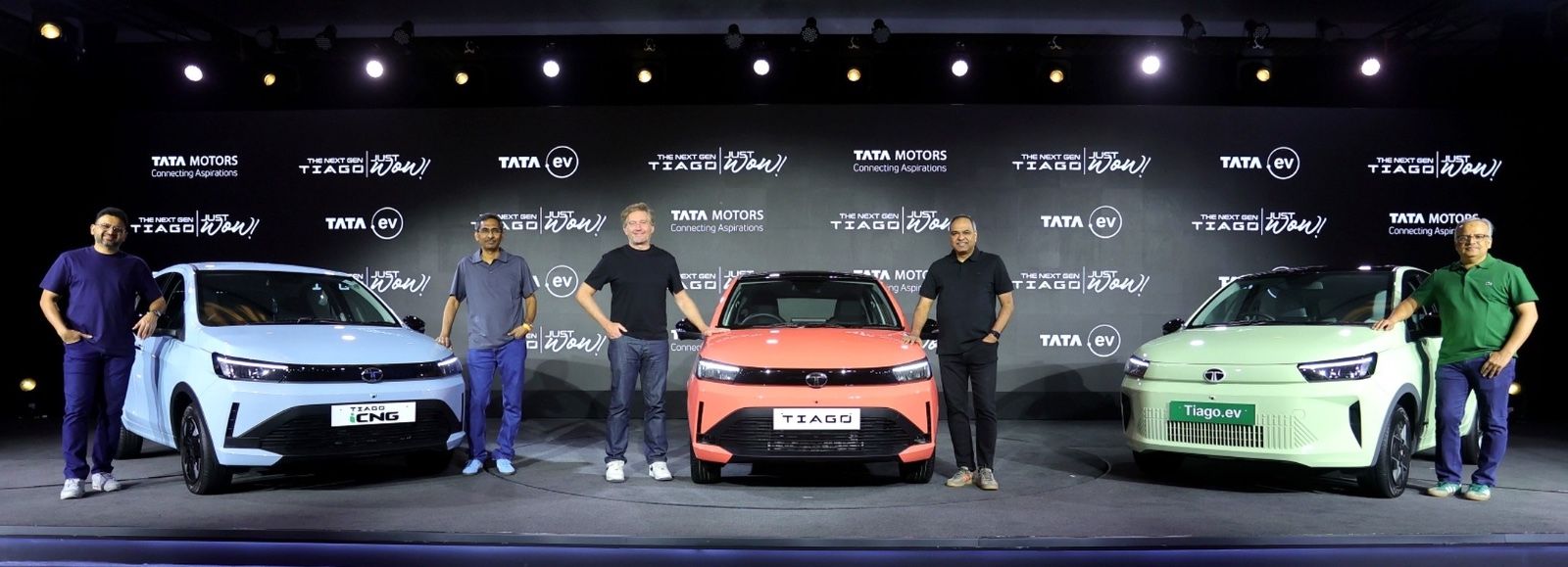
We sat with Martin Ulharik, Tata Motors' Global Head of Design, in Bengaluru on the morning of the drive event to talk about what a decade-old nameplate owes its buyers, why the interior became the priority, and whether the Tiago has a Punch problem.
When you're doing a significant update to something that's been credited with the brand’s turnaround, what do you keep and what do you change?
It has its own legacy at this point. So we asked ourselves: why did the Tiago work? Why was it still selling respectable numbers on a product that was, as you said, quite old? And the answer was that it felt aspirational. Even in its previous version, it had elements that felt upmarket for the segment. For many customers, this is their entry product. Their gateway into our portfolio. Price is a big factor, obviously. But so is practicality, roominess. It's a classic hatchback. So when we were designing the new one, we wanted to keep that aspirational quality. Make it cohesive with the rest of the portfolio, but not pretend it's an SUV when it's a hatchback. The exterior has changed significantly. The geometry is very different. It has a flat nose now. Now it feels like a bigger car, just through proportions. That's value for money — you're getting more car than you thought. But honestly, the biggest change is the interior. We pushed hard on that, and everyone agreed we should completely redo it. That's where the big impression is going to be made.
What does a completely redone interior mean at this price point?
It means everything is soft. It looks upmarket. The screens, the UX, the materials, the features we're offering for the price; whether it's ICE or EV, it's more contemporary than what people are expecting. Even buyers with a limited budget have expectations now. Even when someone says, I'm only going to spend X amount, they still expect things to feel good. That's just where the market is.
Is the process meaningfully different when you're designing a Tiago versus an Altroz or a Punch?
The process is exactly the same. Whether I'm designing a Tiago or an Altroz, a Punch or a Safari. Same gateways, same design reviews. But the discussions are different because the target and the objective are different. The price, the customer, what the car needs to say about the brand. Those conversations shift product to product.
The new Tiago looks like it has elements from segments above. Was the brief to make it not look entry-level?
No. Honestly, I don't need to tell the design team to not make something look cheap. They're usually the ones being held back. On any segment, any price point, they're always pushing to make it as modern and aspirational as possible. That's their instinct. But yes, we wanted it to look more contemporary, more high-tech, because that's what people expect now.
Given everything that's gone in, does it have another decade?
Yes. Easily. We're in 2026. I can see this car into the mid-2030s in terms of life cycle. The last one lasted nearly 12 years. This is a strong foundation for an entry-level product that, as the Indian economy grows, will continue to be a first car in many households and a second car in others. If you make affordable vehicles well, there's always a market. Especially here.
Does the Tiago have a Punch problem?
No. They're so different in character. We didn't try to make the Tiago a crossover or give it SUV aspirations. We didn't want them creeping too close to each other. This is clearly a hatchback. A funky, contemporary, modern hatchback, but a hatchback. There's no confusion between them.
For a first-time buyer who's decided on a Tiago, does the EV make more sense than the ICE right now?
I think the EV will surprise us in sales, honestly. People buying this product are extremely price-sensitive, and the running cost of an EV at this level is going to be a real factor, especially right now, with fuel prices where they are. And there's less anxiety around EVs than there used to be. Early on, the questions were: where do I charge, what if I'm stranded? But people are getting much more comfortable with it. The charging network is improving, the confidence is building. And then there's just the experience. I drive an EV myself alongside an ICE car. And when I'm going to work, I prefer the EV — it's smoother, less stressful, you arrive more relaxed. I'ma petrolhead. I love the gears, the clutch, all of that. But for daily use, the EV is genuinely easier to live with. I think that's registering with buyers now.
Tiago is ten years old and, you said, could go another decade. Could it become a cultural indicator of the Indian society at large?
Possibly. I think we'll know in ten, fifteen, twenty years. The Sierra was a milestone for us — in design, in what the product achieved, what it represented for the brand. For me, that's the twelve o'clock that reset everything. The Tiago is the first post-Sierra car. And I've told the design team that every nameplate has to be treated as a potential icon. Even if it doesn't have the legacy yet, design it like it does. That means a cultural icon, not just a product. So what you're saying is interesting. Ten years in the bank, maybe ten more to go, it has the potential to become one of those totems in the portfolio. Who knows: someone in design twenty years from now might look at the Tiago the way we now look at the Sierra.
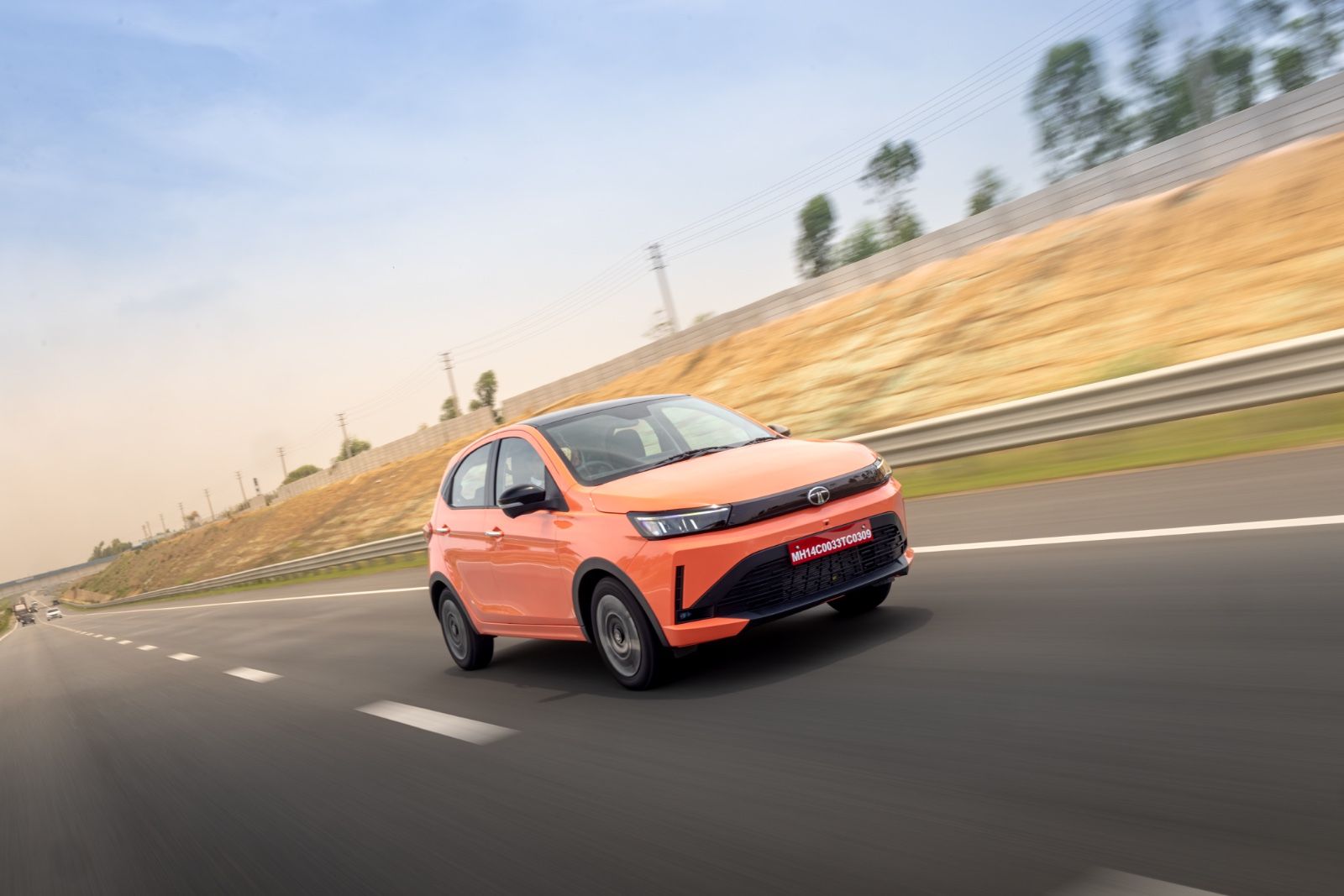
Tata Tiago ICE (2026) | Price: ₹4.69–8.55 lakh (ex-showroom) | Engine: 1.2L NA petrol, 86hp/113Nm | Transmission: 5-speed MT / AMT | Also available: CNG
Tata Tiago EV (2026) | Price: ₹6.99–9.99 lakh (ex-showroom) | Battery: 19.2kWh (226km MIDC) / 24kWh (285km MIDC) | Fast charging: up to 30kW


