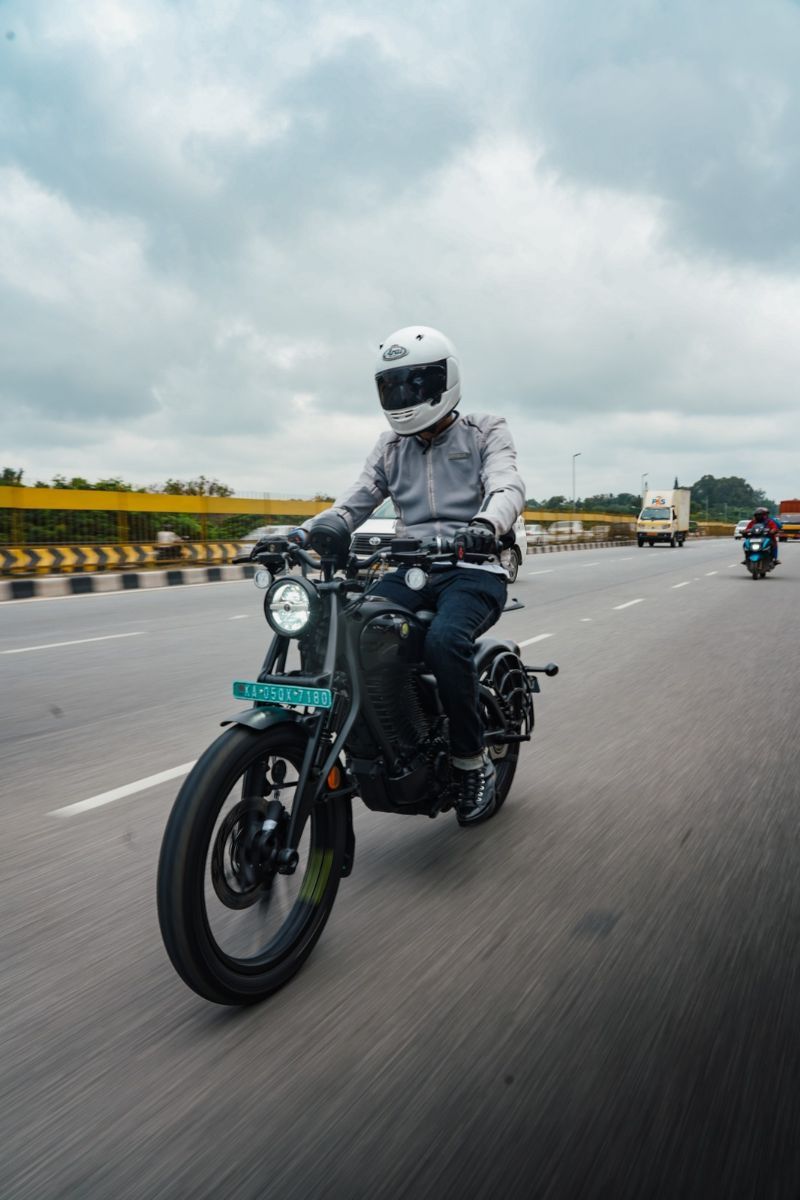
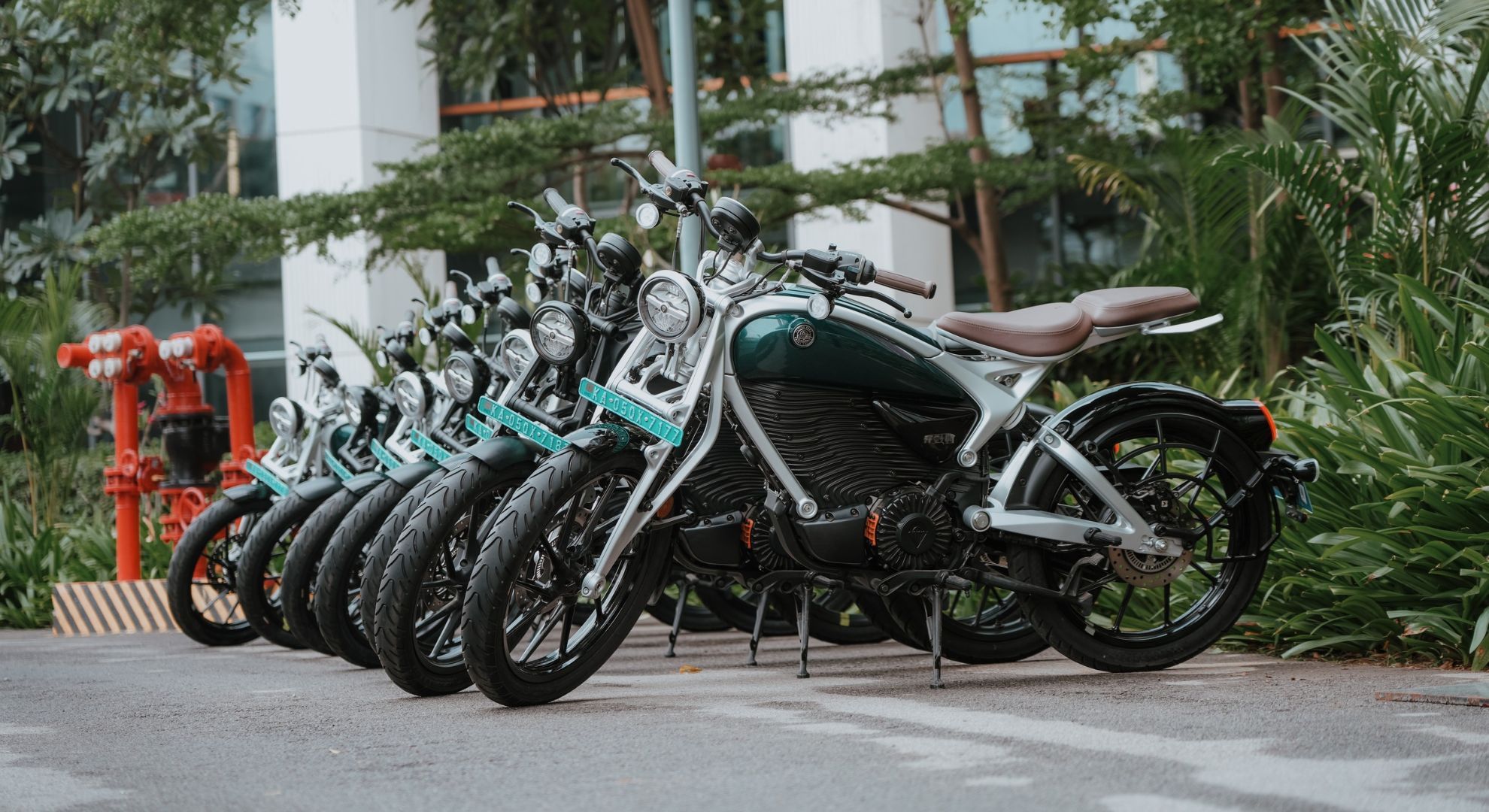
Royal Enfield’s first mass-produced electric motorcycle. That statement alone should spark an entire tree of conversations. The most predictable branch is the discourse about how the Flying Flea C6 is “unlike RE” and the brand is “betraying its roots”, followed by the rest of the greatest hits.
But that’s what happens when you’re a brand driven more by sentiment than performance. Royal Enfield has long been associated with big, bulky, heritage-driven, thumping machines. The big bore, the brotherhood, and lazy engines that see lap time as nap time. There’s a certain romance to it all, even if that romance has historically involved a fair bit of vibration.
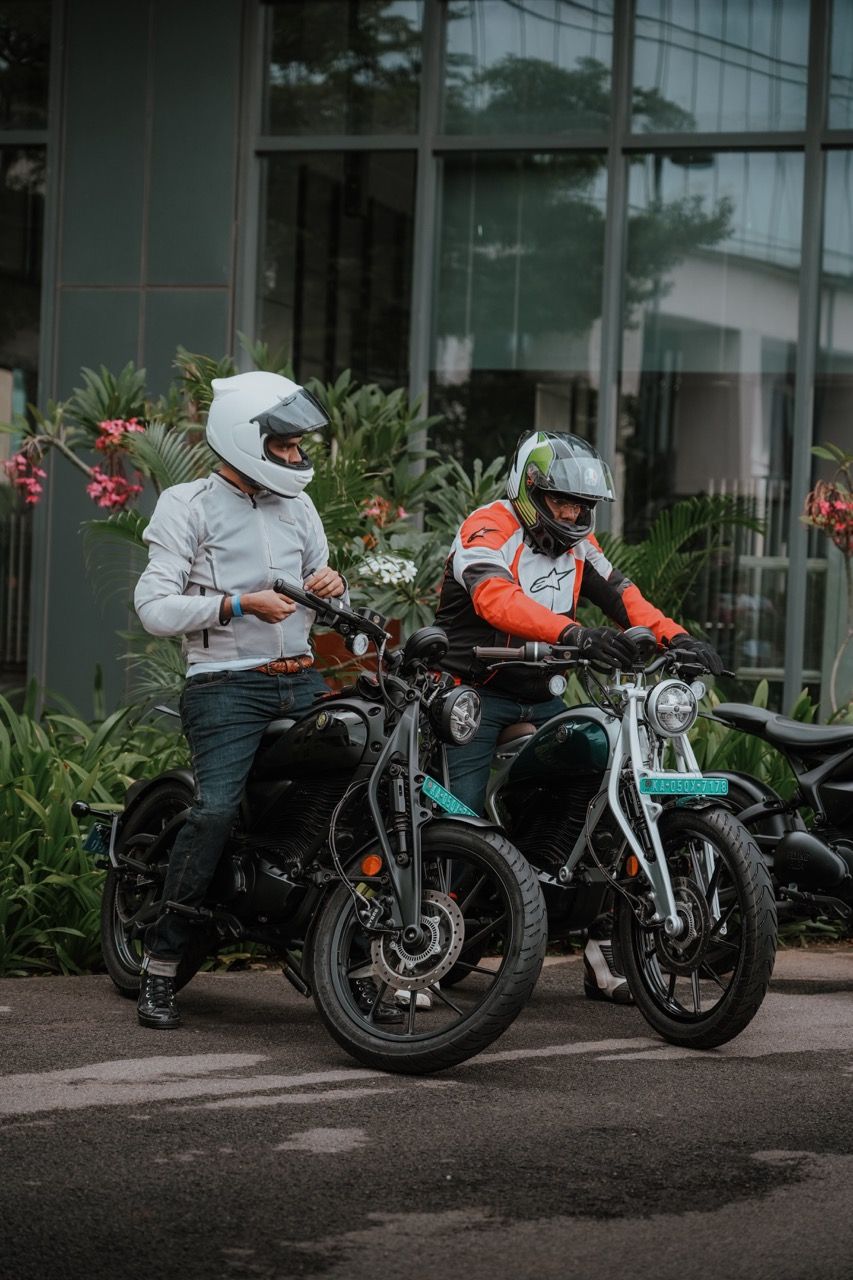
And yet the Flying Flea C6 is doing something bolder than the usual bid for a younger crowd. What happens when a brand that has spent decades selling its past suddenly decides to sell the future? What happens when the nostalgia that built its identity is aimed at people who never had it?
The sentimentalists would have you believe it’s a recipe for disaster. It isn’t. What you get instead is a motorcycle that feels like a series of firsts for a brand that has spent much of its existence celebrating what came before. I spent some time with the Flying Flea C6, and I loved it.
Off The Saddle
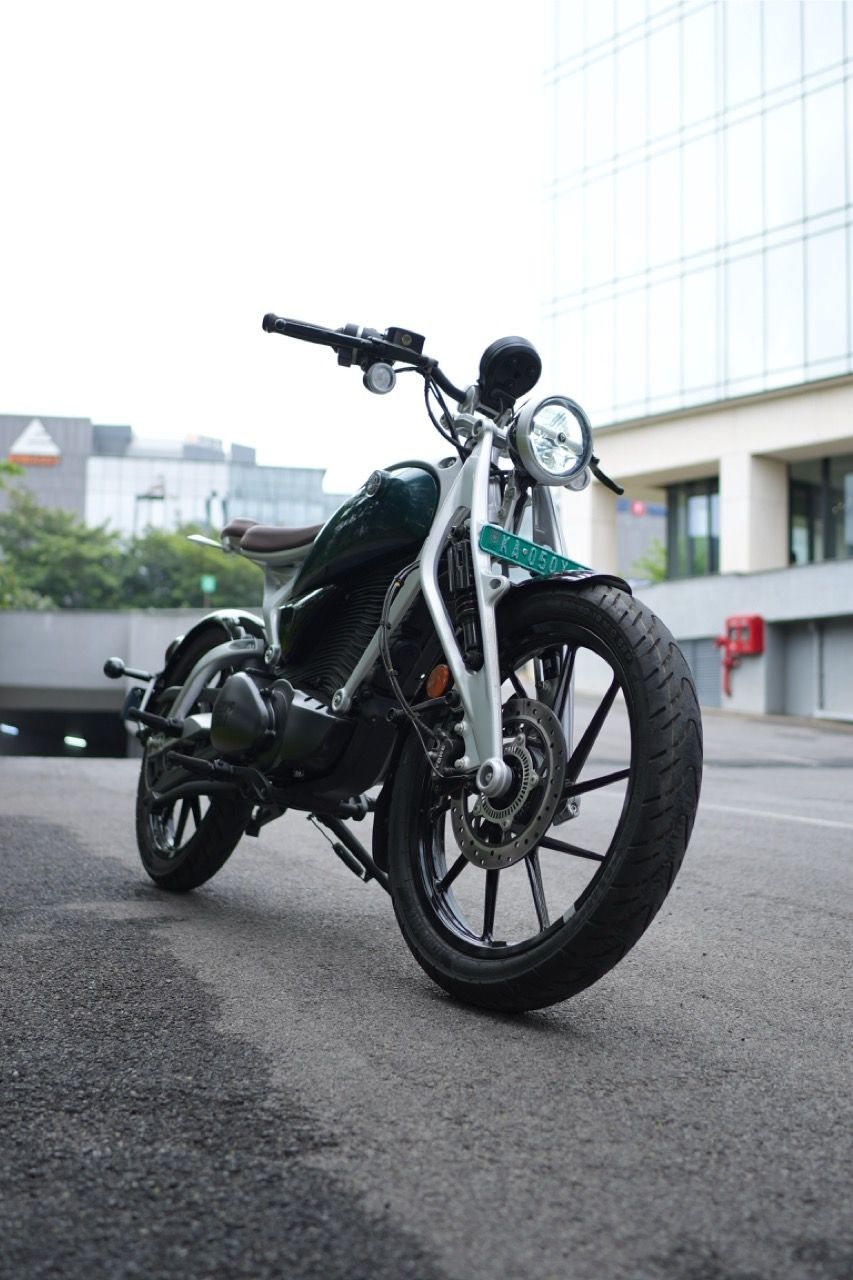
I’ve seen the Flying Flea C6 up close multiple times, and each encounter has left me a little more confused than the last. It looks like one of those concept motorcycles that somehow escaped the confines of a motor show and made it into production. The design is polarising, to say the least. I hated it the first time, tolerated it the second and now, annoyingly, I kinda like it. Guess third time’s the charm. Although, only from certain angles.
The C6 is a strange marriage of the past and the future. The name itself is a callback to Royal Enfield’s original Flying Flea from the 1940s, a tiny 125cc motorcycle light enough to be parachuted into battlefields during the Second World War. So, in a peculiar way, Royal Enfield’s most futuristic motorcycle is also one of its more faithful exercises in nostalgia.
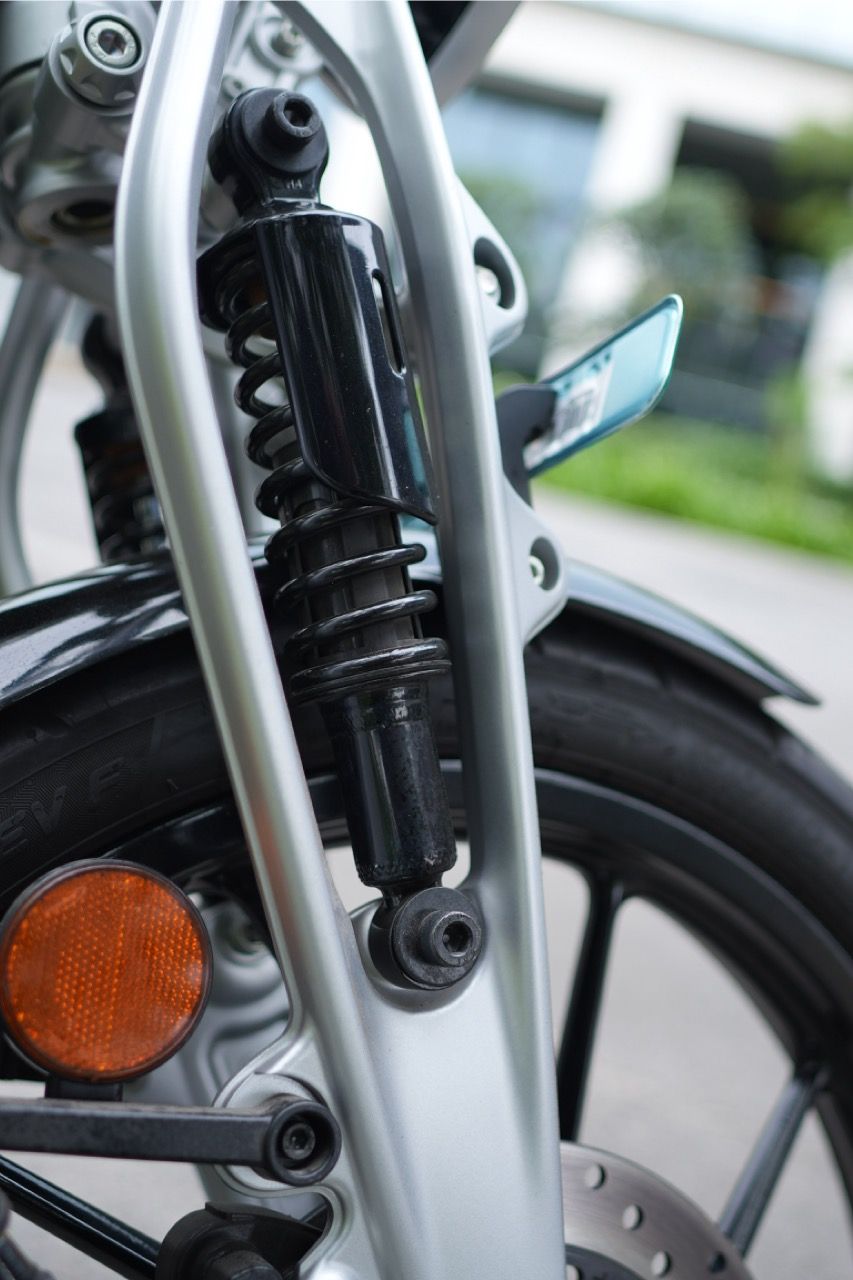
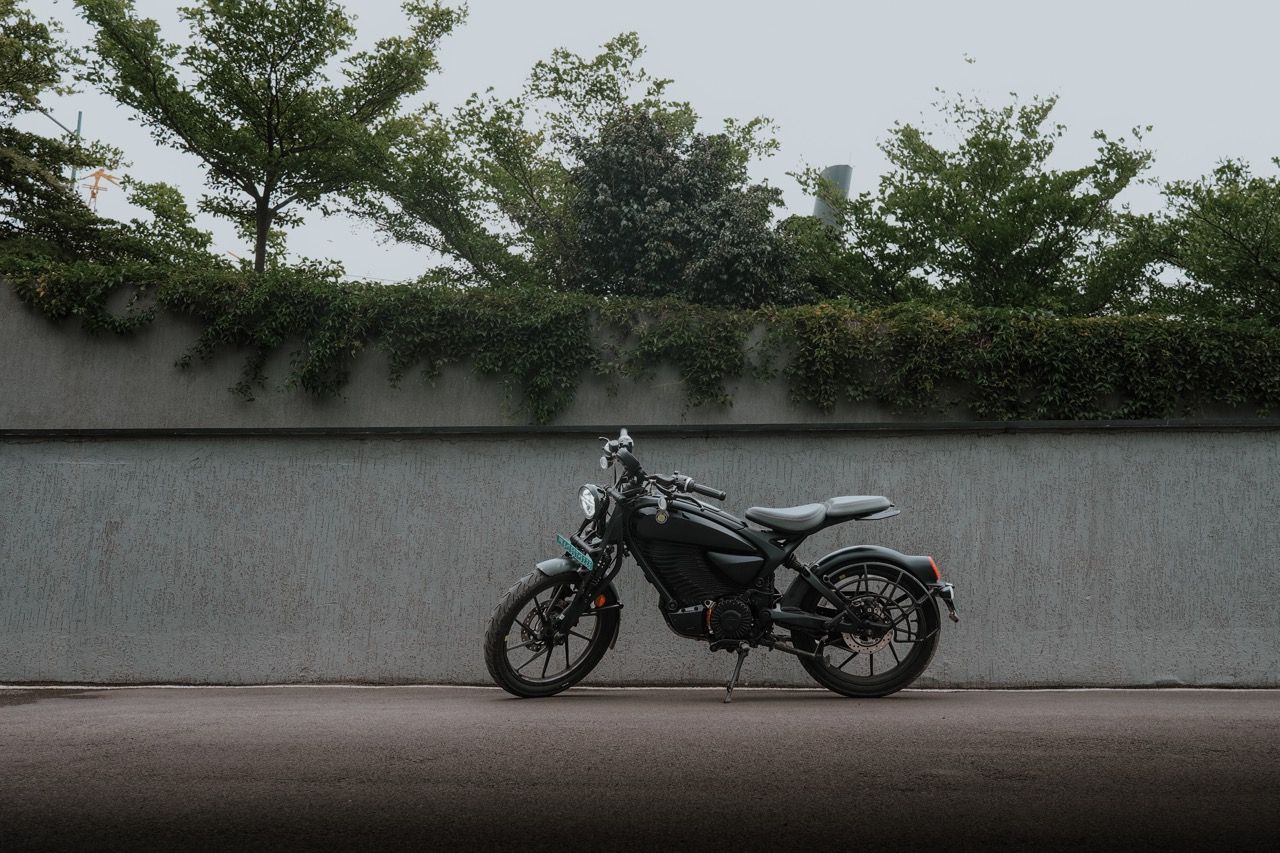
And the engineering reflects that. There’s a girder fork (more on that later) that looks like it belongs to another century, except it’s made from forged aluminium. There’s a 3.91kWh battery pack housed in a magnesium-alloy casing, protected by a forged-aluminium exoskeleton chassis. That’s a fairly sophisticated bit of engineering for a motorcycle whose ancestors were famous for being relatively uncomplicated machines. There’s no gear lever or foot-operated rear brake, with the latter’s duties now handled by a lever on the left handlebar. At just 124kg, it’s the lightest motorcycle in Royal Enfield’s current line-up. Then there’s an IMU, lean-sensitive ABS and traction control: all three firsts for the brand. Add the electric powertrain itself and that’s a lot of firsts for one motorcycle.
See a pattern emerging? Almost every engineering decision here seems to revolve around one idea. Make it lighter, slimmer and less intimidating. It’s a bold approach, considering most electric motorcycles tend to get heavier as their battery capacities grow. Royal Enfield, instead, has chosen to work around those limitations by shedding weight wherever possible.
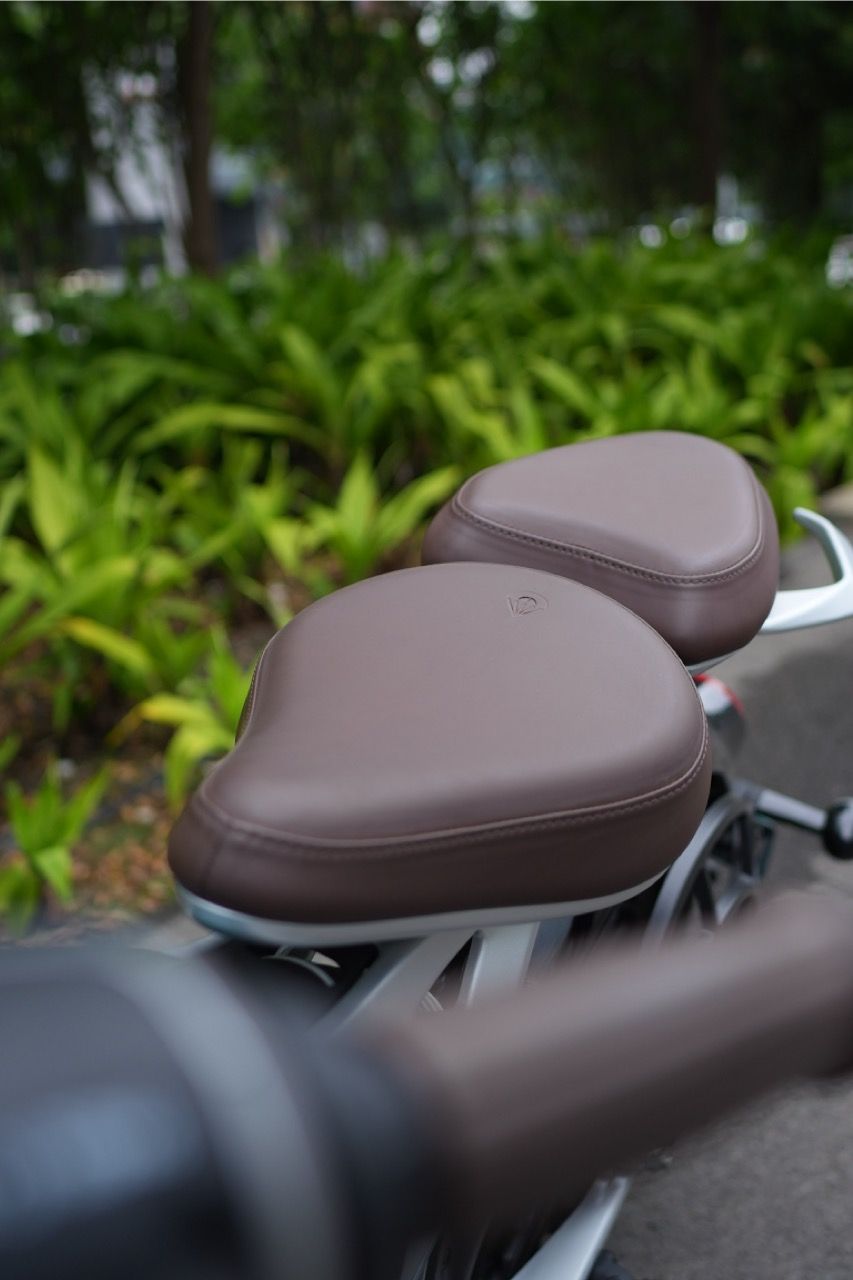
The result is a design that a creative director might put on a moodboard, while a hardened motorcyclist might meet it with a raised eyebrow. And I can see why.
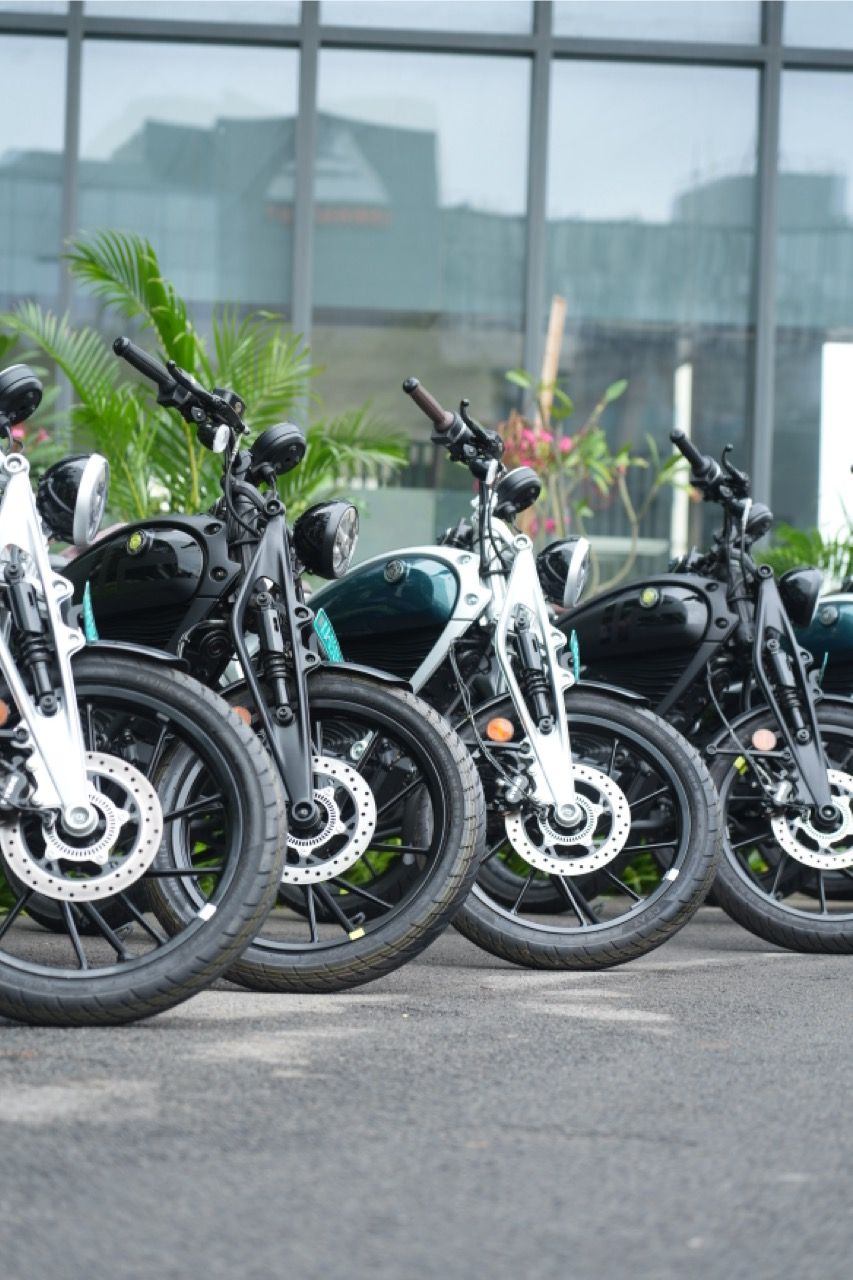
From the front, the C6 is striking. The exposed girder fork, the unusual proportions and the almost skeletal construction give it a character unlike anything else on the road. Look closely and you’ll be hard-pressed to spot a single visible weld. Almost everything appears to be bolted together, which, for a Royal Enfield, feels almost rebellious.
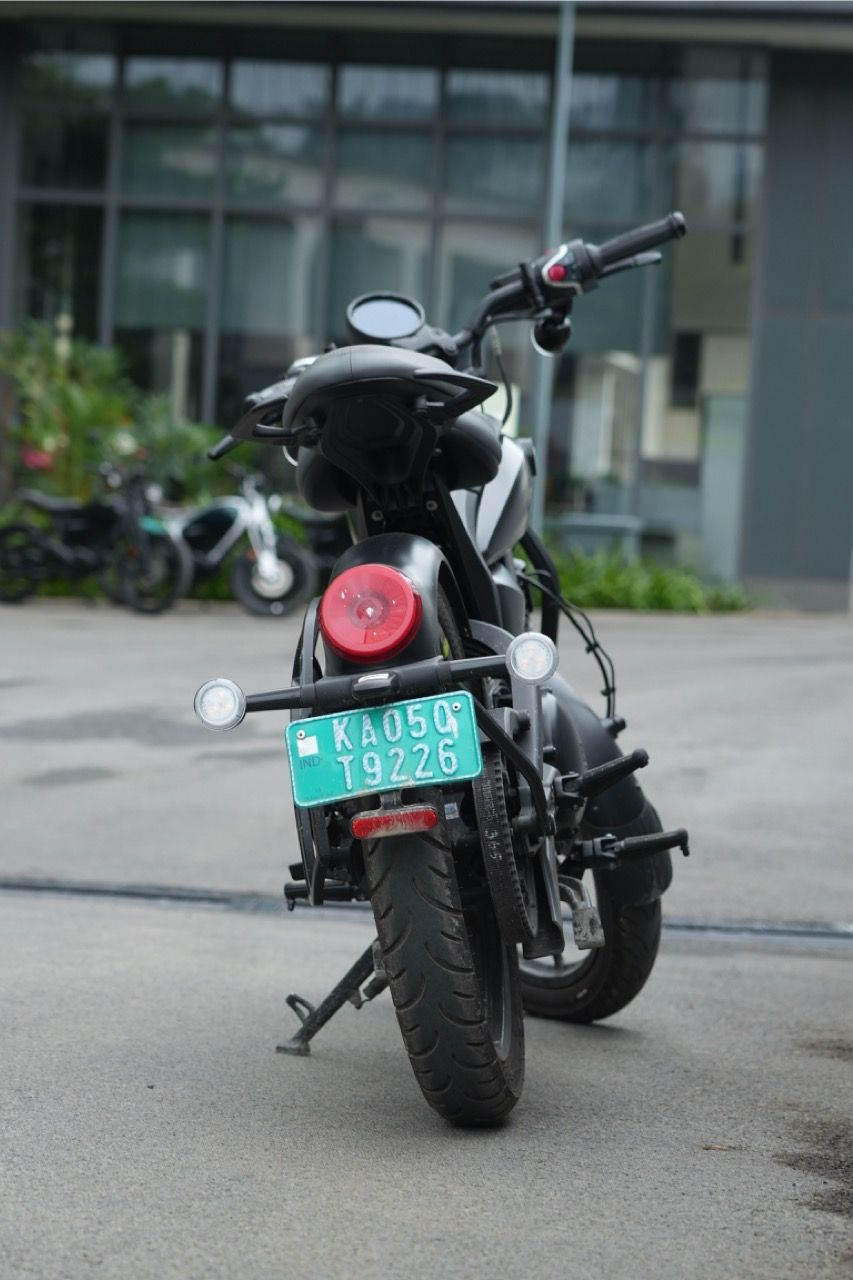
From the rear, though, it’s a different story. Despite the old-school motorcycle elements, it looks suspiciously like a slightly chunky moped. I’m not a huge fan. I wish there were a little more visual heft back there, something to make it feel more substantial. But then again, adding bulk to a motorcycle whose entire philosophy revolves around shedding it would defeat the purpose, wouldn’t it?
There’s also a fondness for making simple things unnecessarily complicated. Take the starting procedure, for instance. There’s no physical key. Instead, you can unlock the motorcycle through your phone or enter a PIN, switch on the motor and hold both brake levers before you can get moving. The problem? From the moment the boot-up animation begins to the moment you’re actually ready to ride, it takes around 30 seconds. I counted. That’s half a minute to do something a conventional key accomplishes in a fraction of the time. Was there really anything wrong with just turning a key and riding off? Apparently.
Then there’s the storage compartment where the fuel tank would ordinarily be. It’s a neat little space that comfortably accommodates my iPhone 18 Pro Max and even charges it wirelessly. Lovely, except there’s a catch. If you’re using an iPhone, you can’t lock the screen while using the motorcycle’s full-map navigation, because the digital instrument cluster relies on mirroring Google Maps from your phone. To be fair, some of this comes down to the limitations of iOS screen mirroring rather than Royal Enfield’s engineering. But that doesn’t make it any less annoying.
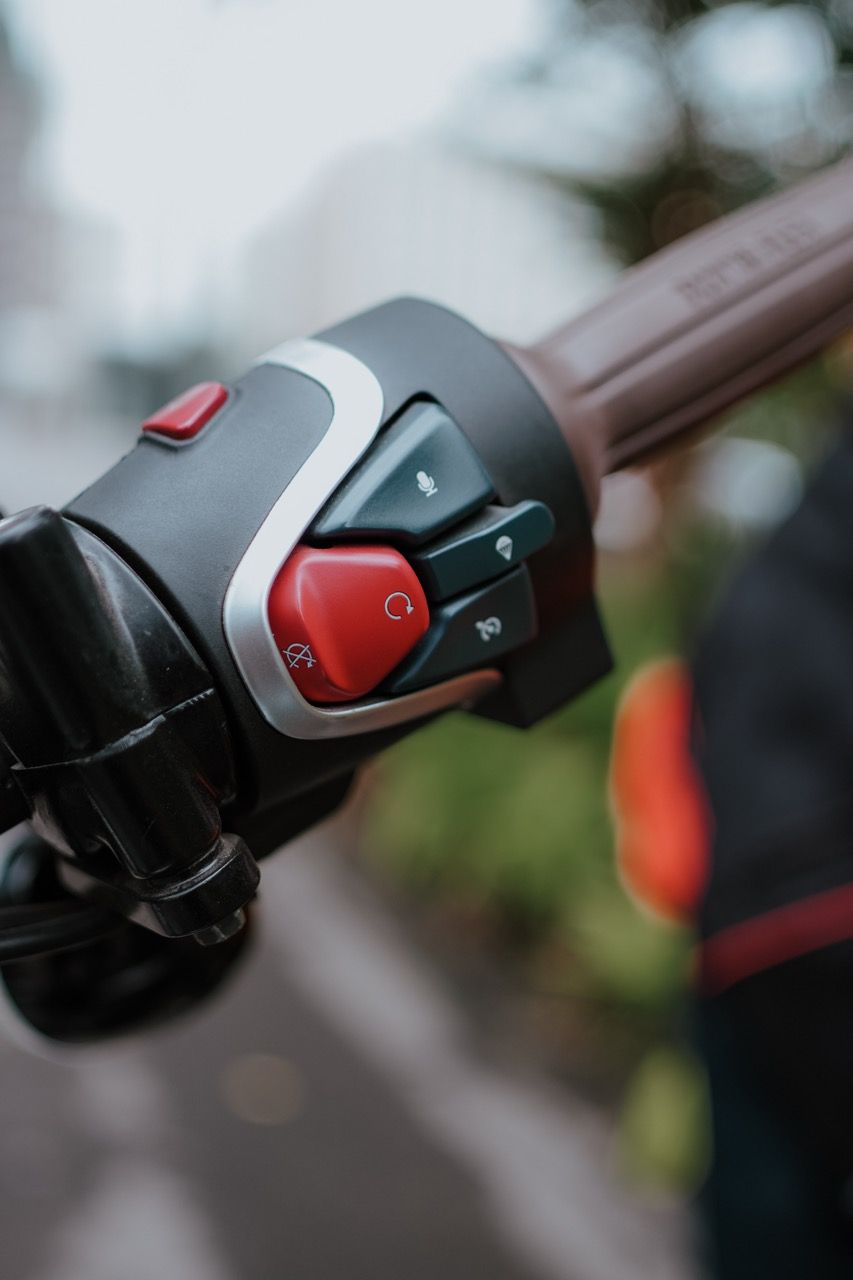
And finally, there’s the charging port. Accessing it involves an electronic release, operated through the amusing parachute-marked shortcut button or the touchscreen. Except, on a few occasions, particularly just after starting the motorcycle, the flap simply refused to cooperate. Whether that’s a software glitch or an issue with the particular motorcycle I rode, I couldn’t tell you. But it did make something as simple as plugging in a charging cable feel unnecessarily complicated.
Again, why couldn’t I just have a physical latch?
On The Saddle
There are five riding modes here: Rain, City, Highway, Sport and Custom. The latter gives you a tremendous amount of freedom to tinker with the motorcycle’s behaviour, including power delivery, throttle response, traction control, ABS and even separate levels of regenerative braking for coasting and braking. That’s an almost absurd amount of customisation for what is essentially an urban commuter.
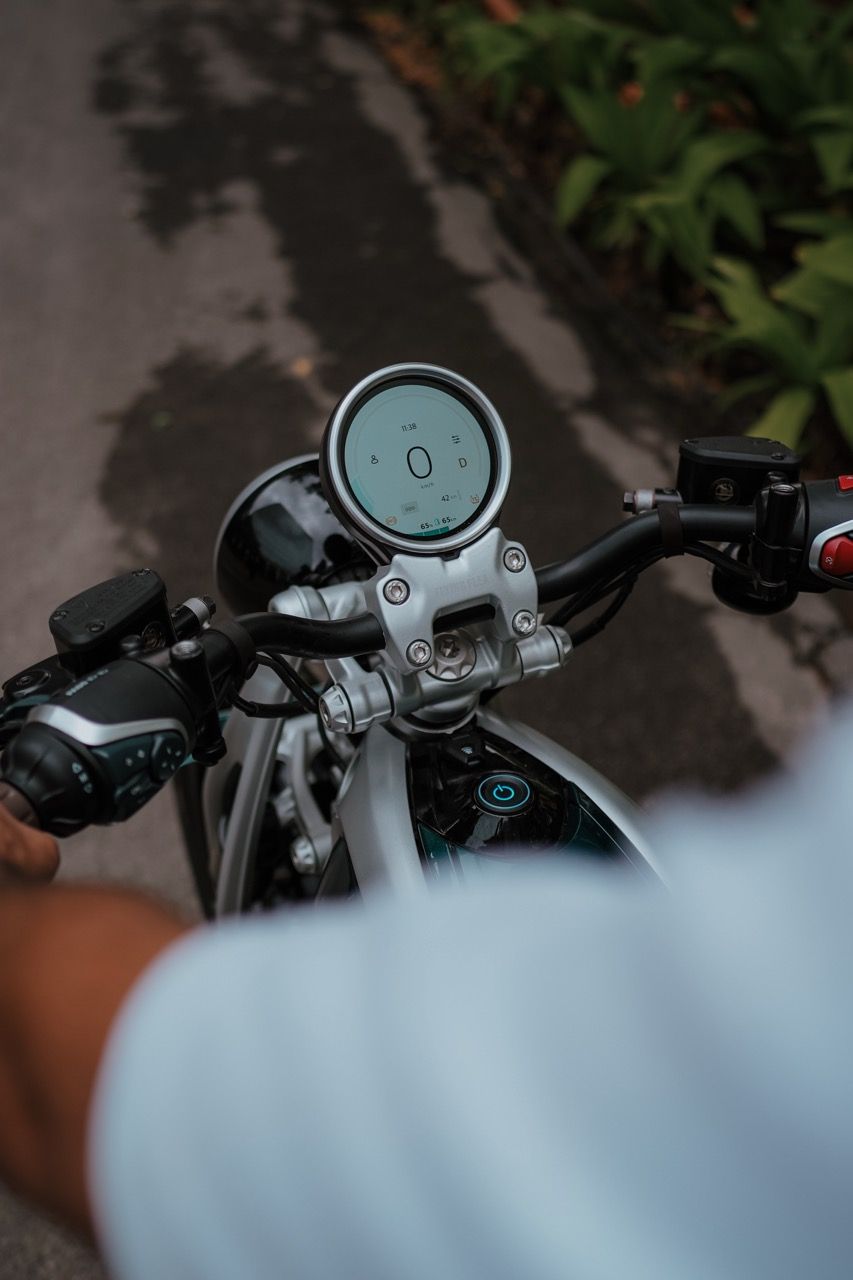
Then again, 10am Bengaluru traffic hardly seemed like the place to experiment with all of that, so I started with the humble City mode. And boy, does it deliver a tasty dose of torque right from the get-go. There’s 60Nm of it on tap, and while that number might not sound particularly extraordinary on paper, the instant delivery makes the C6 feel properly enthusiastic about getting a move on.
The first thing you notice, though, is just how nimble the C6 feels. Light, yes, but not floaty. There’s a certain density to it, the good kind that makes a motorcycle feel substantial without being cumbersome. And I like that.
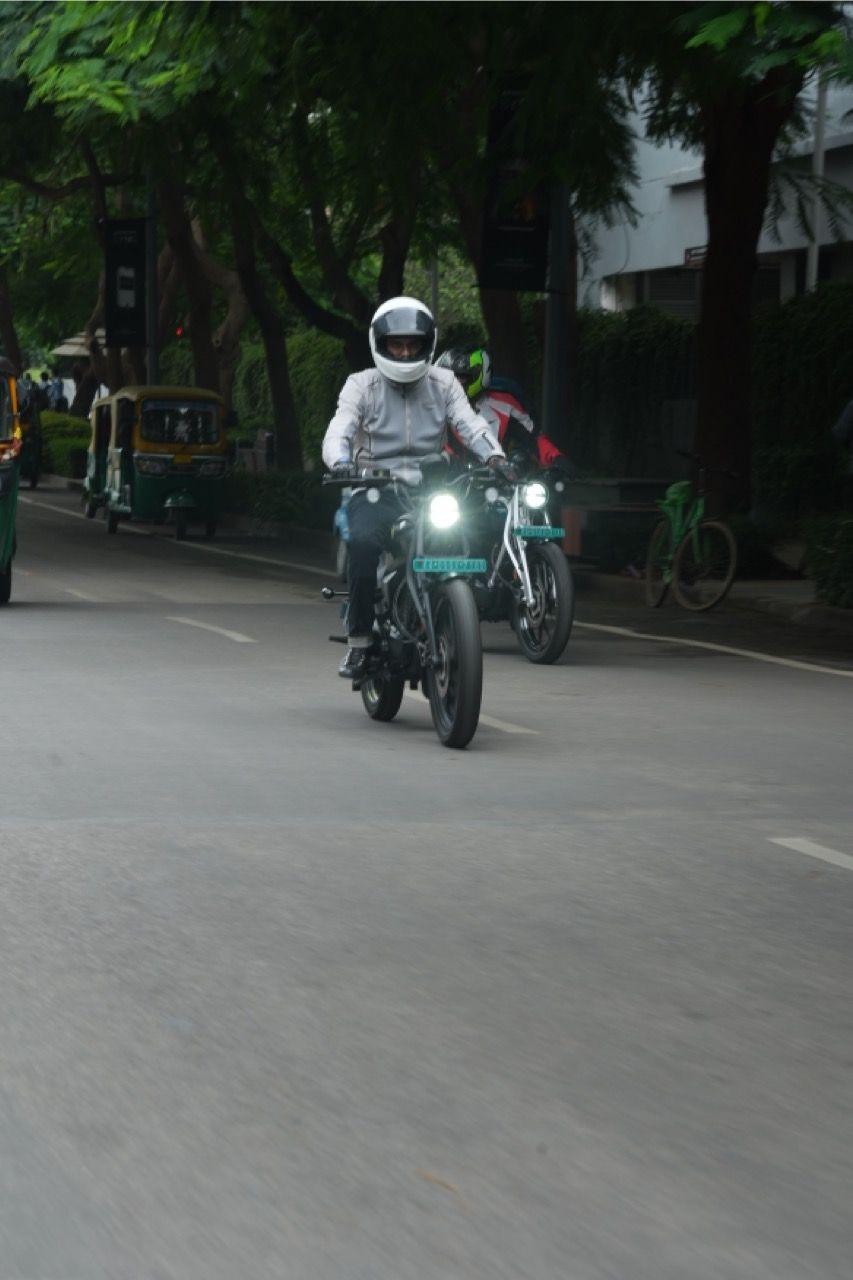
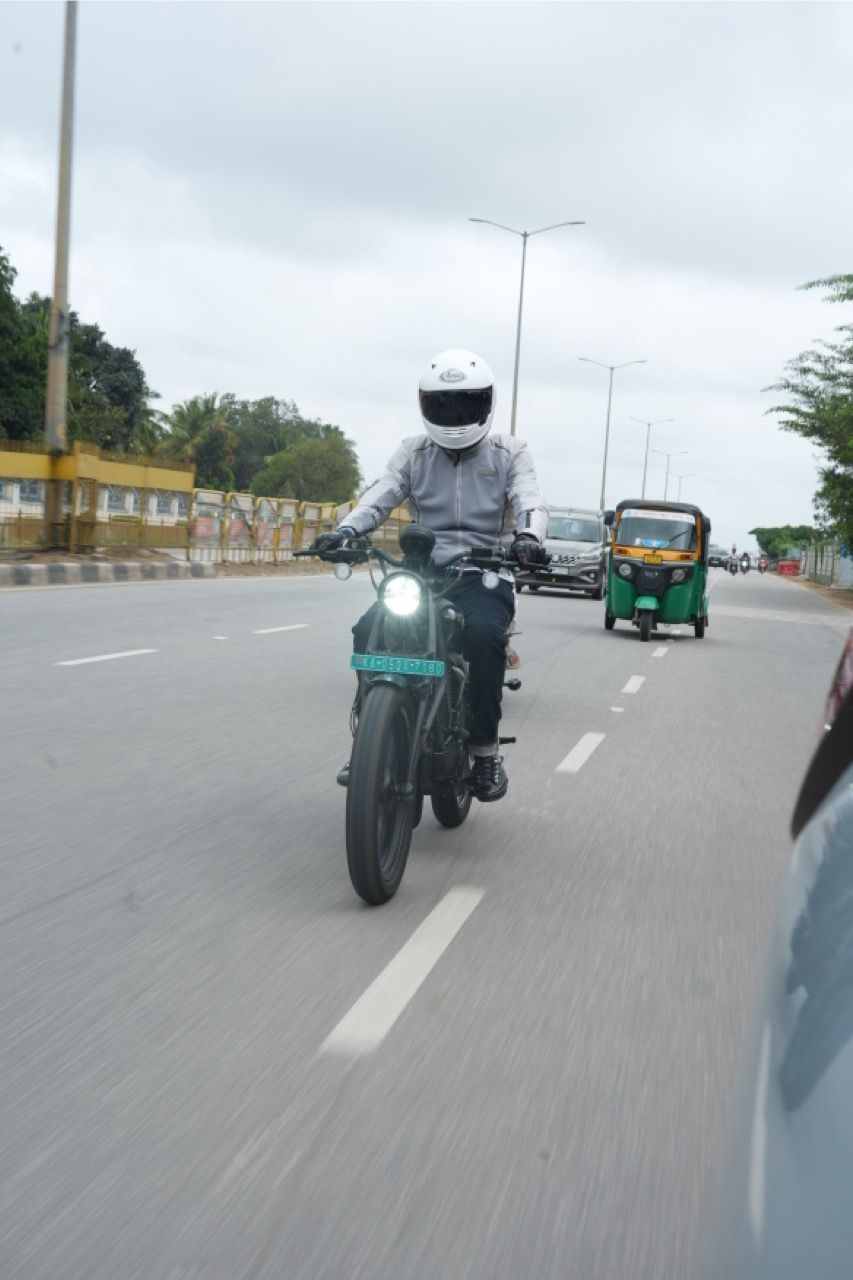
But the real star here is the chassis. It’s tremendous. I was filtering through Bengaluru’s notorious rush-hour traffic like a hot knife through butter, with a level of confidence I wasn’t expecting. It changes direction almost telepathically, slips into gaps you’d otherwise think twice about and generally makes navigating the urban chaos feel almost unfairly easy.
Part of this comes down to the low weight, the slim proportions and the narrow 19-inch wheels. But unlike some lightweight machines that lose their composure the moment you ask a little more of them, the C6 stays reassuringly planted.
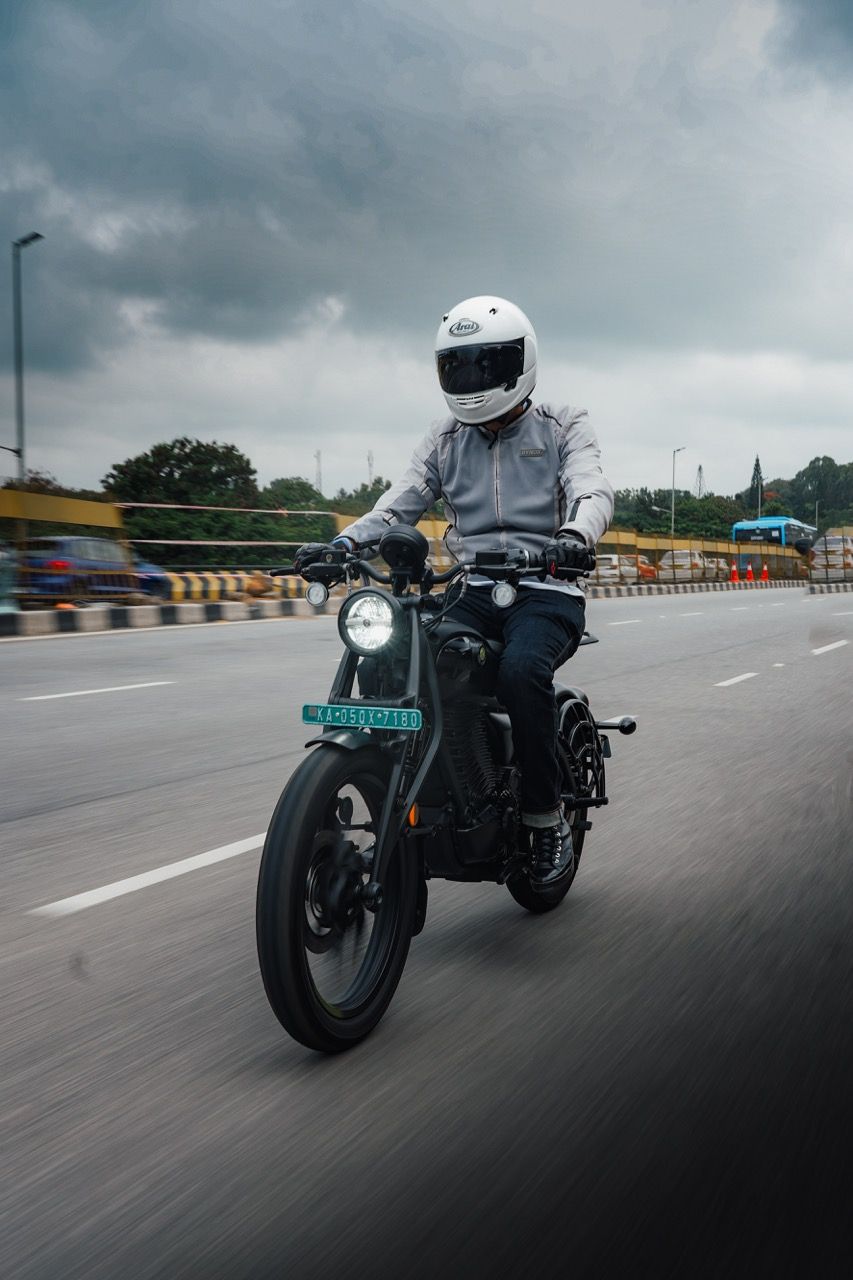
For the first time in my life, I actually had fun commuting through traffic. The Flying Flea C6 made me love Bengaluru traffic, and frankly, that might be a bigger engineering achievement than anything else Royal Enfield has managed here.
There are a few niggles, though.
While riding in City mode, I switched to Sport with the throttle still open, using this brilliantly intuitive little rotary control on the left handlebar. The C6 responded with a sudden surge of acceleration, gaining a few kilometres per hour almost instantly. Now, I found it quite entertaining, but I can imagine it catching someone off guard. To be fair, Royal Enfield recommends switching modes with the throttle closed, which I clearly wasn’t doing. Still, it was a vivid reminder of just how dramatically the character of an electric motorcycle can change with a different throttle map.
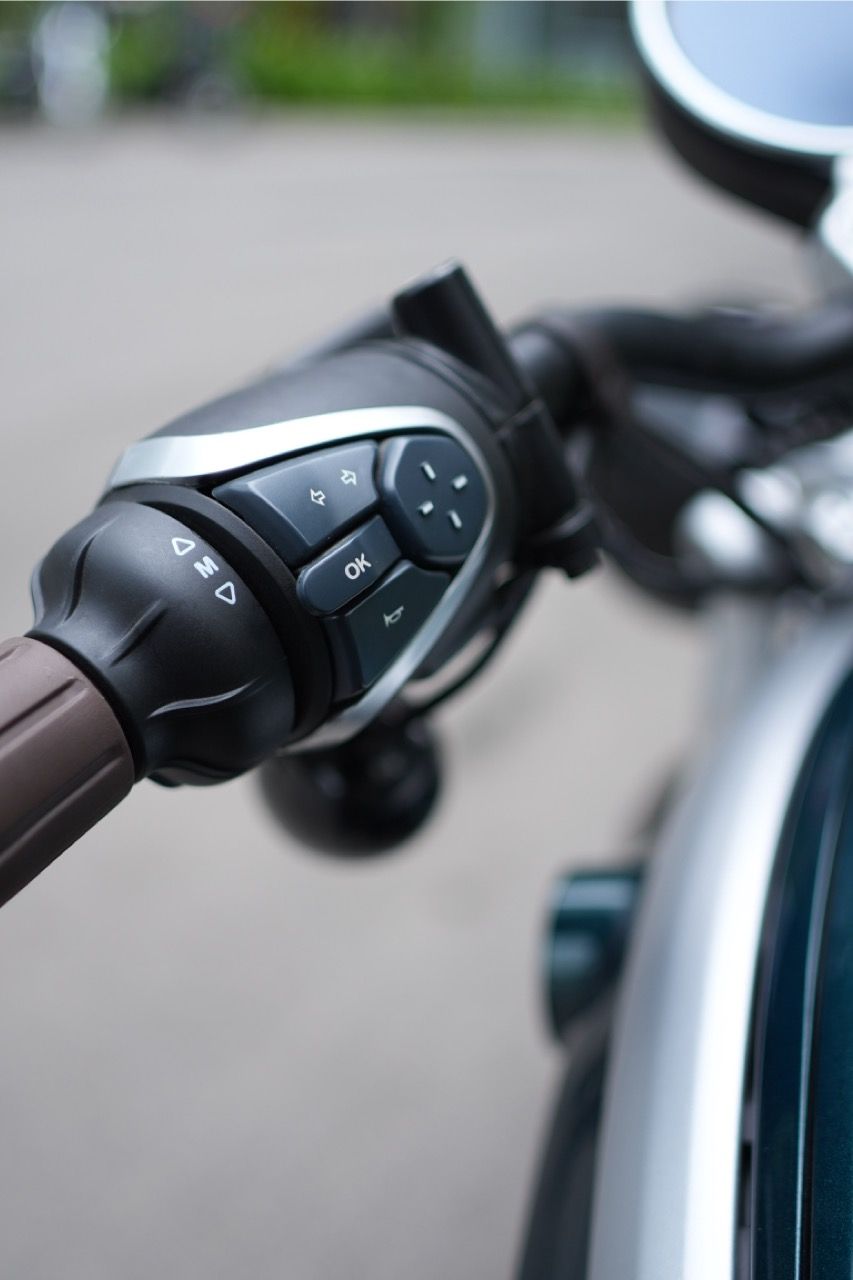
Then there’s the indicator switch, which I absolutely hated. For starters, it’s quite a reach. But the bigger problem is that, seemingly in the name of design, there’s barely any tactile distinction between the left and right indicator controls. No meaningful separation, no texture to help your thumb figure out which is which. So, more often than not, whenever I tried to cancel an indicator, I ended up activating the other one. This happened repeatedly, and it got annoying fast. Sometimes, a little less design wouldn’t hurt.
The rear brake, meanwhile, felt a touch too eager for my liking. There’s more initial bite than I expected, and on a few occasions, I could feel the ABS stepping in. Part of that sensation could be down to how the regenerative braking interacts with the conventional brakes. Whatever the explanation, I’d have preferred a slightly more progressive response, particularly at lower speeds.
And finally, the girder fork. Ah, the girder fork. I remember braking from a higher speed behind my tracking car, with these exact thoughts running through my head. Stopping now? Nope. Now? Nope. Now? Nope. Oh, fuck. Now? Yes, finally.
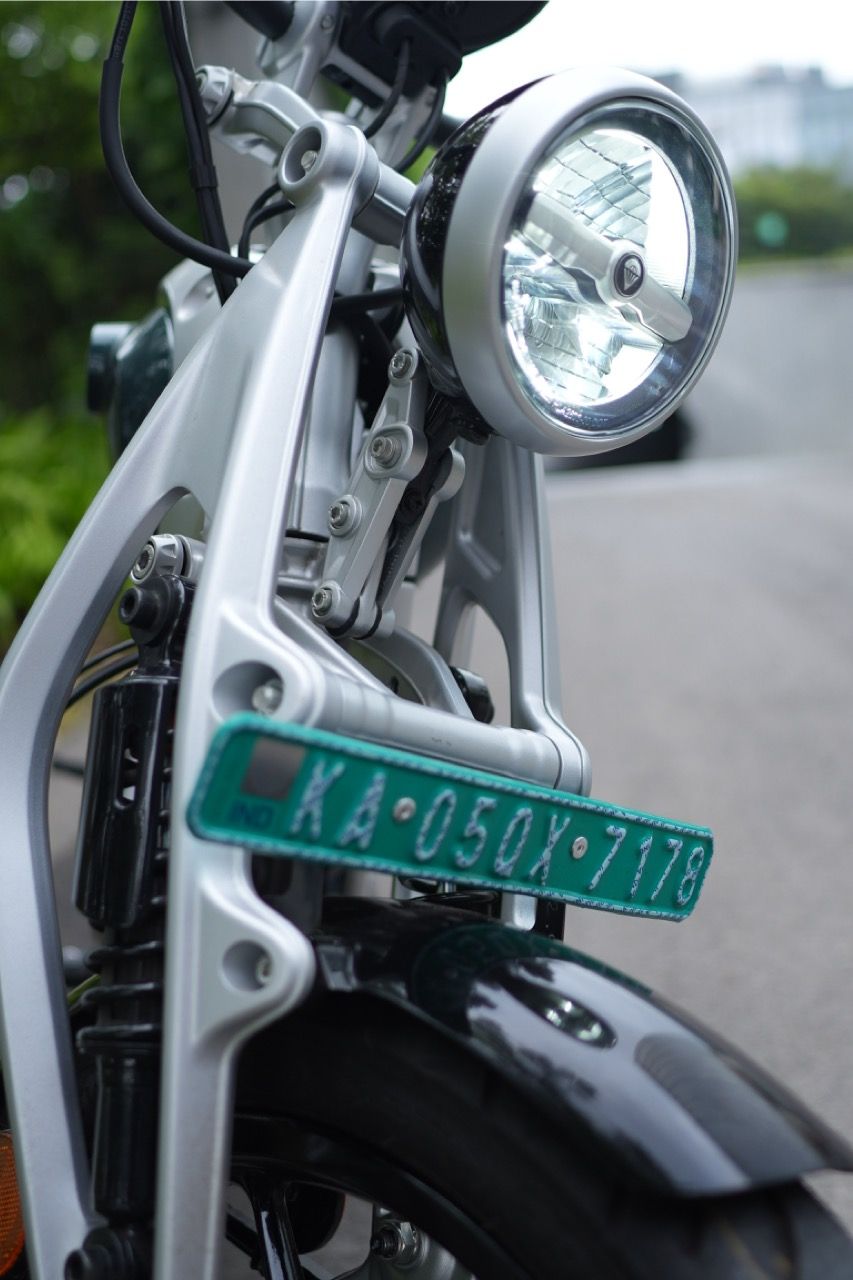
On a conventional motorcycle with telescopic forks, braking causes the front suspension to compress, resulting in that familiar nose dive. It’s a physical cue that tells you the motorcycle is slowing down, something you’ve probably grown so accustomed to that you don’t even consciously register it anymore.
The C6’s girder fork behaves differently. Its linkage geometry reduces the amount of front-end dive under braking, so you don’t get quite the same sensation of weight transferring towards the front wheel. The motorcycle is slowing down, but your body isn’t receiving the familiar feedback it’s expecting. It’s an odd sensation, almost as though your perception of deceleration is lagging behind the actual braking.
The good news? You get used to it fairly quickly. Once your brain recalibrates, the girder setup starts making a lot more sense. It keeps the front end relatively composed, and the motorcycle remains reassuringly stable when you’re slowing down. It’s definitely not a dealbreaker, just one of those peculiarities that makes the C6 feel different from pretty much everything else I’ve ridden.
Now, the range.
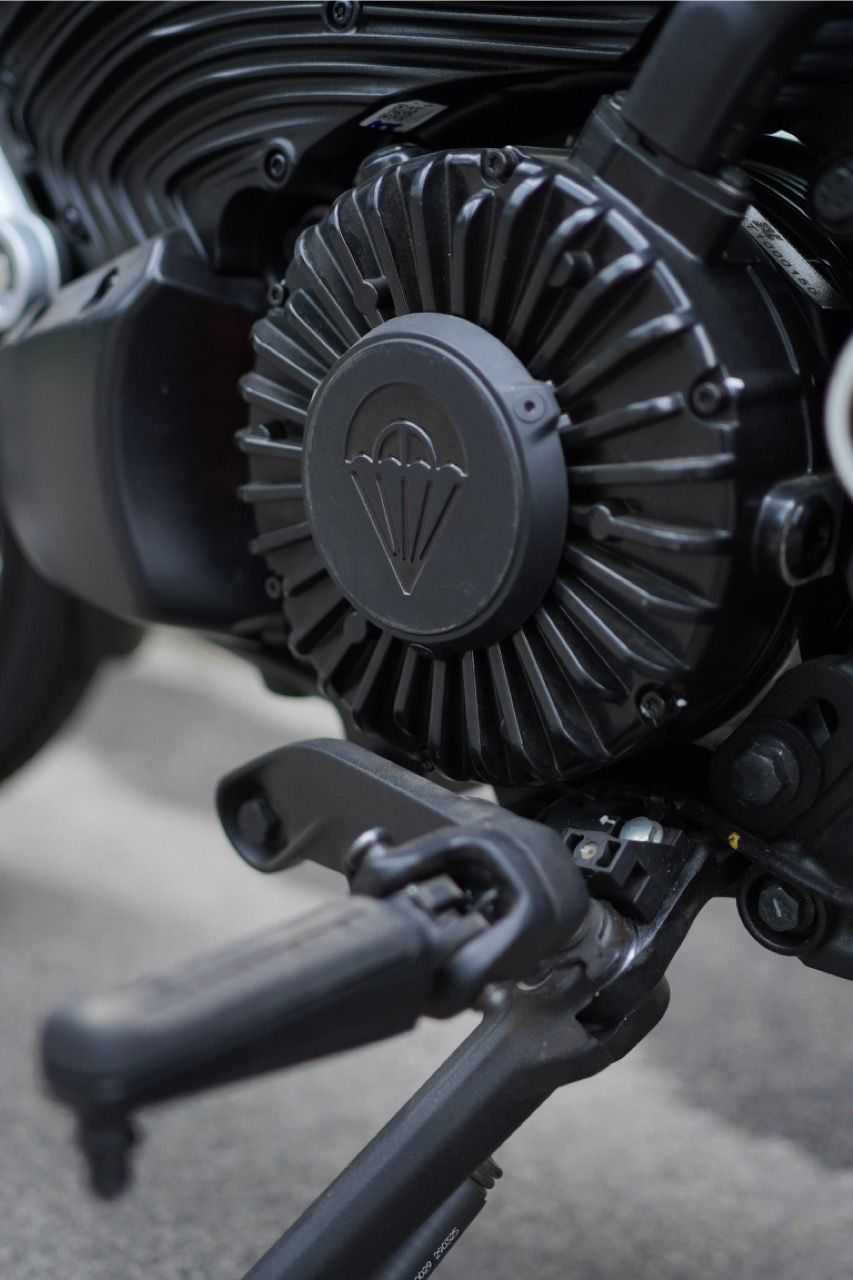
On paper, the C6 claims 154km on a full charge, although that’s an Indian Driving Cycle figure. In the real world, somewhere around 100 to 110km is a more reasonable expectation if you’re riding sensibly, with aggressive riding likely to bring that number down considerably.
For an urban commuter, that’s not particularly disastrous. Depending on how far you travel every day, you might need to charge it every alternate day. Think of it like a phone: no drama, until the one night you forget.
And Royal Enfield has made that part relatively convenient. The C6 comes with a 2kW on-board charger, which means you don’t have to lug around a separate charging brick. Find a regular 16A socket, plug it in and you’re sorted. Royal Enfield claims a charging rate equivalent to roughly a kilometre of range every minute, with a 20 to 80 per cent top-up taking around 65 minutes under specified conditions. A full charge takes a claimed two hours and 16 minutes.
Those aren’t revolutionary numbers, but they’re perfectly workable for a motorcycle designed primarily around the city. The bigger limitation is what happens when you want to venture beyond it. At around 100km of realistic range, longer journeys will demand considerably more planning than a conventional Royal Enfield.
Why Does It Exist?
I remember speaking to Mario Alvisi, the former Chief Growth Officer of Royal Enfield’s EV business, whose career includes stints at Alfa Romeo and Abarth, along with helping bring the Ducati Scrambler family to life. He spoke about how part of Flying Flea’s intention was to bring people who had never considered motorcycling into the fold.
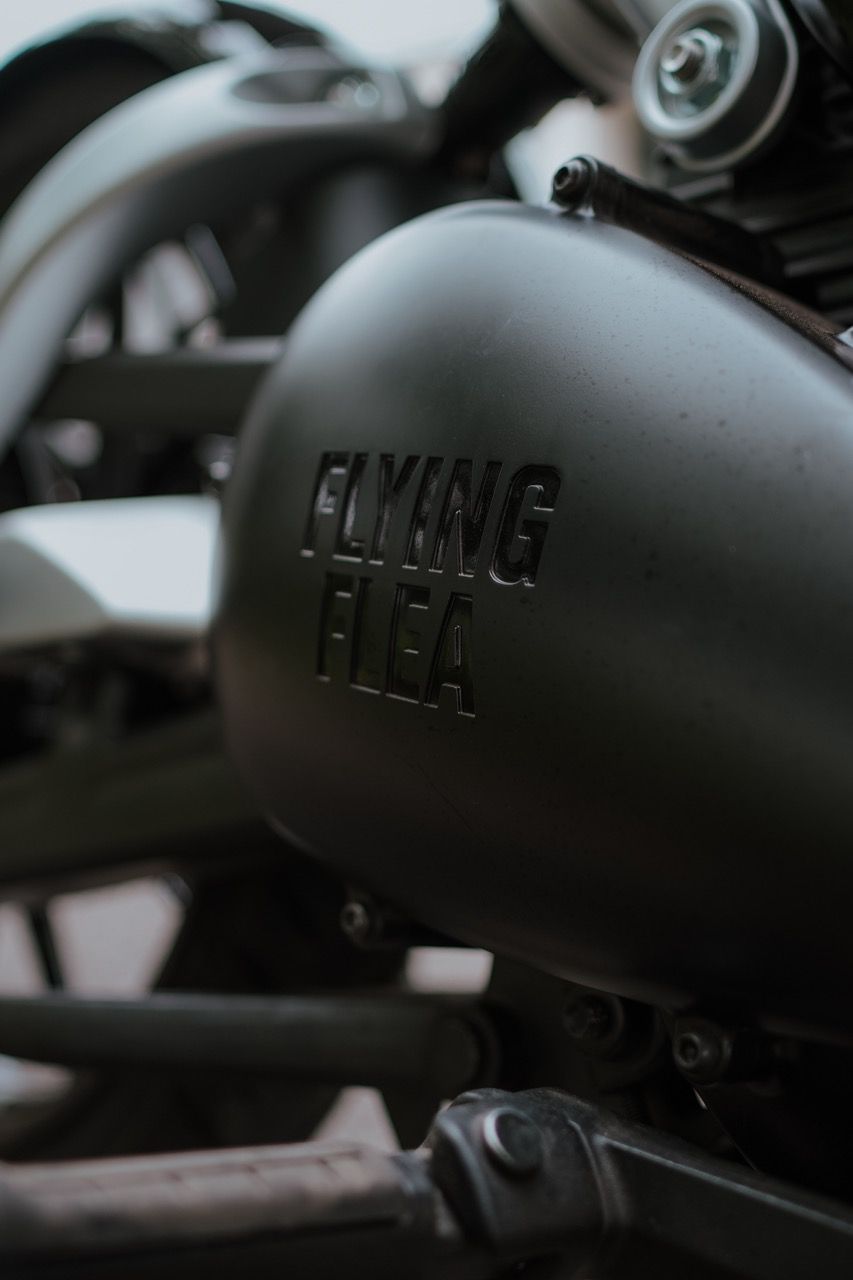
And it makes sense. Royal Enfield has grown beyond being just a motorcycle manufacturer. It’s increasingly trying to become a cultural brand. Look at Motoverse, Hunterhood, GRRR Nights and whatnot. These aren’t merely motorcycle events anymore. They’re an attempt to bring together music, fashion, art, street culture and everything in between, with motorcycles somewhere at the centre of it all.
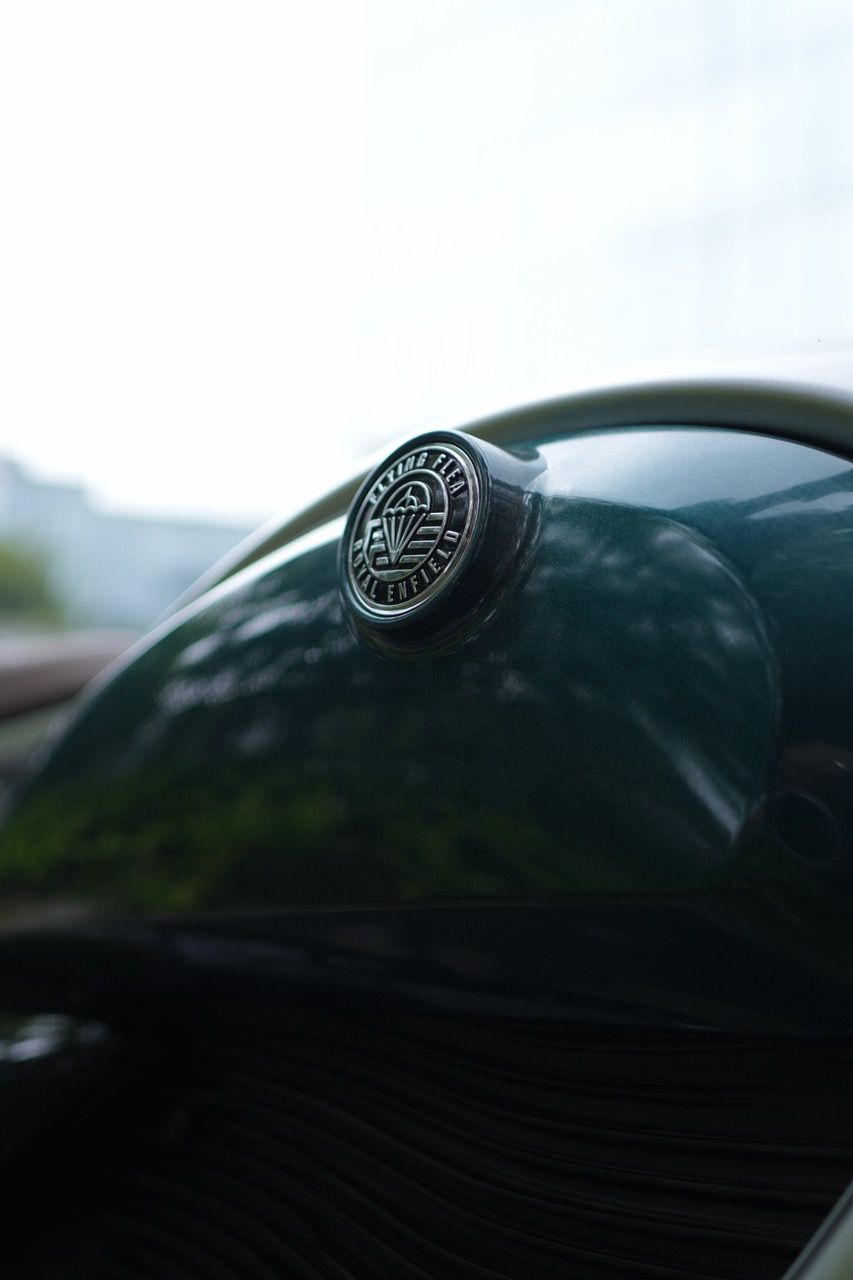
The idea is to make Royal Enfield something you want to be associated with, even before you’ve considered buying one of its motorcycles. To sell a lifestyle, rather than just a machine. And the Flying Flea feels like a natural extension of that philosophy.
Because here’s a motorcycle that doesn’t demand you understand the romance of a thumping single-cylinder engine, the joy of changing gears or the appeal of a 200kg machine. It asks very little of you, while giving you enough character to make the experience feel special.
And I think Royal Enfield has largely nailed its first attempt at bringing that philosophy into the electric age.
Who Is It For?
The Flying Flea C6 is a statement of intent. The folks at Royal Enfield clearly read enough of your Haathi Mat Paalo comments (Bajaj’s old Dominar ad line that cast Royal Enfield bikes as lumbering elephants), took them personally and built something so impressive that I’m almost tempted to buy one.
Almost.
And the reason I won’t has very little to do with the motorcycle itself. It’s entirely down to the kind of motorcyclist I am.
If you’ve grown up commuting on electric scooters and want to experience motorcycling without the intimidation of a conventional Royal Enfield, the C6 makes a compelling case for itself. If you already own a petrol-powered motorcycle for your weekend rides and want something light, entertaining and effortless to thread through the city during the week, it makes even more sense.
At ₹2,79,000 ex-showroom, or ₹1,99,000 with the Battery-as-a-Service option, which comes with additional battery subscription costs, it’s a fairly tempting proposition, particularly considering the engineering that’s gone into it.
But if you’re looking for a single-bike garage, something that will take you to work on Monday and somewhere into the mountains on Saturday, I’d suggest looking elsewhere for now. The C6’s limited real-world range and distinctly urban focus mean it isn’t quite the all-rounder some motorcyclists might want it to be.
I’d wait to see what the upcoming Flying Flea S6 has to offer. Or better yet, keep an eye on what the engineers in Chennai are cooking up next.
Because the Flying Flea C6 isn’t trying to be the Royal Enfield for everyone. It’s trying to be the Royal Enfield for people who might never have wanted one in the first place.
Photo Credits: Abhijeet Landge


