For decades, the Indian automotive market has looked outward at shiny new brands and their shinier toys. That dynamic has shifted. Over the past few years, both legacy giants and hungry new players have begun treating India not as another emerging stop on the global map but as the market. The one that can change their fortunes. The one they cannot afford to ignore.
Stepping straight into this new reality is VinFast, the Vietnamese company positioning itself as the next big contender with its VF6 and VF7, both priced to make established EV makers nervous. On the surface, it is easy to file them under the growing list of international hopefuls testing Indian waters. The truth is more layered.
During my visit to Vietnam with VinFast, I realised the company is not simply preparing to sell cars to India. That is only the starting point. What they are building is far more ambitious, far more national in scale and far more revealing of Vietnam’s own moment in the global spotlight.
And that is where the story really begins.
The Context
After landing in Hanoi and being ferried to the VinPearl resort in Phu Quoc, a two hour drive away, the scale of what VinFast has built hits you before the briefing even does. Ten minutes of staring out of the bus window is enough. Every second or third car on the road carries a VinFast badge. At first the logical part of my brain labelled it coincidence. By the end of four days in the country, that coincidence had hardened into an unavoidable pattern.
For a brand that only emerged in 2017 under the umbrella of Vingroup, the growth is exceptional. Somewhere between the airport and the resort, someone mentioned that Vingroup contributes nearly 1.1 per cent of Vietnam’s GDP (around $430 billion). The figure sounded absurd until I double checked, and of course, the landscape outside made it feel completely plausible.
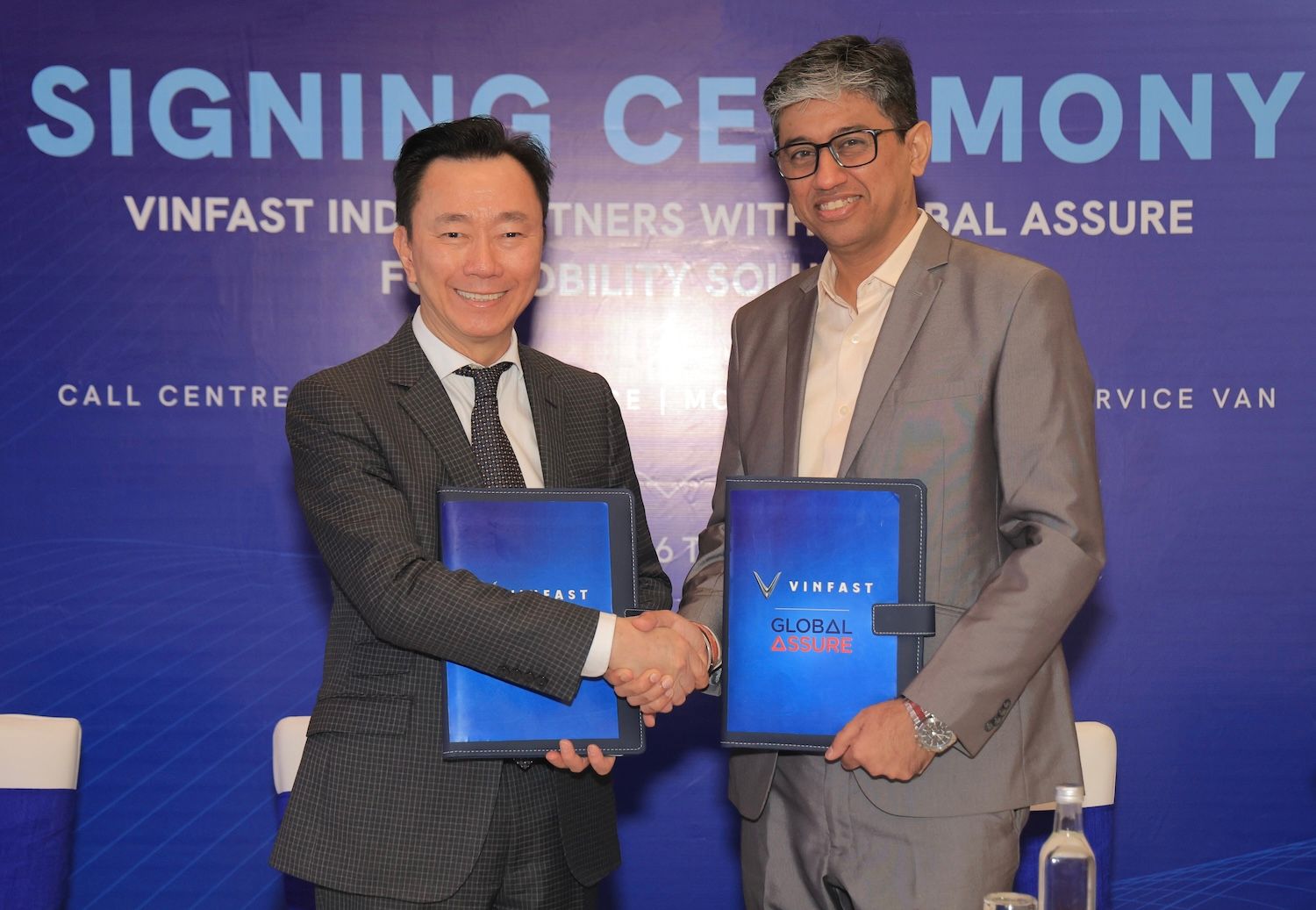
The obvious question I carried with me through the flight and the trip was why India and why now. That was put to rest by the CEO of Vingroup Asia and VinFast Asia, Pham Sanh Chau, who apart from being a historian with excellent taste in fits and scarves also served as Vietnam’s Ambassador to India, Nepal and Bhutan from 2018 to 2022. For Chau, the question was never why India. It was why not. “Because it is the third largest market, apart from the United States. And China,” he said, as if the answer had always been self evident.
But India is a tough cookie to crack. It exists in a paradox of being both price driven and value driven. We want the cake, want to eat it, and still want to pay less for it. With its two products, the VinFast VF6 at Rs 16.49 lakh and the VinFast VF7 at Rs 20.89 lakh, the company seems to have started its innings on the right foot. Both are competitively placed in an already cutthroat segment where international optimism often dies the moment it meets Indian expectations.
The Answer
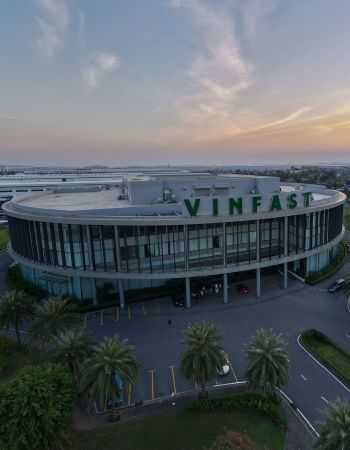
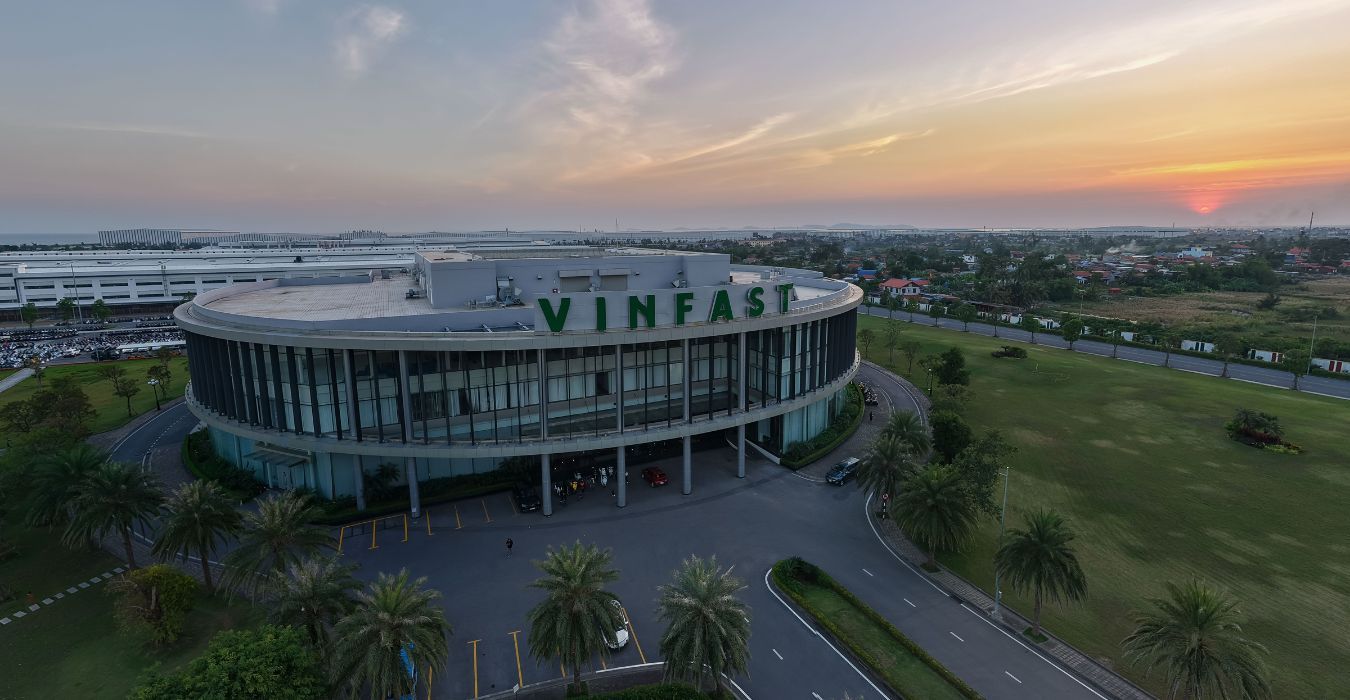
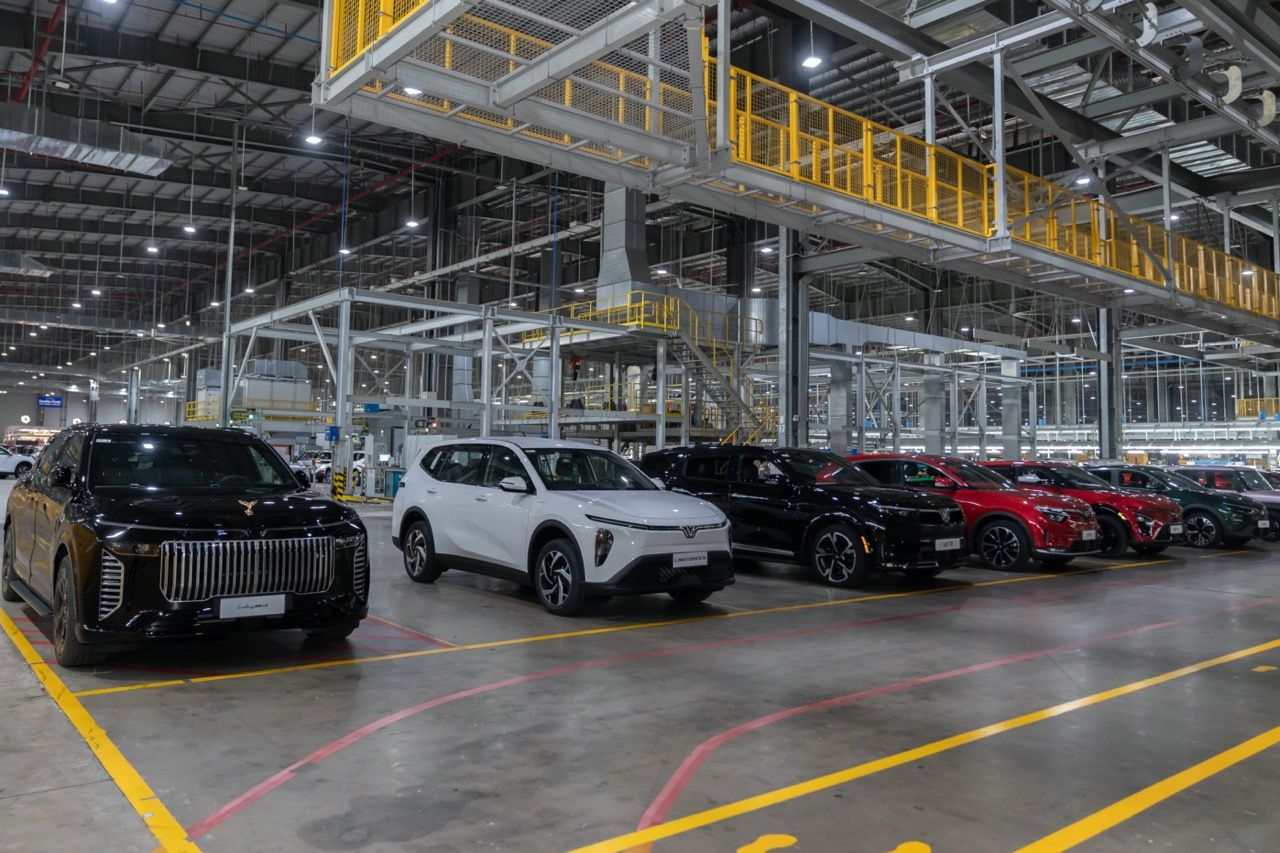
The explanation for VinFast’s confidence comes into focus the moment you step into its Hai Phong manufacturing complex. The place sits on Cat Hai Island, spread across 335 hectares, though “factory” feels like the wrong word.
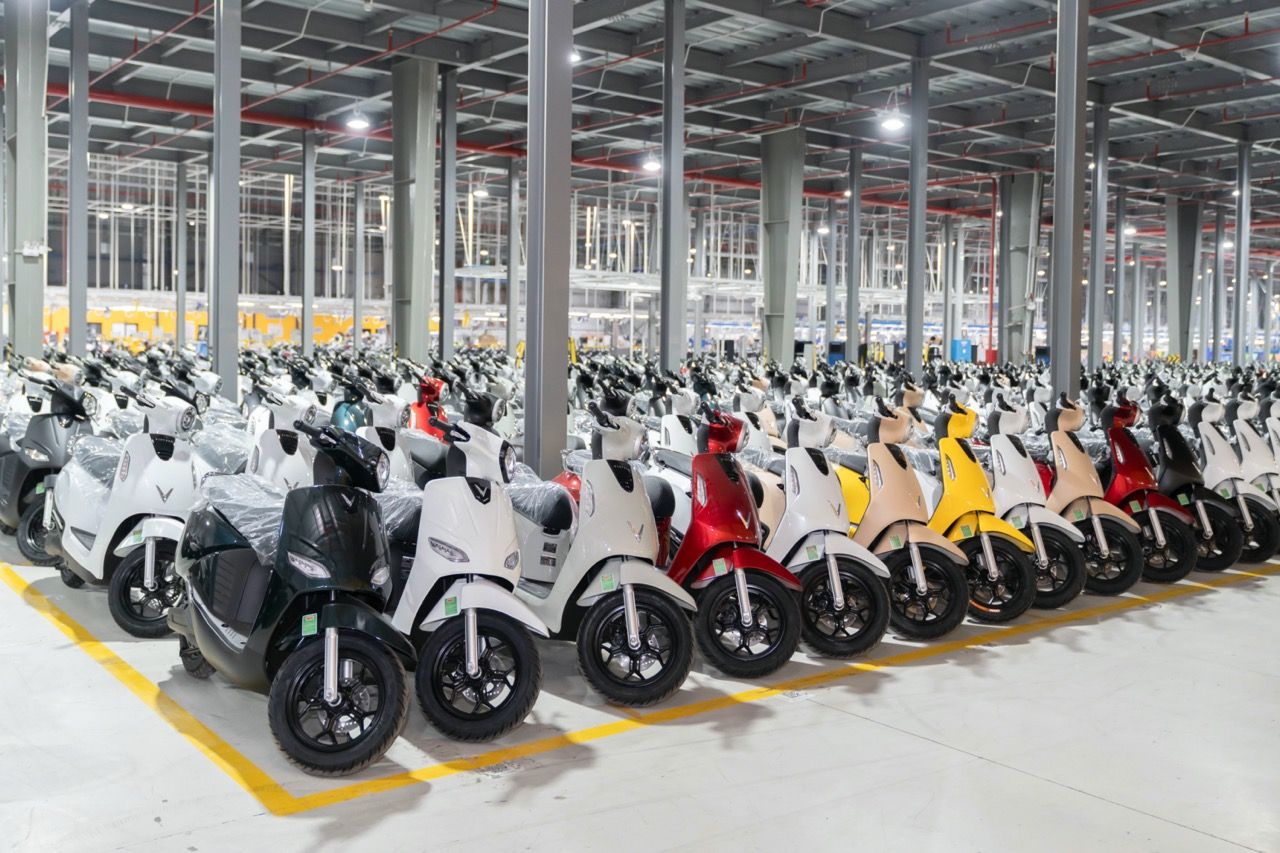
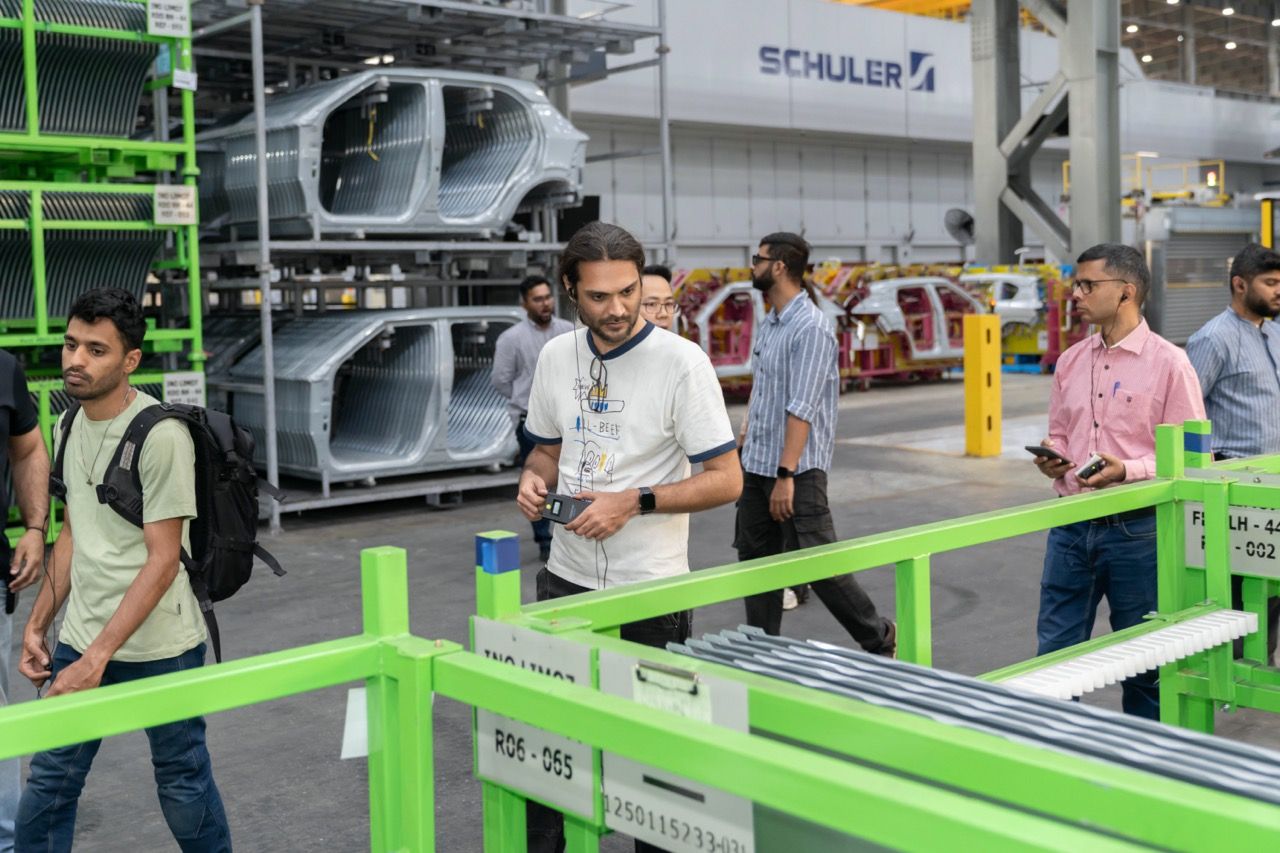
Walking through the site feels like watching a country compress decades of industrial growth into a single address. One section is stamping out car bodies using German hardware built to millimetre-level precision. Another is churning out electric scooters at a rate that explains why half of Vietnam seems to silently glide past on two wheels. A separate corner is devoted to electric buses. That part alone covers 42,000 square metres, and produces vehicles that now run airport shuttles, inner-city routes, and suburban lines across five cities.
The entire complex operates on an Industry 4.0 nervous system. Every press, jig, torque tool and conveyor is wired into a digital feedback loop. Machines monitor machines. Data is collected constantly, compared against standards, and flagged for deviations that are corrected before a human supervisor even notices.
The setup runs on controlled airflows, vacuum systems and predictive maintenance dashboards. Capacity currently stands at 250,000 cars a year, with the infrastructure ready to scale to 500,000. India’s largest automakers operate at far higher volumes, but this is a solid base to build from.
On the electric side, scooter production can scale up to a million units annually, while electric bus capacity is expected to cross 1,500 units a year.
The Products
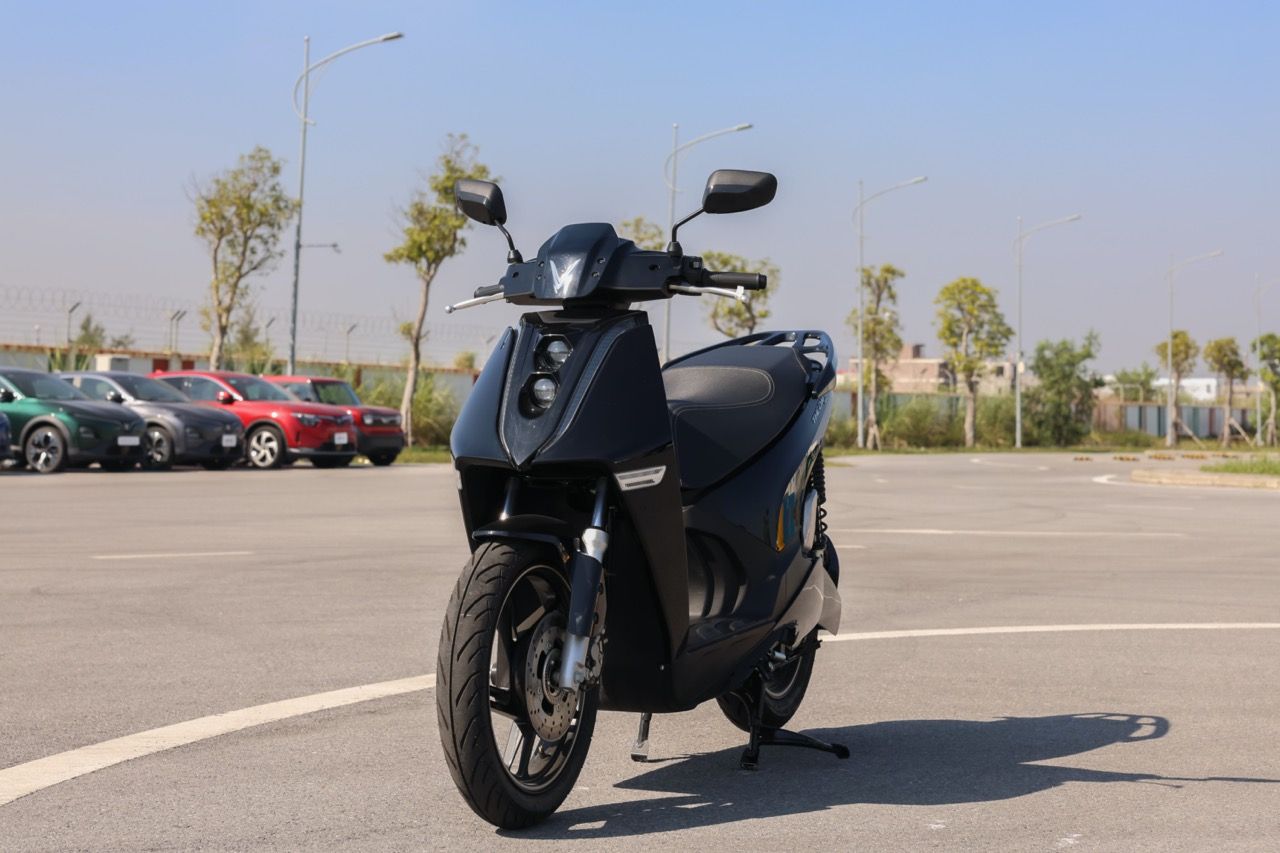
The product story is where VinFast’s India play gets even more interesting. The VF6 and VF7 may be the headline acts for now, but the company was clear about what is coming next. A seven-seat electric MPV called the Limo Green is already lined up for India, and there are active discussions around the VF3, a pint-sized urban EV positioned to take on India’s compact EVs. But the real surprise on this trip was not the cars. It was the two-wheelers.
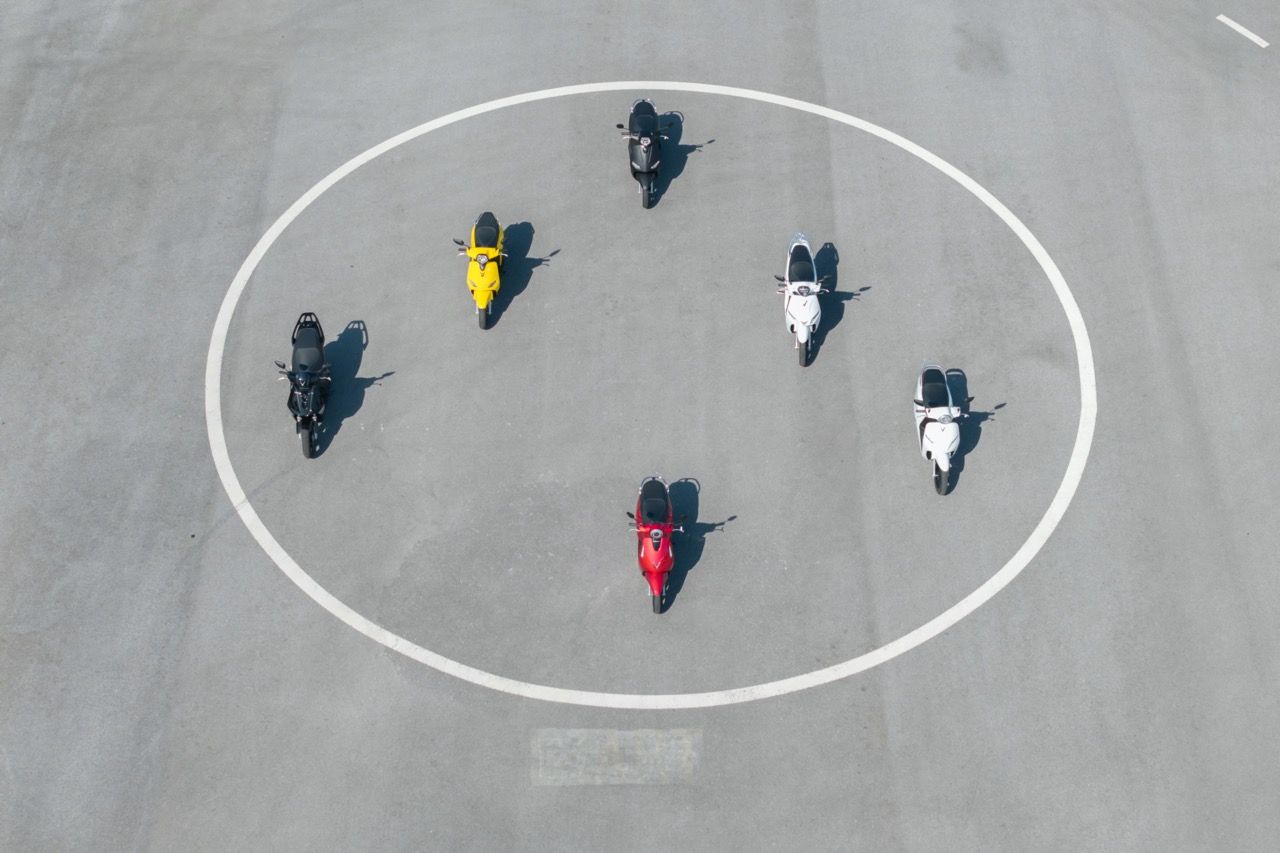
At a private test facility, we were handed the keys to six of the e-scooters VinFast is considering to bring to India - Vento Neo, Vero X, Feliz Neo, Klara Neo, Evo Grand and the range-topping Theon S.
Across segments, they cover everything from entry-level commuters to mid to high-end scooters with proper performance credentials. Our saddle time was short but enough to sketch out our personalities. The Feliz Neo and Klara Neo sit in that 60 kmph sweet spot and feel built for predictable, stress-free city use. The Vento Neo adds a bit more battery muscle with its 3.5 kWh pack and still promises well over 100 km of range.
For India, the likely standouts would be the Vero X equivalent, the Evo Grand models, and the Theon S. The last one, in particular, looks like a serious proposition. With a 3.5kWh LFP battery, a claimed 99kmph top speed, 150km range, dual-channel ABS, and a 3.5kW motor peaking at 7.1kW, it does not outgun the Ather lineup on paper. Priced right, however, it could slot in neatly against the TVS iQube and Bajaj Chetak.
What ties the range together is the maturity of the hardware. Telescopic forks, hydraulic dampers, front disc brakes, LED lighting, and IP67-rated components appear to be standard. Real-world ranges crossing 100km only reinforce the point. If the cars are meant to get the brand into Indian homes, these scooters could be what puts it on Indian streets much sooner.
The Bigger Picture

But the VinFast story, or rather the Vingroup story, doesn’t end with bringing cars and scooters to our shores. If anything, that is the easy part. What becomes clear once you spend time inside the ecosystem is that the Vietnamese conglomerate is not trying to enter India as an automotive brand. It wants to arrive as a full-blown parallel universe.
In Vietnam, Vingroup operates like an alternate national infrastructure. You begin to understand the scale when you see how the ecosystem loops back into itself. Residents in Vinhomes communities use VinFast scooters or cars. They charge them at V Green stations. They shop at Vincom. Their children study at Vinschool. They take VinBus to work. Their medical records sit in Vinmec’s databases. Every part supports the next, locking in loyalty and creating a consumer life that is tidy, efficient and unmistakably Vietnamese in its ambition.
During the trip, it became increasingly obvious that Vingroup does not want to simply sell products in India. It wants to transplant that philosophy of a stitched together ecosystem, where mobility, housing, retail, healthcare, education and energy belong to the same family.
The ambition is clear, but India is a hard market to crack. VinFast has priced the VF6 and VF7 smartly so far, yet the electric two-wheeler space is dominated by strong homegrown startups offering segment-leading products. Competing with players like Ather will not be easy. That said, given the accelerated trajectory that the automaker has had in their home ground, backed by aggressive pricing, VinFast seems to be on the right track.


