It’s 2pm on a humid Wednesday afternoon near Vietnam’s Halong Bay and I’m staring a capybara square in the face while feeding it some grass. Admittedly, that’s not how most car reviews begin. The anecdote is there purely to contextualise the truly surreal experience that is visiting Vietnam with the VinGroup. Everything from the TV in my hotel room, to the building said hotel room is in, belongs to VinGroup—Vietnam’s largest business conglomerate. The capybara is from a theme park that also belongs to the group, next to an up-and-coming township that, you guessed it, has a “Vin” suffix slapped on.
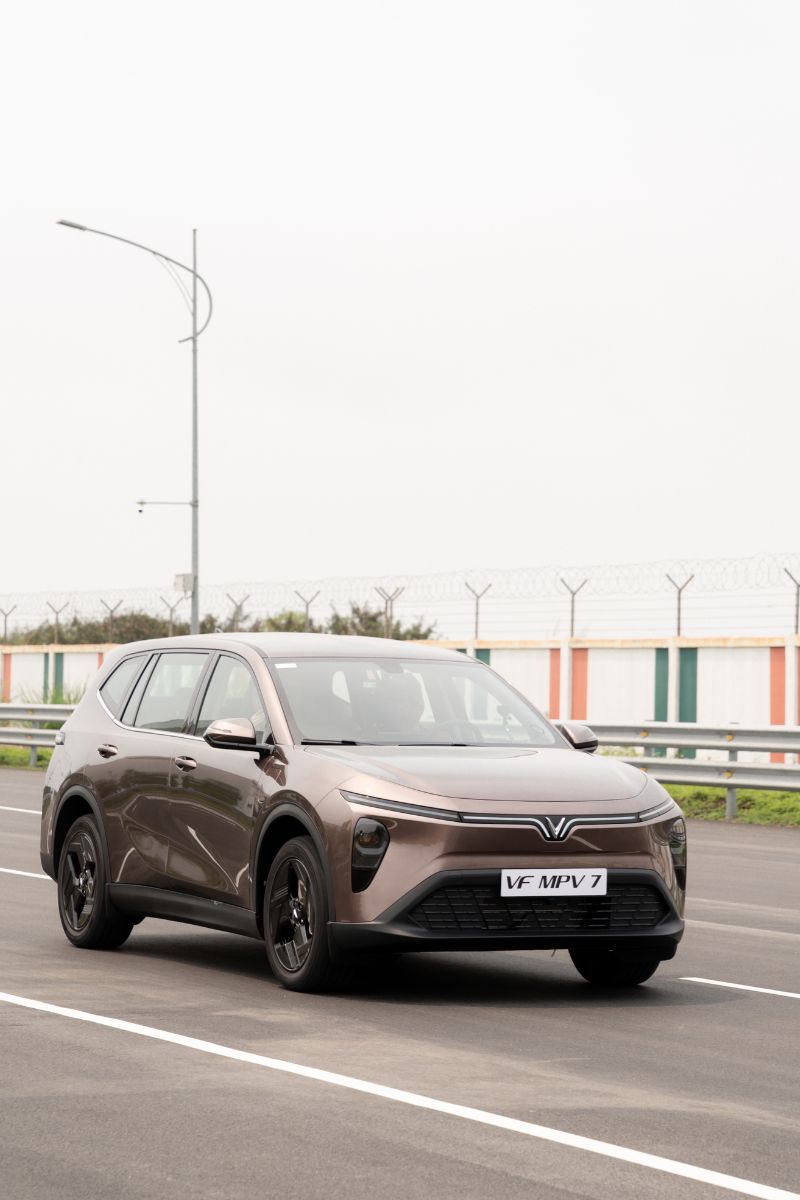
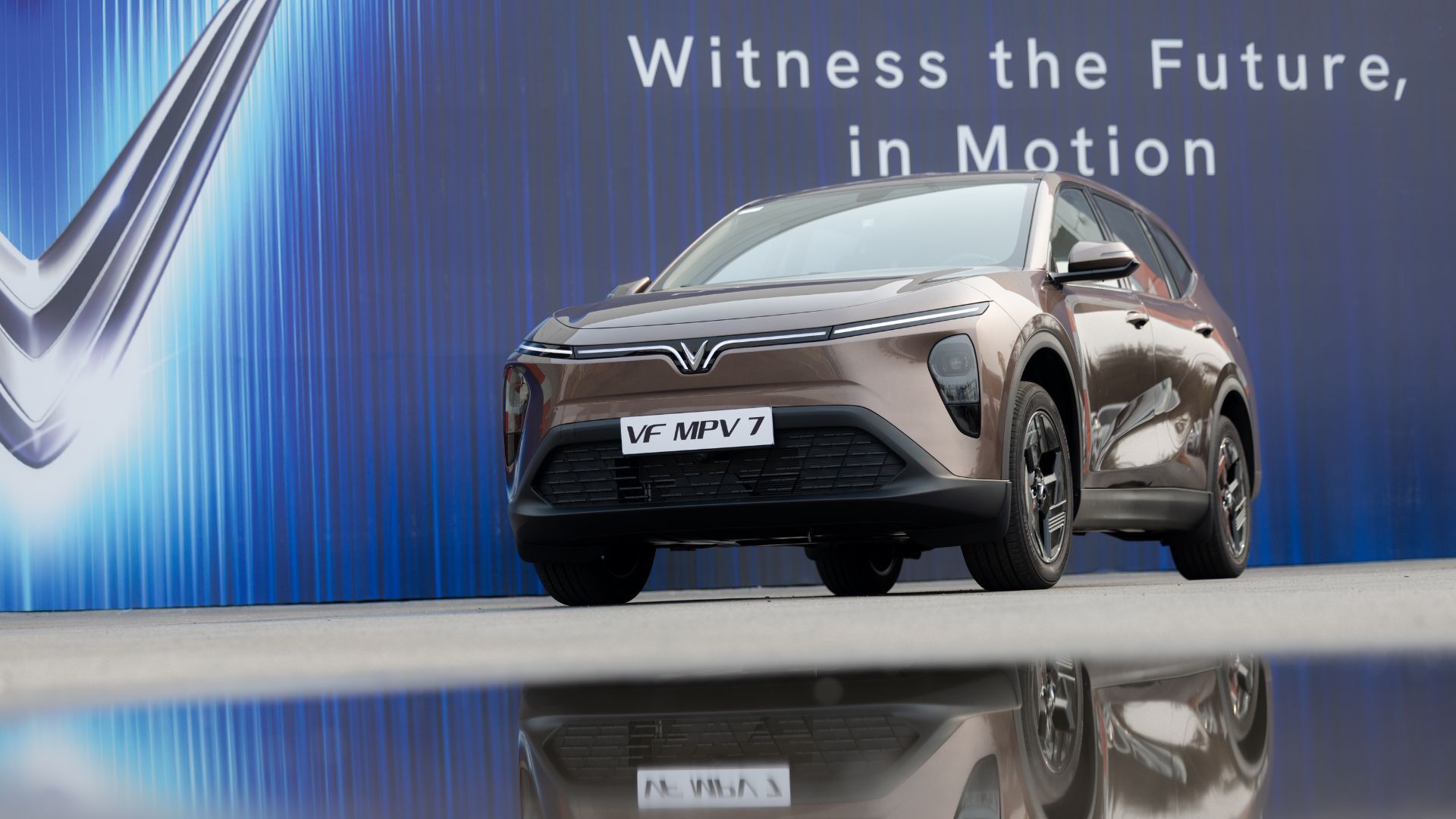
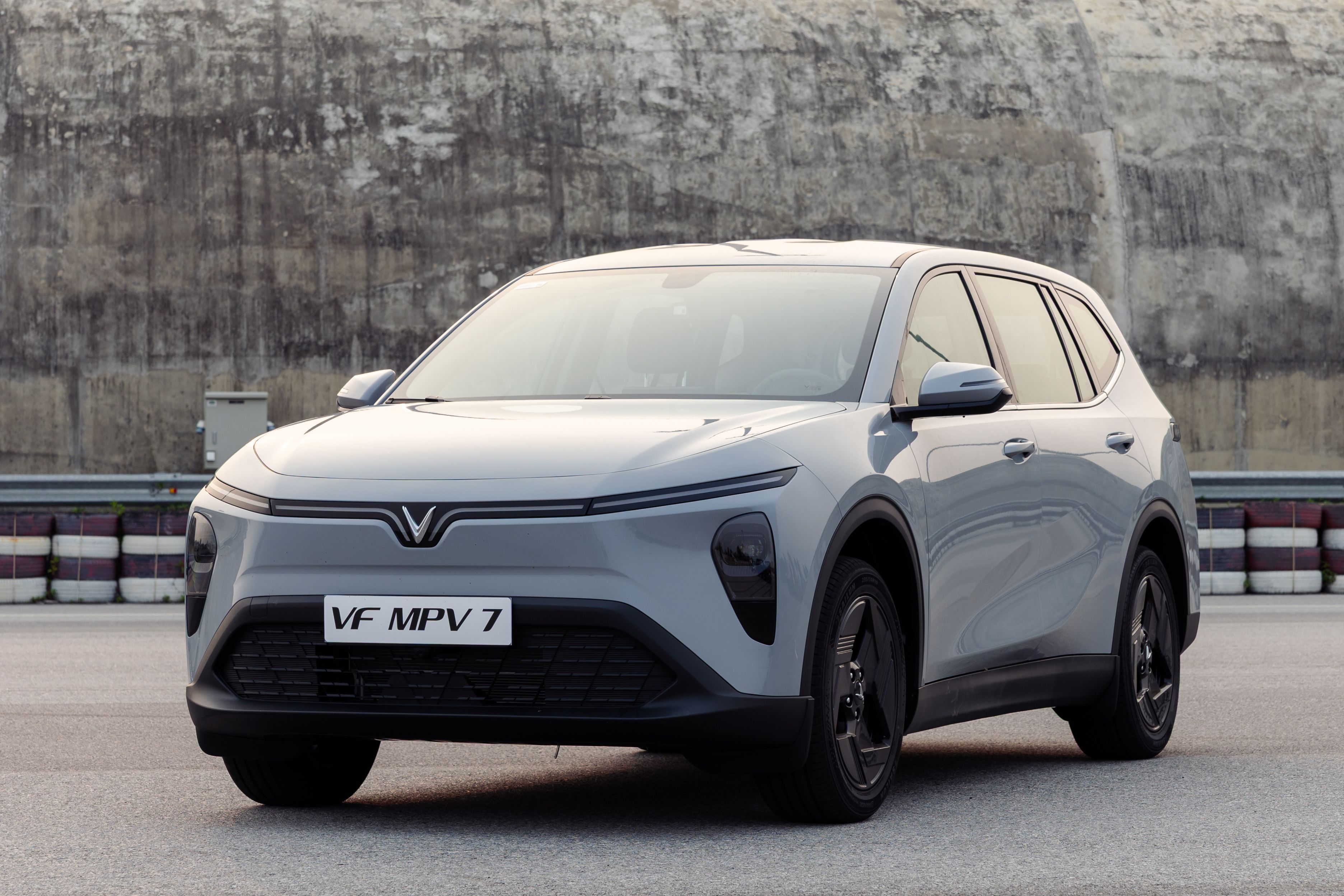
This does explain just how VinFast has managed to set-up a 400-acre manufacturing unit in Tamil Nadu, in a record 17 months. The word “fast” is, after all, part of the name. This tradition of self-explanatory names extends to its third and latest offering—the MPV 7. It’s, well, an MPV that seats seven people. Coming in hot behind the VF7 and the VF6, the MPV 7 locks horns with the Kia Carens Clavis EV and the Mahindra XEV 9; both formidable contenders in the relatively niche electric MPV segment, both pipped in the dimension department by the MPV 7. Translation: it’s larger than its rivals in every way. Its design can be best described as a mish-mash of design cues from the Tesla Model Y, a Tata Safari with a hint of a Toyota Innova. It’s a design that feels both familiar and aspirational and it all blends-in very well. The end result is an MPV that feels and looks more imposing than its rivals. Instead of lavishing it with bells and whistles including ventilated seats, ADAS functionality, a sunroof, and a 360-degree camera VinFast is prioritising vehicular fundamentals—ample leg-room, even in the third-row, suspension that’s been re-tuned to Indian specifications and thermal management to better withstand temperature extremities.
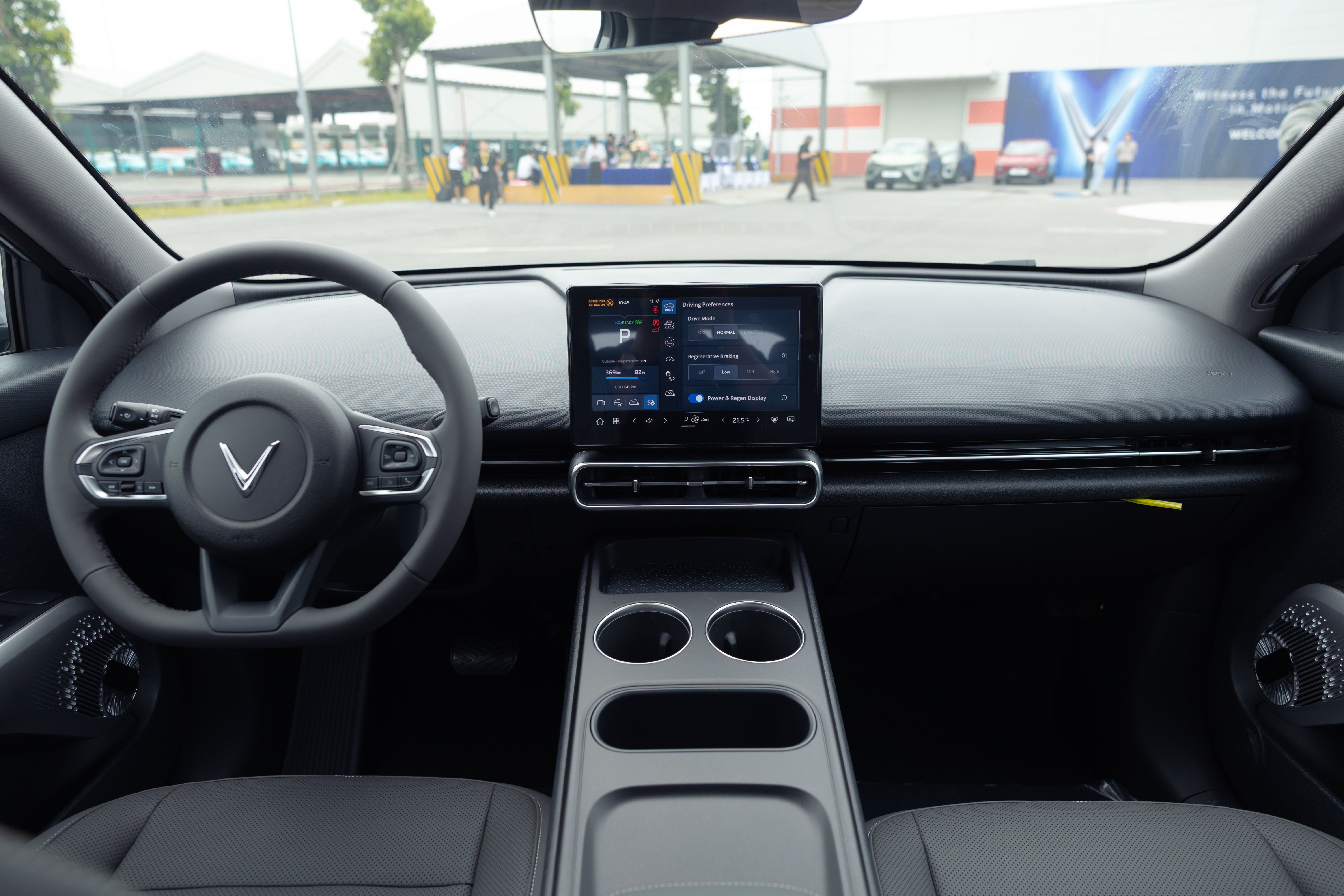
Like the VF6 and VF7, the VF MPV 7 leans into a pared-back, almost monastic cabin aesthetic. It’s clean and functional, yes, but it doesn’t quite deliver the plushness you get in the Kia Carens Clavis EV. Still, there’s merit in its restraint: the textured hard plastics are pleasing to the touch, panel gaps are tight, and overall fit and finish feel reassuringly well-judged. Although VinFast would do well to reconsider the silver-finished speaker grilles on the door panel which feel fairly tacky.
There are flashes of indulgence, too, but not quite at the same level as the brand’s flagship VF7. A flat-bottomed steering wheel, padded leatherette armrests for both centre and doors, and a decidedly upmarket frameless rear-view mirror lend the cabin a touch of quiet luxury. Front and centre sits a 10.1-inch touchscreen that does just about everything—speed readouts, climate control, mirror adjustments, drive modes, regenerative braking and more. It’s an all-in-one approach that looks slick on paper, but in practice, feels a touch overburdened. With no conventional instrument cluster or head-up display to fall back on, even a quick glance at your speed demands you take your eyes off the road. Adjusting the mirrors on the move? Not an option—an odd omission in an otherwise tech-forward setup. I blame Tesla for this single-screen epidemic—it’s just not a feature that translates well to automotive interiors.
Although VinFast hasn’t specified if the version I was testing is the top-spec one, or just how many variants will make it to India, wired Android Auto and Apple CarPlay are available. It's functional, if not quite in step with the wireless expectations of 2026. The underwhelming four-speaker audio system is also hard to gloss over.
On the practicality front, however, it redeems itself rather well. Storage is generous and thoughtfully laid out, with a dedicated phone tray, cup holders, a deep central cubby, a lower shelf with both Type-A and Type-C ports, and accommodating door bins. The front seats, meanwhile, favour comfort over contouring. They’re wide and generously cushioned—almost to a fault—but lack the lateral support you’d want on a spirited drive. A bit more tech here wouldn’t go amiss either; powered adjustments and seat ventilation feel like obvious inclusions that are conspicuous by their absence.
What stands out immediately is the elevated perch of the middle row, which lends passengers a commanding view forward; an effect that subtly enhances the sense of space. There’s no shortage of room either: the flat floor frees up foot space, while the bench can slide and recline to dial in a more relaxed seating position. Three adjustable headrests tick the essentials box, but beyond that, it’s a bit of a mixed bag.
The seat itself, despite the cabin’s generous width, feels unexpectedly slim, so while it will accommodate three, those by the doors don’t get as much under-thigh or side support as they might like. Padding is generous, but ends up feeling slightly awkward instead. And then there are the omissions: no sunshades to shield you from the glare, and no central armrest to break up longer journeys. It’s a practical space, certainly, but one that stops just short of feeling properly considered.
Driving the MPV 7
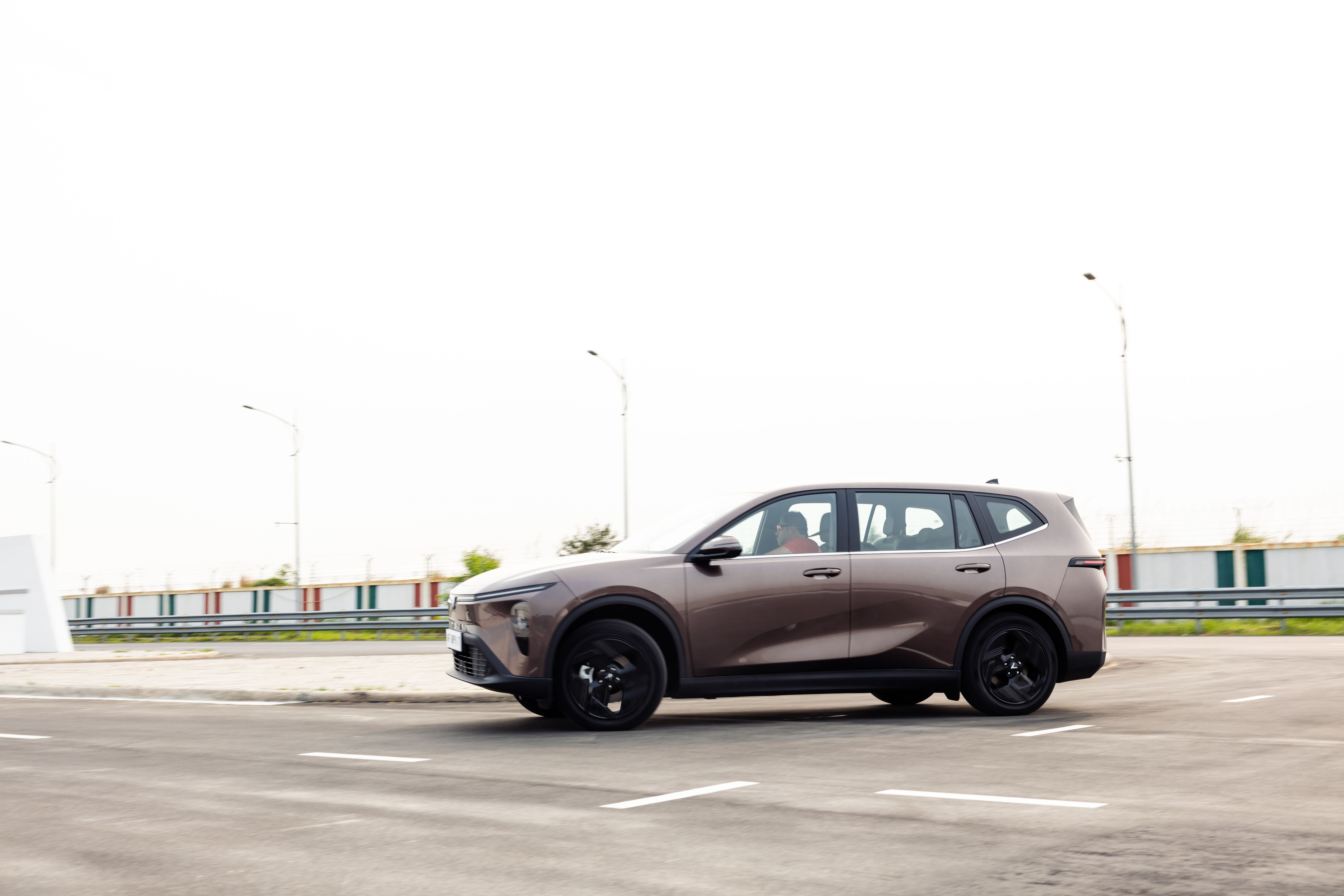
There isn’t one specific characteristic that sticks out when it comes to the way the MPV 7 drives. The first thing that becomes apparent is that this thing has exceptionally good brakes. The EV features a 60.13 kWh battery, similar to the one found in the VF7, except given the added weight, it feels not quite as brisk, which is perhaps just what you need with a family car. Power levels remain steady at 204hp with 280 Nm of torque and you can switch between three driving modes—Eco, Normal and Sport—on the fly. The difference in power delivery isn’t all that pronounced, but with a sub 10-second 0-100 time, there’s enough here to allow highway overtaking maneuvers. The key difference is that in Eco mode, top speed is limited to 140 kph while the other two take the EV all the way to 160kph. No paddle-assisted regen modulation here, so you have to jab your digits at the screen to pick between the three regen levels, the strongest of which can deliver slow, single-pedal driving although VinFast doesn’t expressly say so.
While the Vietnamese-spec model quotes a range of roughly 450km on the NEDC cycle, VinFast is bullish about pushing past the 500km mark in real-world Indian conditions with the VF MPV 7. Charging, too, is fairly brisk. The battery is compatible with DC fast charging at speeds of up to 80kW, allowing for a 10 to 80 percent top-up in about half an hour, which is quick enough to turn a coffee break into a meaningful recharge.
Verdict
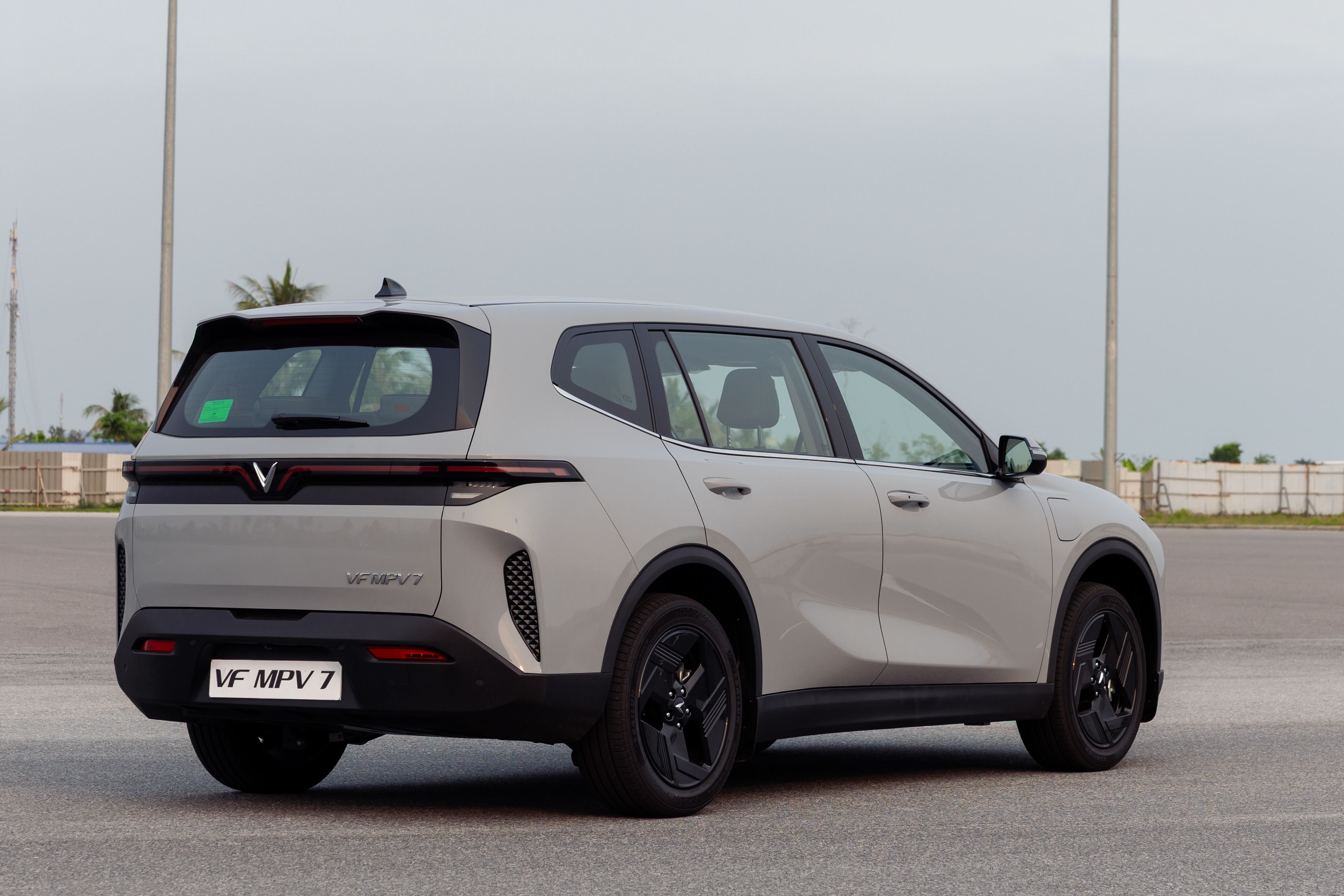
Unlike early movers like MG Motor, VinFast is taking a more lateral approach to reducing the cost of entry, eschewing the now-familiar battery subscription model adopted by players such as Tata Motors and Maruti Suzuki. Instead, the brand is leaning into a suite of incentives designed to sweeten the deal.
Chief among them is a rather compelling 75% buyback promise on EVs sold within two years, alongside its recently introduced “Trade Gas for Electric” programme, which offers discounts of up to ₹1.3 lakh for those swapping out their ICE vehicles. The strategy appears to be gaining traction: VinFast India reported a sharp 66% uptick in March 2026, clocking 691 registrations—well above its earlier monthly run rate of 300-400 units.
But the question that lingers is this: how much are you willing to sacrifice for the benefit of additional space? Yes, the MPV 7 does ride well, it has enough punch for a vehicle its size and while its real-world range remains to be tested, its battery tech feels sound enough. VinFast has already risen to become one of the top-five bestselling EV makers in the country in less than a year, so aggressive pricing will be key to the MPV 7’s success.


