India’s electric two-wheeler revolution didn’t exactly burst onto the scene. It took its time, moved cautiously, and for a while, it felt like the industry was still figuring itself out. In 2026, though, that phase is long gone. The segment is moving quickly, with constant updates in tech, pricing, and overall quality pushing things forward at a pace that’s hard to ignore.
Some brands saw this coming and got in early. Others chose to wait it out, watch how things unfolded, and step in later with a more measured approach. That might have made sense at the time, but in a space that’s evolved this quickly, waiting has meant giving up ground. Catching up now isn’t just about showing up, it’s about showing up with something that feels genuinely competitive.
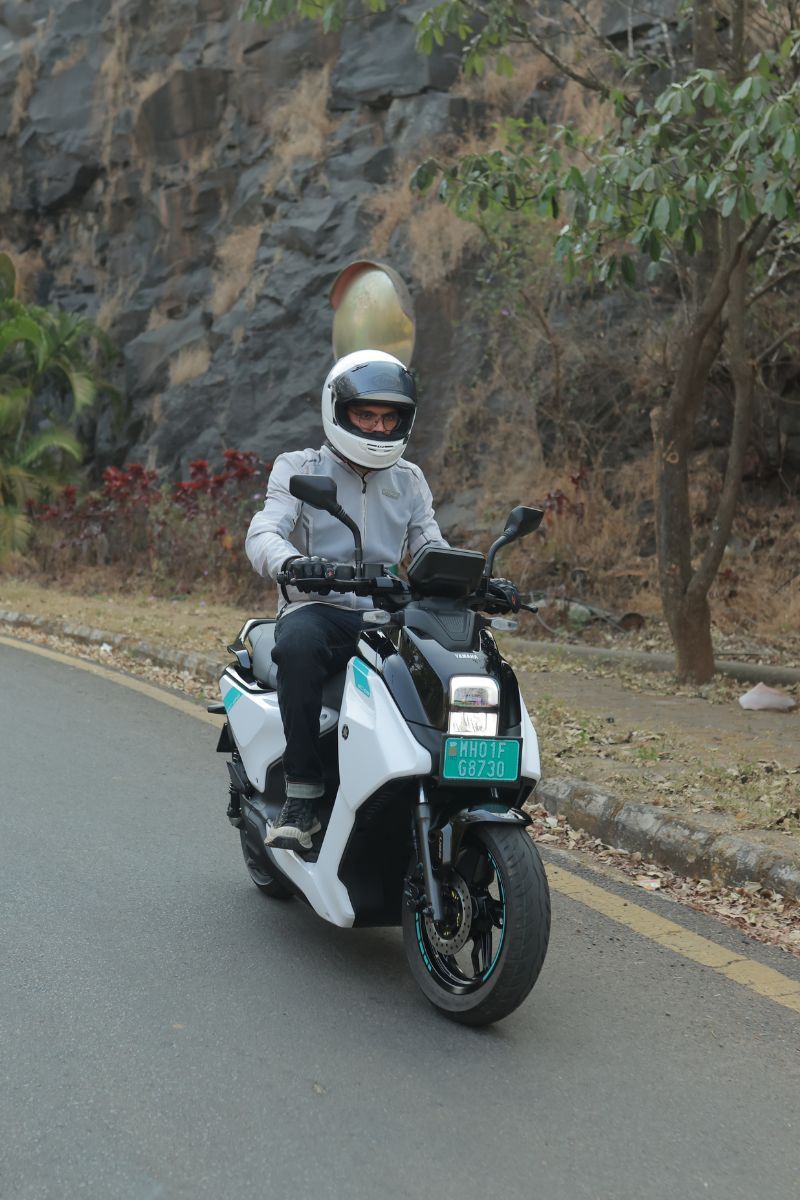
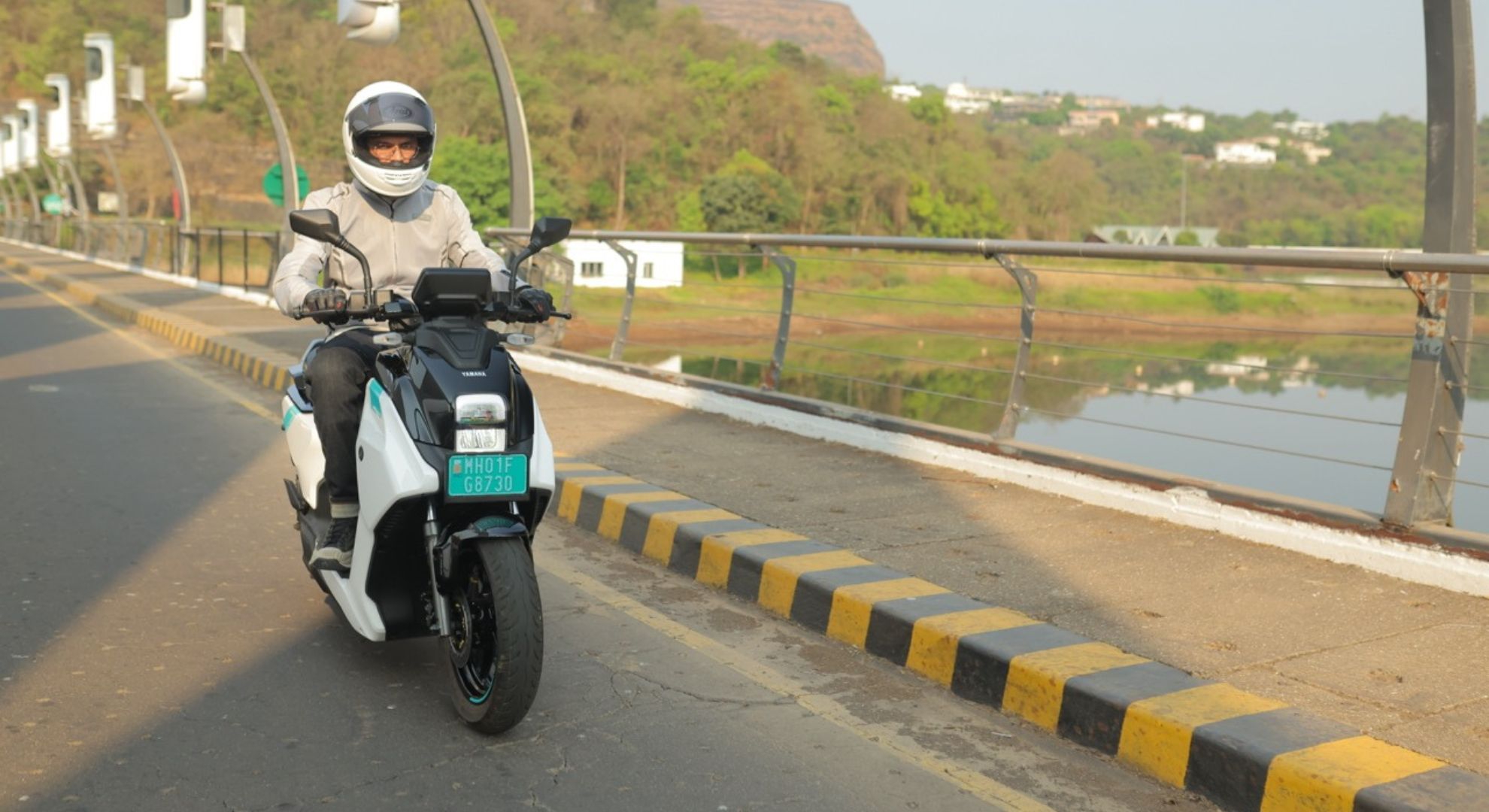
That’s where Yamaha Motor Company comes in. With the EC-06, built off the River Indie platform, the approach is straightforward: take something that already works, refine it, and package it with Yamaha’s design and engineering lens. We spent some time with it in Lonavala’s Amby Valley to see if that’s enough, or if this is just another late entry trying to play it safe.
You’ve Probably Seen This Before
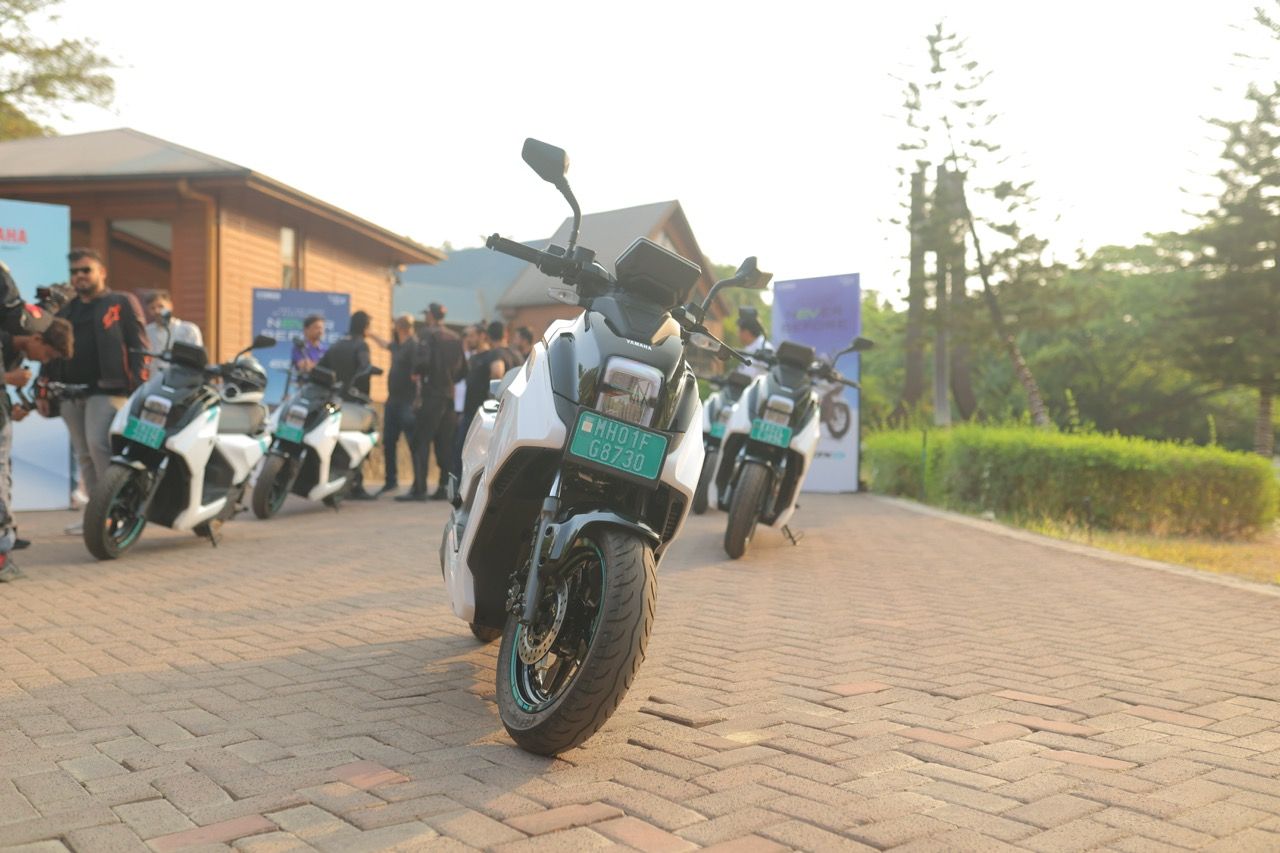
If you know your scooters, you’ll clock the resemblance between the EC-06 and the River Indie almost immediately. That’s not a coincidence. Yamaha Motor Company got in early with River and, instead of starting from scratch, chose to rework an existing base.
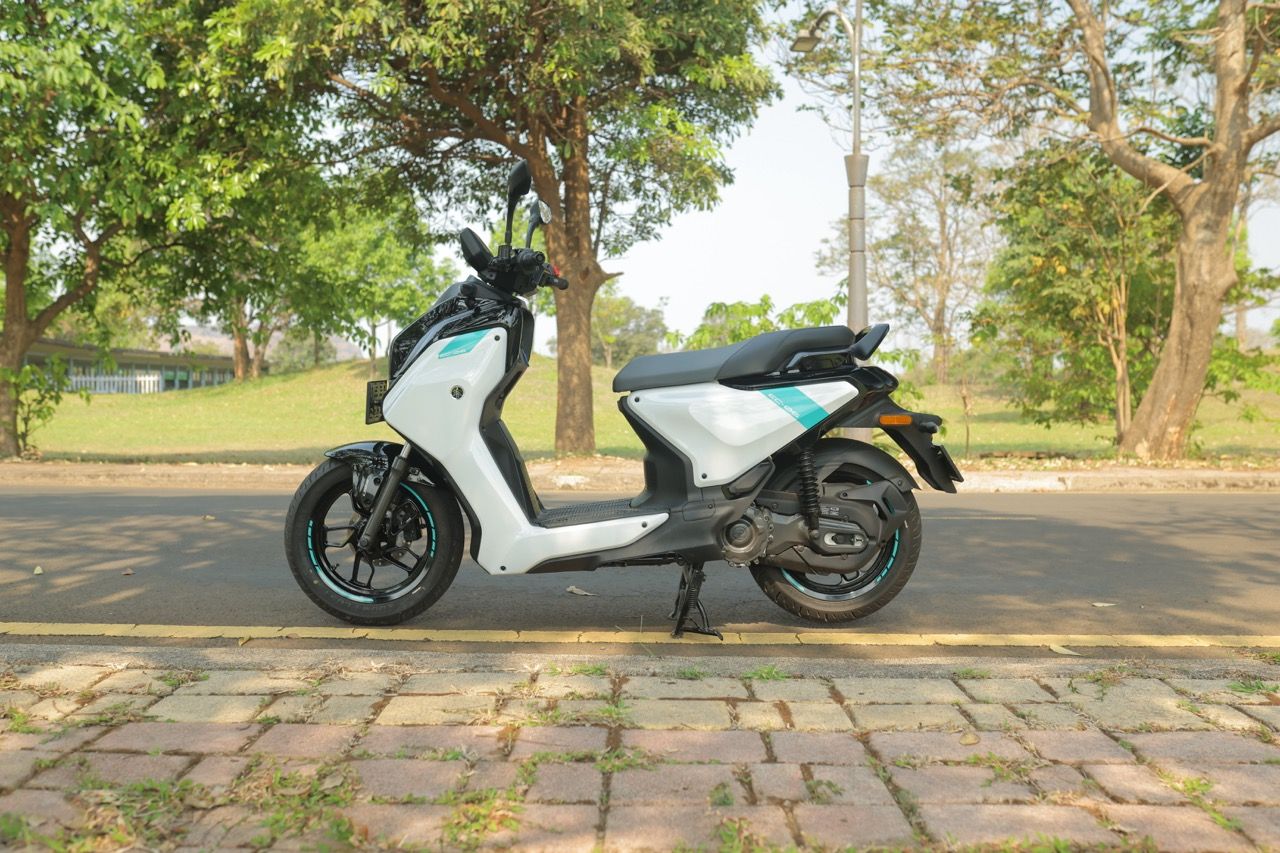
What followed isn’t a ground-up reinvention, but a fairly thorough rethink. Yamaha pulled the Indie into its development centre and gave it a proper once-over. Sharper bodywork, a redesigned headlamp, and a cleaner take on that slightly awkward “SUV scooter” stance. The end result feels more cohesive, more intentional, and a bit more global in its appeal.
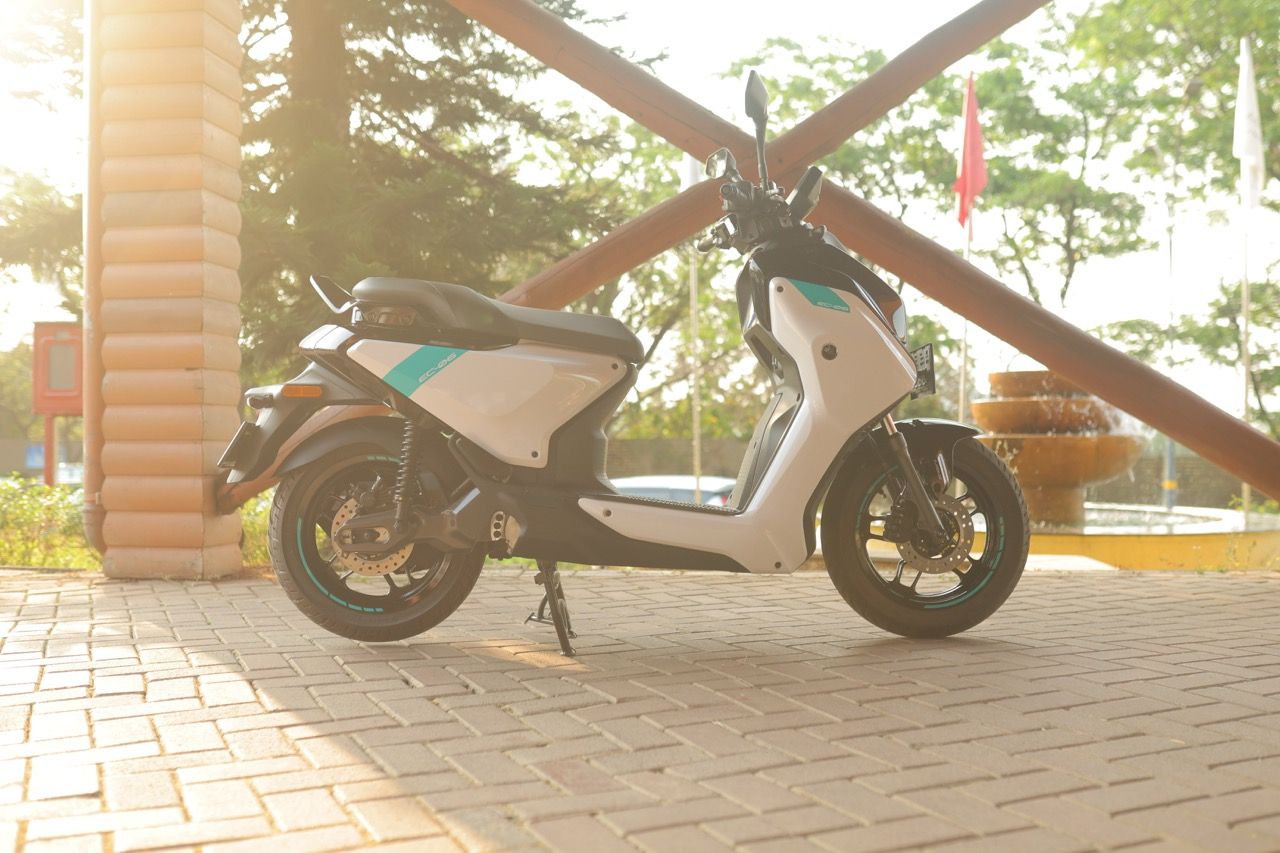
Look closer, though, and the seams start to show. There are small tells everywhere. River branding still lingers on the handle grips and motor casing, like Easter eggs of sorts.
That cleaner design comes at a cost. Practicality takes a hit. Boot space drops from a genuinely useful 43 litres to 24.5, and the front storage box is gone entirely. In return, you get a neater, more accessible charging port setup, which feels more conventional compared to the swappable battery approach on the Aerox E. All this tweaking also makes the EC-06 slightly more compact than the Indie. The wheelbase is shorter by 11mm at 1,354mm, and it sheds some weight too, coming in 8kg lighter than it at 132kg.
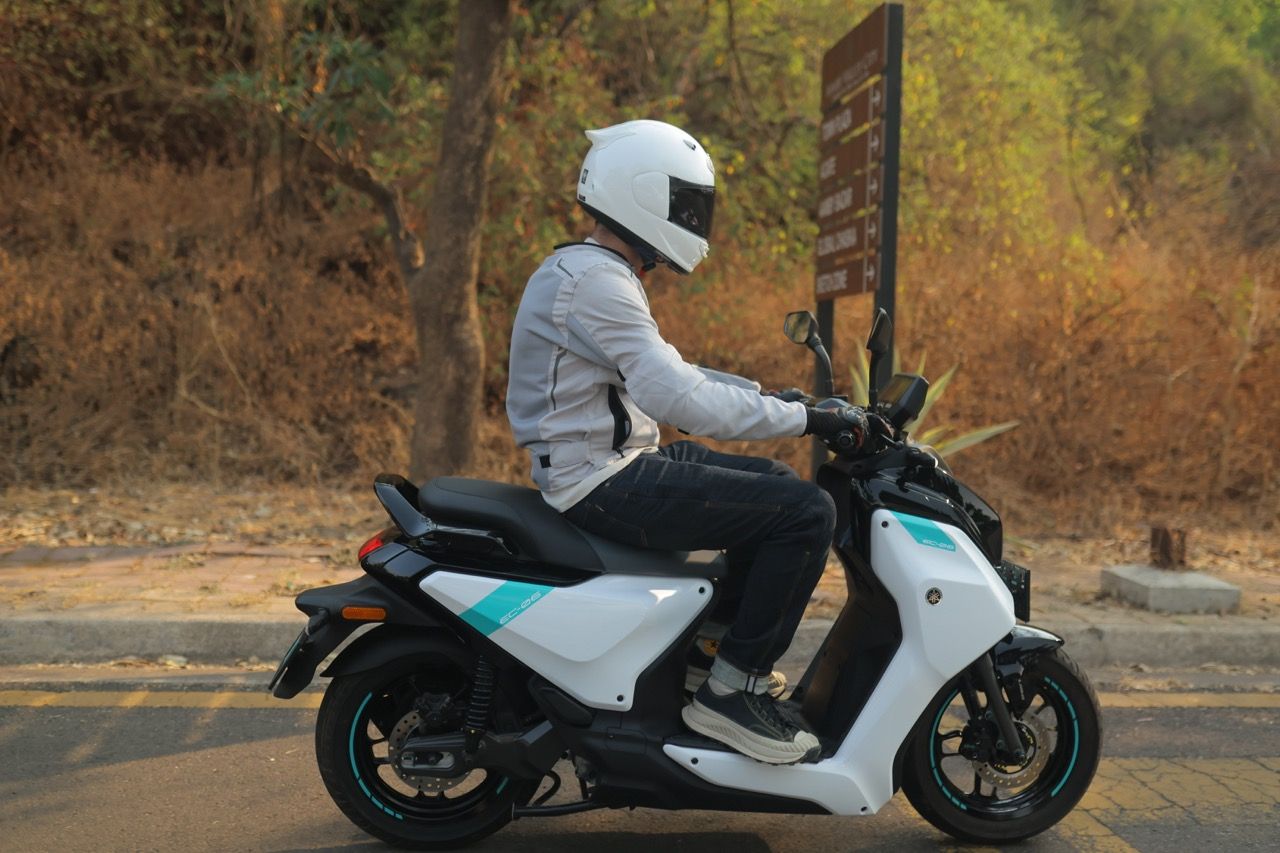
Fit and finish here are genuinely impressive. Buttons feel tactile, panels sit flush, and there’s none of the exposed wiring or rough edges you still see on a lot of EV scooters. It has that polished, almost flagship-device feel, something you only notice when you touch it.
The EC-06 leans into this slightly futuristic, almost animated look, like something out of an Indian take on Arcane. It won’t be for everyone, but at least it has a point of view. And right now, that counts for a lot.
What’s In The Box?
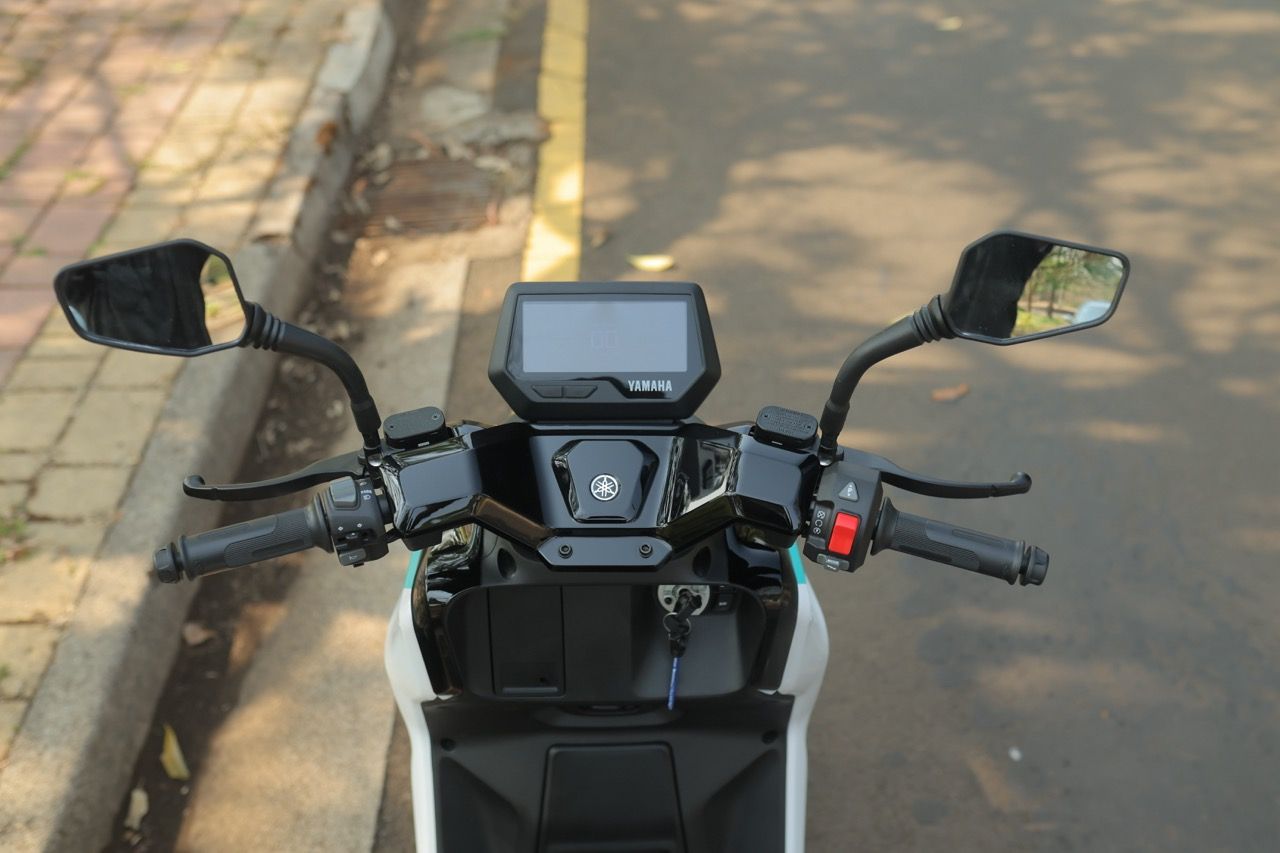
First thing you notice astride the EC-06 is the LCD display. If you’ve spent any time with the River Indie, it’ll feel instantly familiar, just with a Yamaha re-skin. The bigger win here is positioning. It sits right in your line of sight. Ergonomics are solid too. At 183cm, I had more than enough room to sit comfortably without feeling cramped.
Then you get to the spec sheet, and that’s where things start to feel a bit underwhelming. You’re looking at a 4kWh battery, a claimed IDC range of 169km, and a top speed of 79kmph. That’s… fine. Not class-leading, not embarrassing either, just somewhere in the middle.
What’s harder to ignore is the charging time. A full charge takes about 10 hours, with 0 to 80 per cent still needing close to 8. That effectively locks you into overnight charging. For something positioned as a forward-thinking product, it does feel a bit conservative. A quicker charging setup, maybe paired with a touch more performance, would have gone a long way.
Especially when you look at what else is out there. The Ultraviolette Tesseract, set to begin deliveries in Q2 this year, was launched at ₹1.45 lakh with a 261km IDC range and a claimed 20–80 per cent fast charge time of under half an hour. Then there’s the TVS iQube, which gets a larger 5.3kWh battery, 212km of IDC range, and a 0–80 per cent charging time of 4 hours 18 minutes.
On The Go
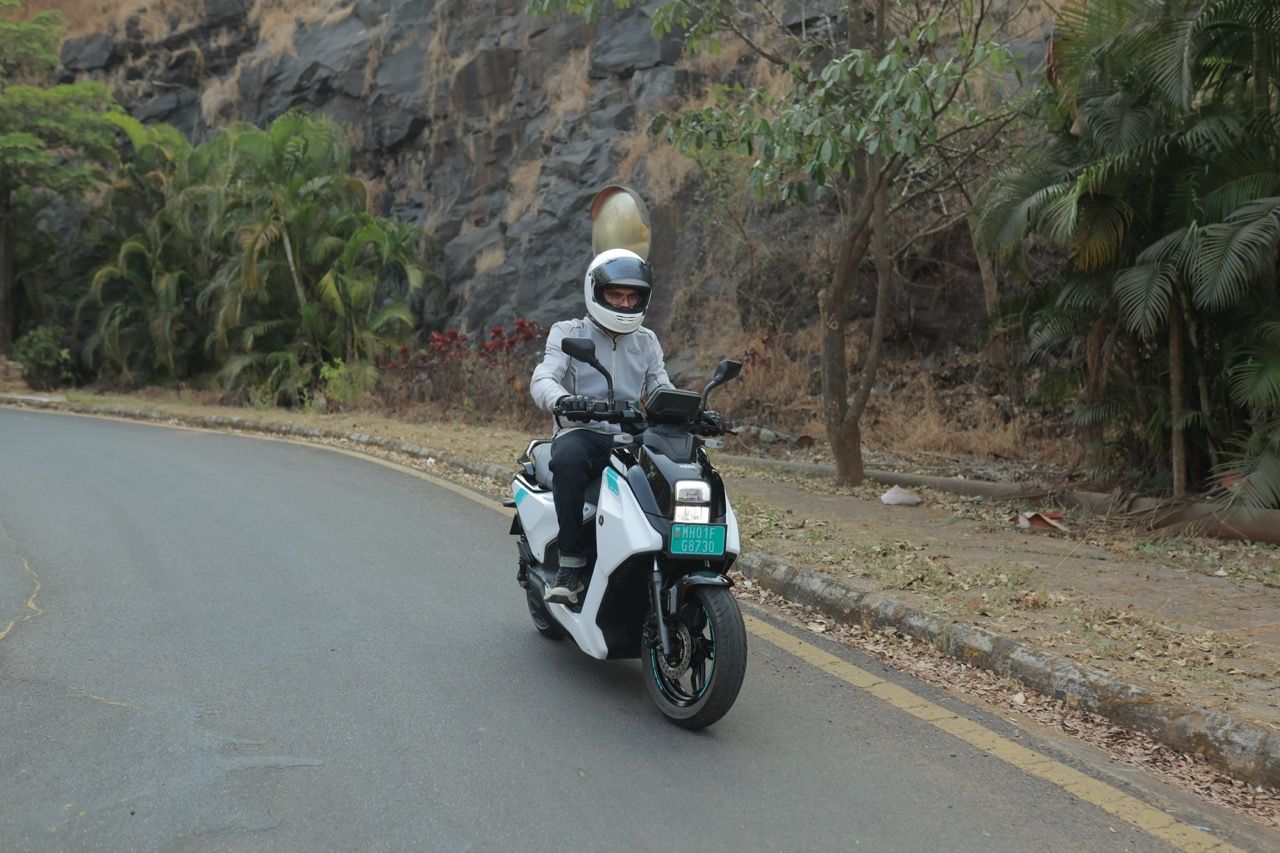
The first thing you notice is that the EC-06 cocoons you. It doesn't feel heavy, but just better planted. There’s a sense of density to it that actually works in its favour.
You get three ride modes: Eco, Standard and Power. Throttle calibration is impressively sorted across the board. Eco is predictably dull and struggles on inclines. Standard does what it says on the tin, no surprises, no complaints. Power is where it finally wakes up. It’s not abrupt or jerky, just a smooth, linear surge that feels properly dialled in, exactly what you’d expect from Yamaha.
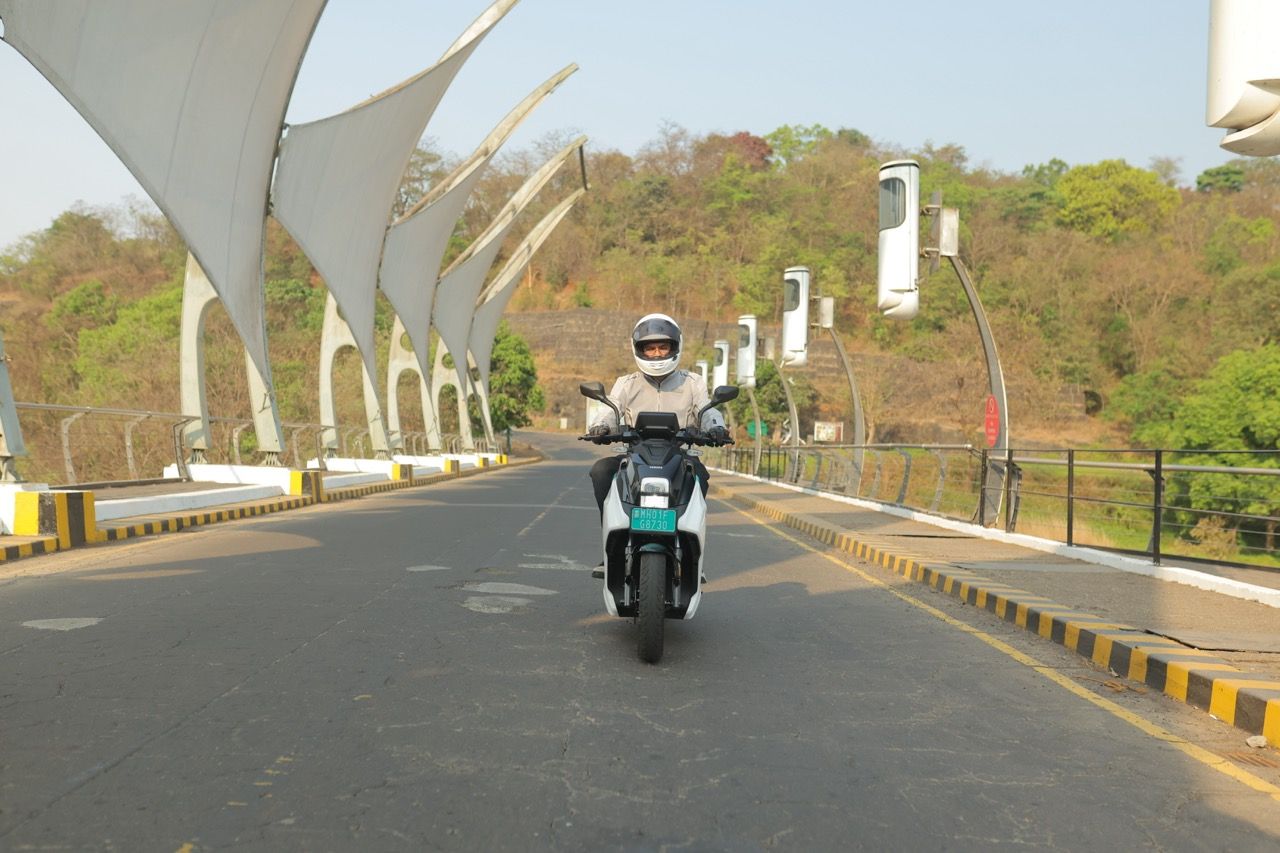
Once you’re moving, the EC-06 feels stable and predictable. It goes where you point it without second-guessing you. Ride quality is well judged too, slightly on the stiffer side, which helps with composure but might get a bit annoying on bad roads.
Braking is decent, but not exceptional. It does the job, though it could use a bit more initial bite. Where it does redeem itself is in low-speed usability. The lighter weight and low centre of gravity make it easy to manoeuvre, especially in traffic.
Push it into corners, though, and you’ll notice it needs a bit more effort than the Aerox E. It holds its line well enough, but it’s not as eager to tip in. That slightly heavier, more planted feel works both for and against it here. But then again, it’s not meant to be a sporty electric scooter.
The Verdict
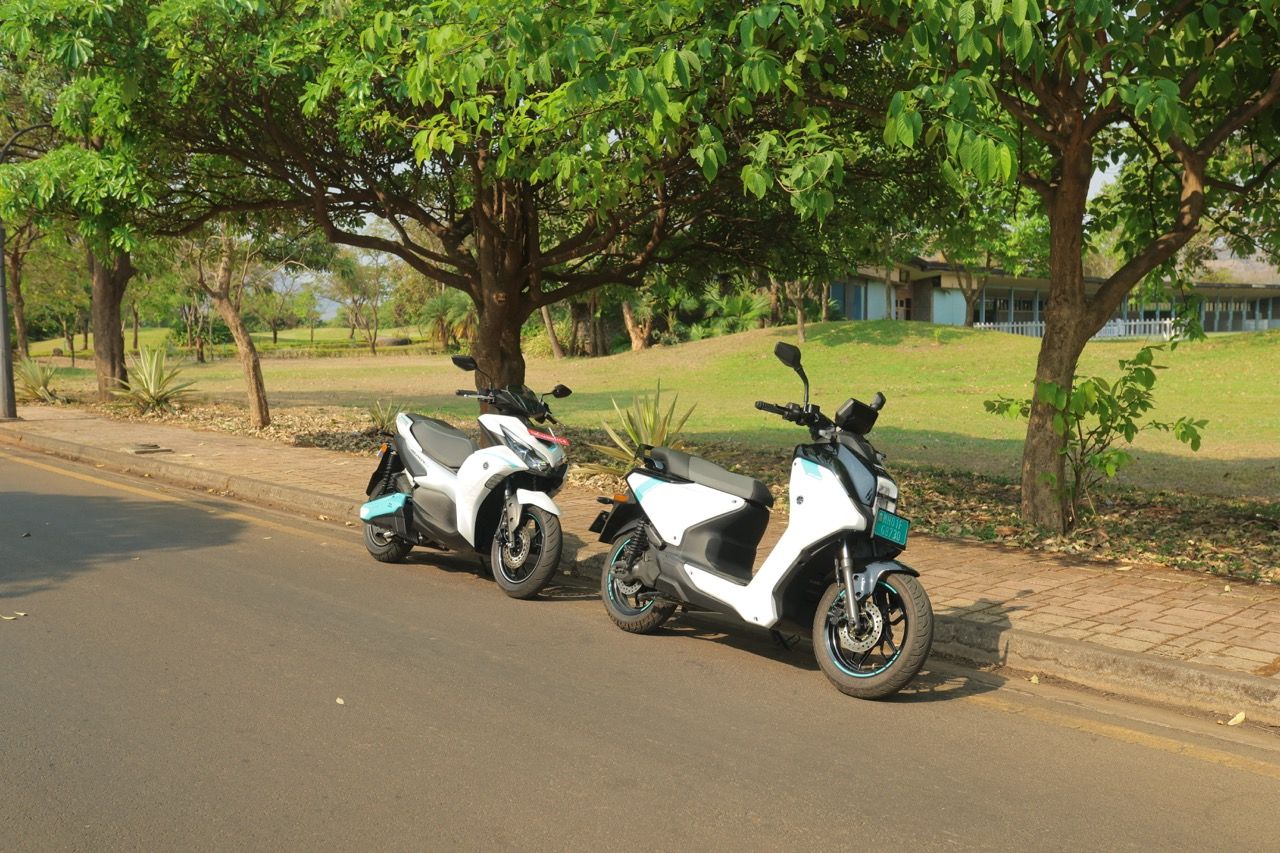
It’s difficult not to be impressed with the EC-06. It does almost everything it sets out to do, and it does it well. The design feels considered, the ride is sorted, and the overall quality is hard to fault. But there’s also a lingering sense that this should’ve been Yamaha Motor Company’s halo moment a few years ago, not now.
At ₹1.67 lakh, it sits in an awkward spot. That’s roughly ₹22,000 more than the River Indie, which still offers a more practical, utility-focused experience. At the same time, it edges into territory occupied by the Ather 450X (₹1.46 lakh), which brings more features, a higher top speed, and only a slightly lower IDC range of 161km.
And that’s really the problem. The EC-06 is good, very good even. But in a segment that moves this quickly, “good” isn’t always enough.
*All prices, ex-showroom


