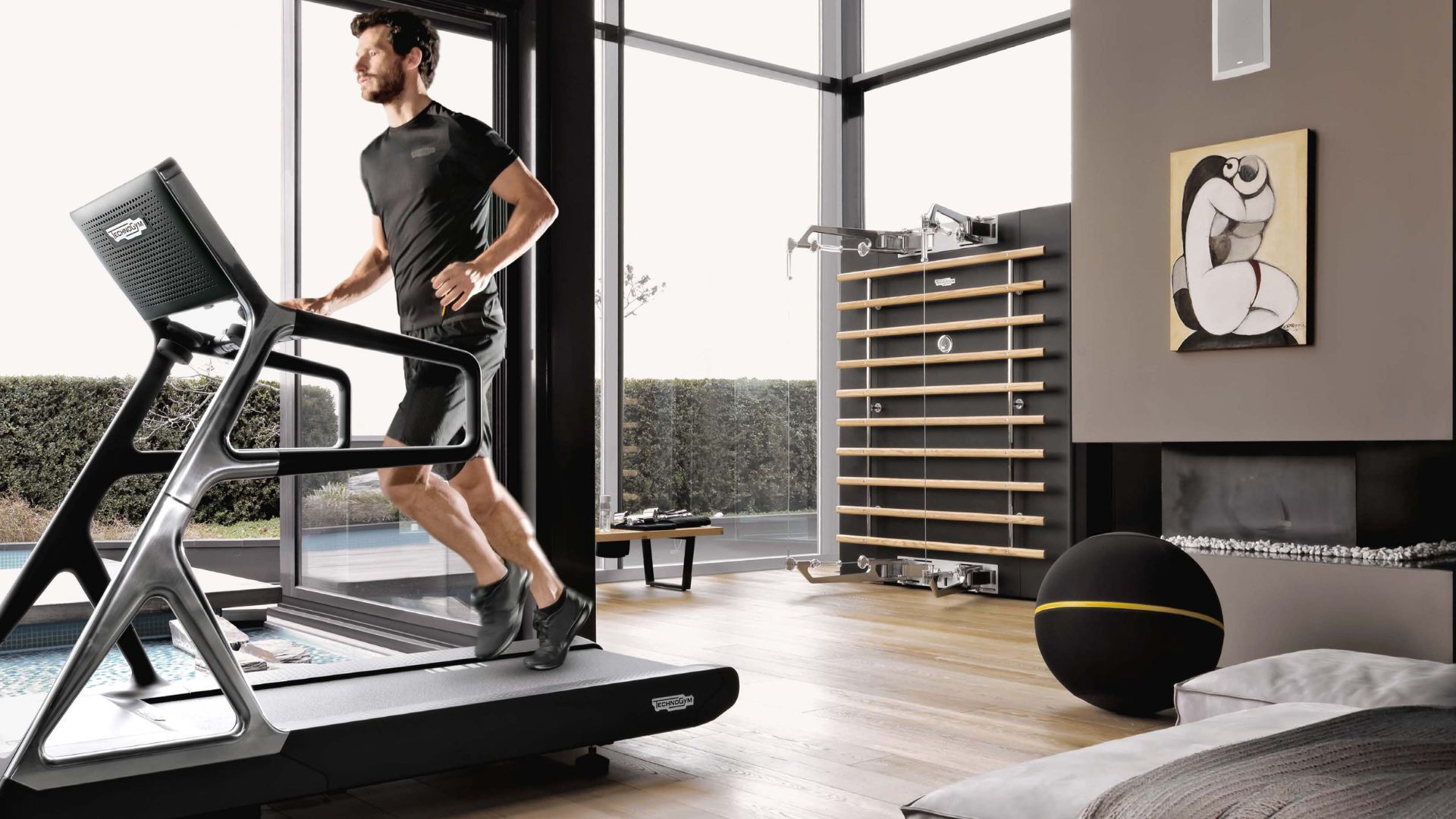
Technogym’s story begins long before artificial intelligence entered everyday life. Founded in 1983 in Italy by Nerio Alessandri, the brand started as a garage experiment rooted in engineering, biomechanics and an obsession with human movement. Over forty years it has become a global reference point for high-performance training and connected wellness, trusted by elite athletes and appointed Official Equipment Supplier to the Olympic Games nine times, including Paris 2024 and the Paralympics. It is one of the few companies in the fitness world that has evolved in rhythm with shifting definitions of training, from machine-led bodybuilding to functional performance and now intelligent, data-driven systems.

This evolution is philosophical as much as technological. Alessandri argued decades ago that exercise should be understood like medicine, a precise and measurable prescription rather than guesswork driven by effort alone. Today that idea has matured into a complete ecosystem in which equipment, software, data and human behaviour connect seamlessly. For India, where the fitness industry is expanding rapidly and gym users increasingly demand measurable progress, this shift is particularly relevant. The age of blind repetition and generic programmes is giving way to training environments that monitor, learn and adapt.
When AI Entered The Gym Floor
Artificial intelligence did not arrive in gyms as a dramatic disruption. It arrived gradually through early wearables, heart-rate sensors and calorie-counting apps. For years these tools collected data but could not interpret it. The real change came when three developments aligned: more sophisticated sensors and motion-capture hardware, cloud infrastructure capable of storing and processing large datasets, and machine learning models that could analyse patterns and make decisions. By the late 2010s, training technology had shifted from describing performance to proposing the next step in performance.
This marked the transition from a gym as a room full of machines to a connected digital environment. Equipment gained the ability to communicate with users and trainers. Training plans moved from static templates to dynamic models that adjusted in real time. In elite sport this meant narrower margins of improvement. In commercial gyms it meant personalisation at scale. In homes it meant a training system that felt less like equipment and more like a coaching partner.
How Technogym’s AI System Works
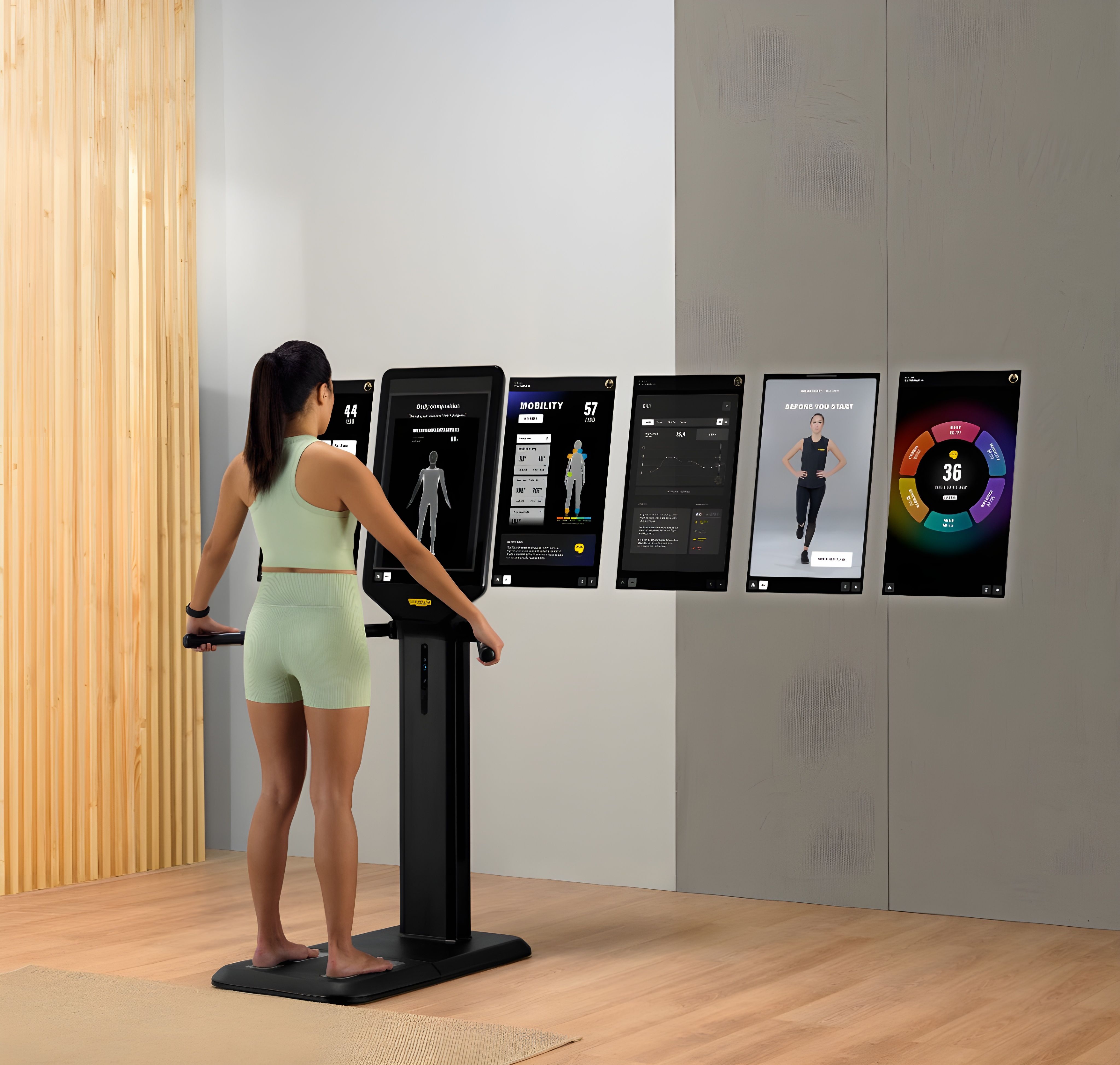
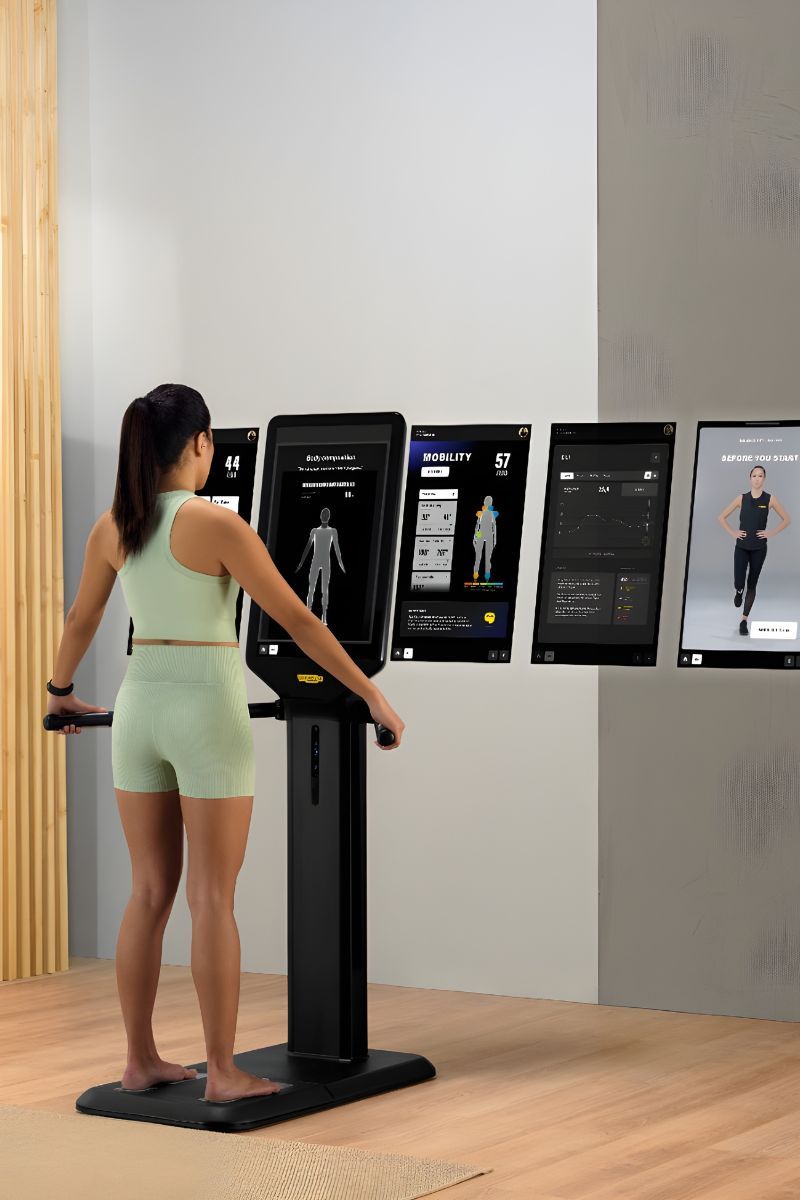
Within this landscape sits Technogym Checkup, the diagnostic entry point into Technogym’s AI-powered training ecosystem. Rather than collecting basic fitness statistics, Checkup evaluates a user across five categories:
- Body composition
- Strength and power
- Balance and postural stability
- Mobility and joint range
- Cognitive response and coordination
These values create a multidimensional profile of human performance. The data is processed through the connected Technogym Ecosystem and converted into a single reference metric called Wellness Age, which represents biological condition rather than chronological age. The goal becomes clear: improve performance by reducing that age relative to the body’s real state.
Once the assessment is complete, Technogym’s AI Coach generates a precision-based training programme tailored to individual needs and goals. Most importantly, the programme learns and adapts longside the user. After every session, new data is analysed and adjustments are made automatically. If the user’s power output increases, the system may emphasise balance or endurance to maintain symmetry. If mobility dips, the workload redistributes to prevent injury. If cognitive reactions slow, more neuromotor tasks are introduced. Traditional gym programmes change only when a trainer decides to intervene. This system adapts continuously without waiting for instruction.
The ecosystem is cloud-based, meaning the programme travels with the user. They can train in a commercial gym, a hotel, a corporate wellness space or at home, and the system recognises them instantly and continues their progress path.
What This Means In Practice
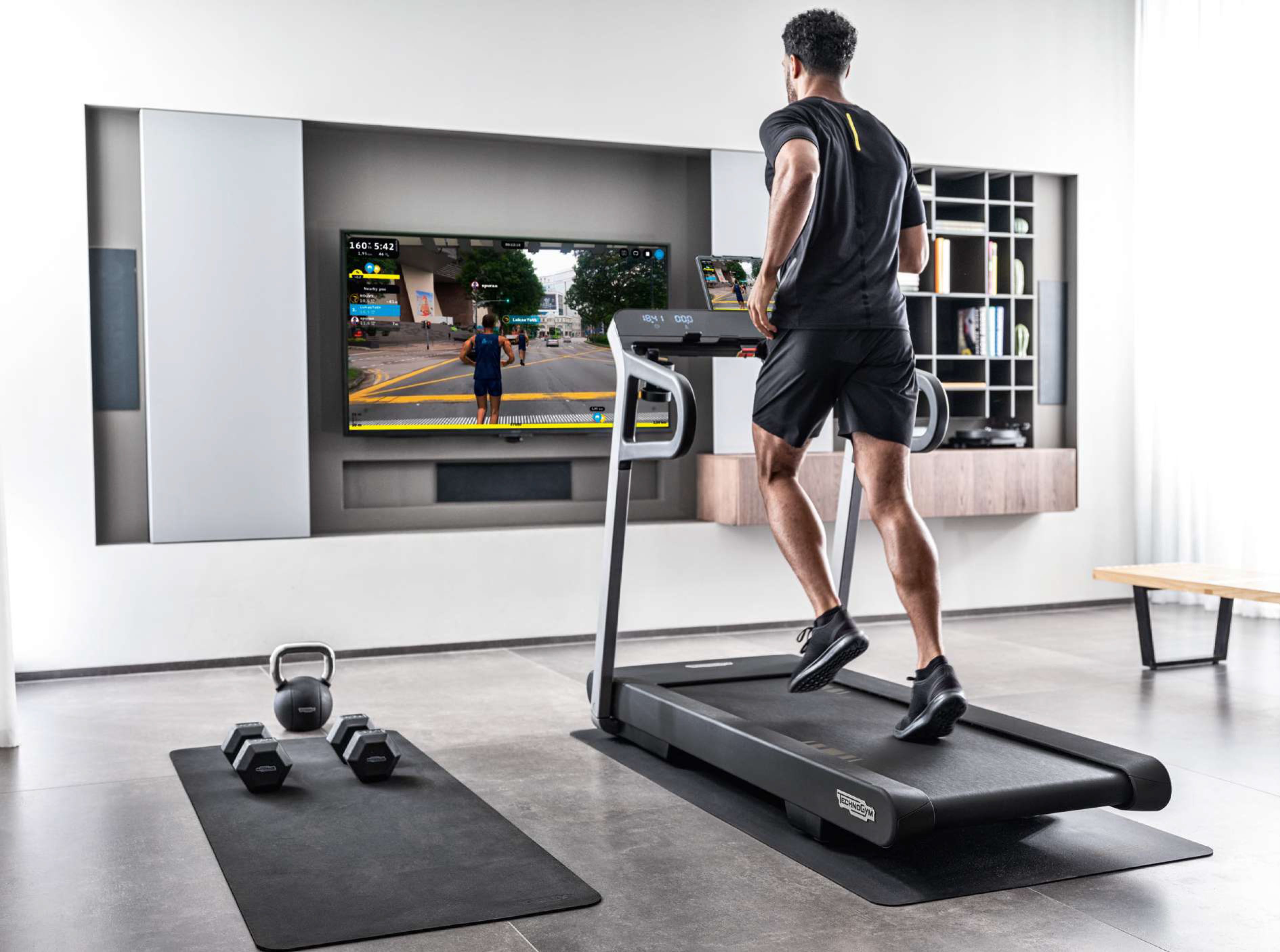
For athletes, this architecture functions like an always-on performance staff. For everyday gym members, it removes confusion, plateaus and the risk of poorly structured training. For gym operators in India it changes the economics of personalisation, since it delivers tailored programming without requiring a large team of coaches.
It also reshapes how progress is understood. Improvements in posture, stability, balance and reaction time become as important as kilograms lifted or kilometres run. It reframes the objective from looking fitter to functioning better and feeling younger in measurable terms. India’s fitness industry is in a defining moment. Gyms are shifting from steel and intuition to connected, intelligent environments. As boutique formats multiply and members seek transparency in results, a system that reads the body and responds to it offers a clear technological step forward. Hardware such as the Technogym Run and the Technogym Ride demonstrates equipment designed around performance science and user experience rather than aesthetics alone.
For a country redefining what working out looks like, this difference is significant. The most advanced gyms are not defined by larger spaces, louder equipment or heavier stacks. They are defined by systems that convert movement into knowledge and knowledge into measurable change, and India is ready for that step.


