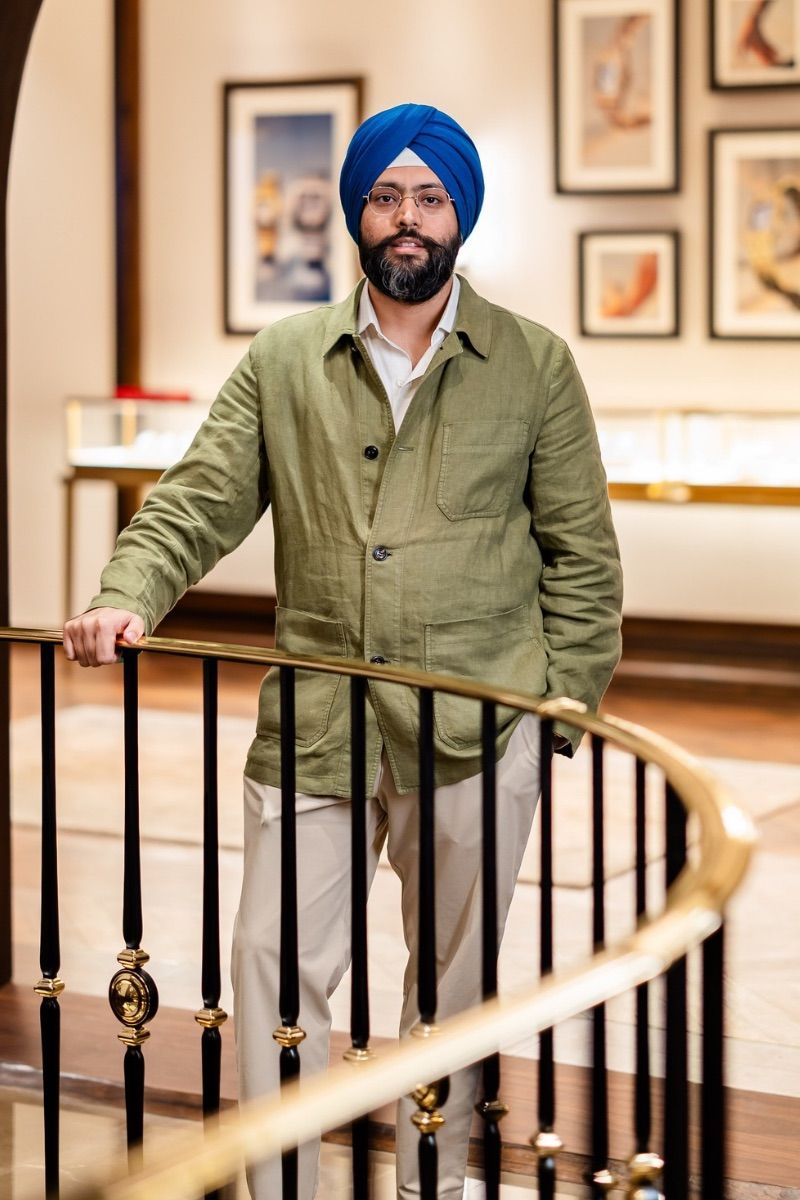
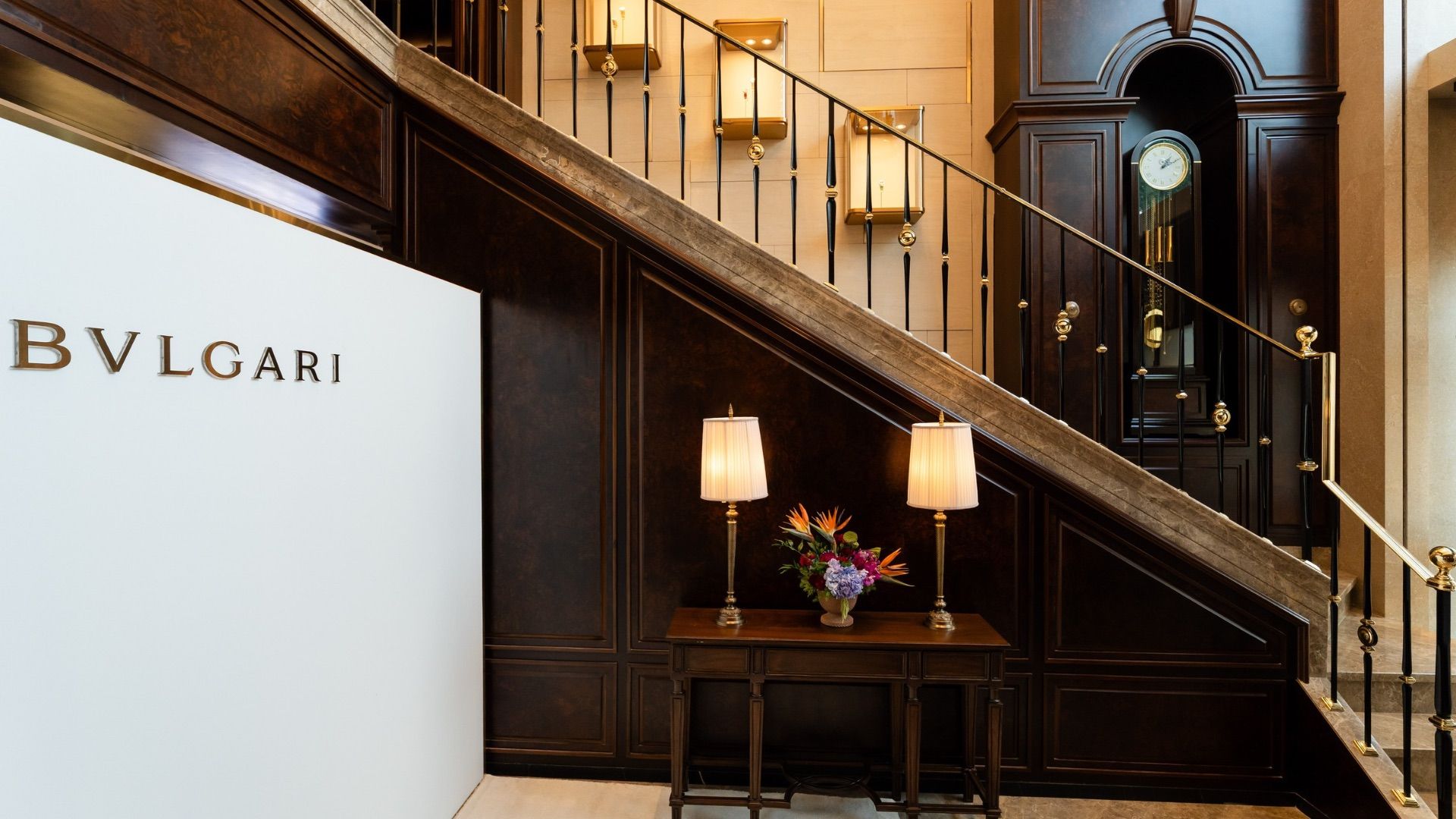
Back in 1967, D.S. Kapoor opened a modest watch-servicing workshop in New Delhi's South Extension, long before the capital became the luxury watch shopping destination it is today. Nearly six decades and three generations later, that little workshop has grown into Kapoor Watch Co., one of India's more established multi-brand luxury watch retailers, with over 18 international brands in its portfolio and a presence extending beyond Delhi to Chandigarh and Pune. Now, the family has returned to where it all began, reopening its original South Extension II address as a sprawling 8,000 sq. ft., three-storey flagship. Housing 12 watch brands, private client lounges, an integrated servicing facility and even a watchmaker training school, the new space is an interesting reflection of just how far the business has come, without entirely forgetting its roots as a humble servicing operation.
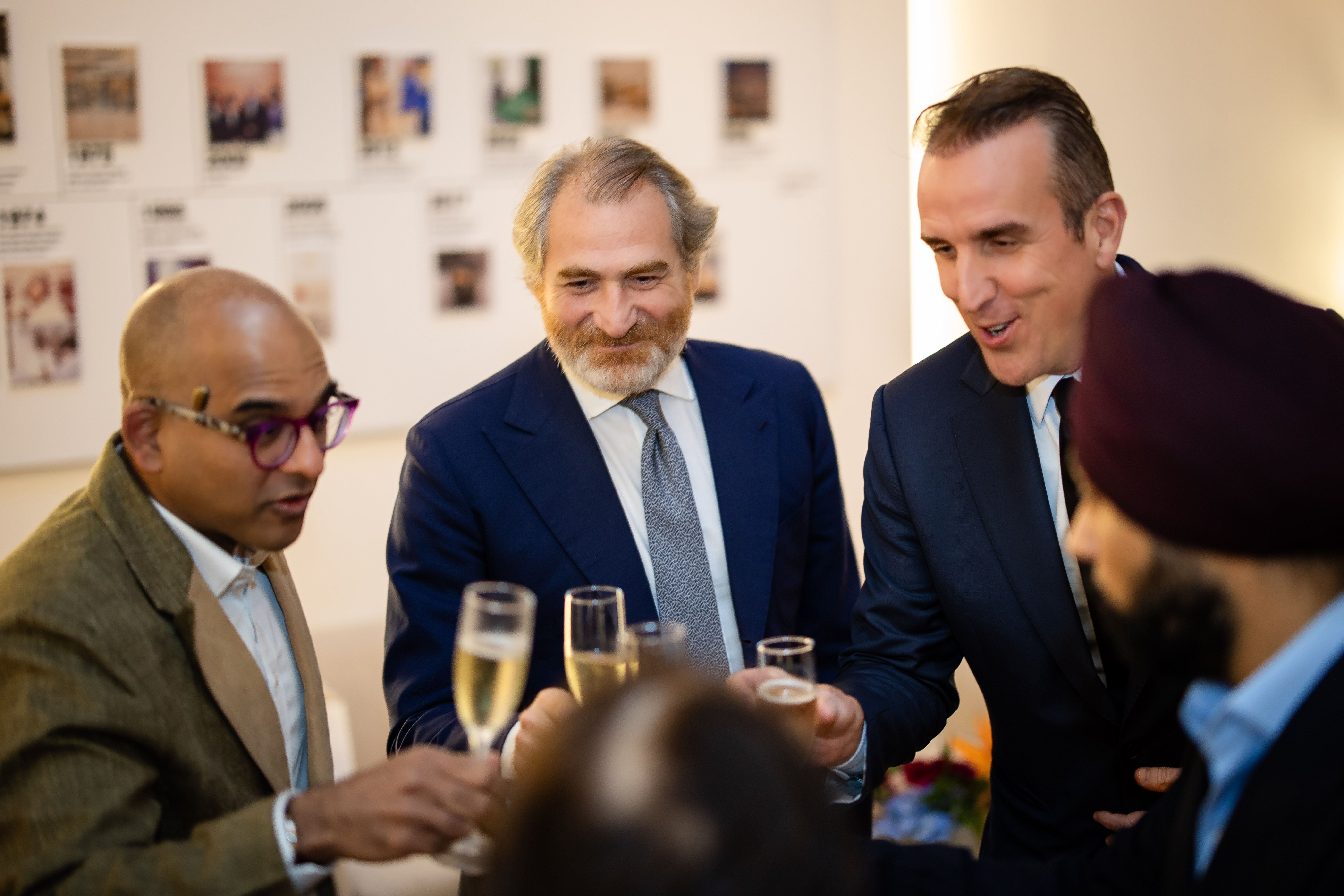
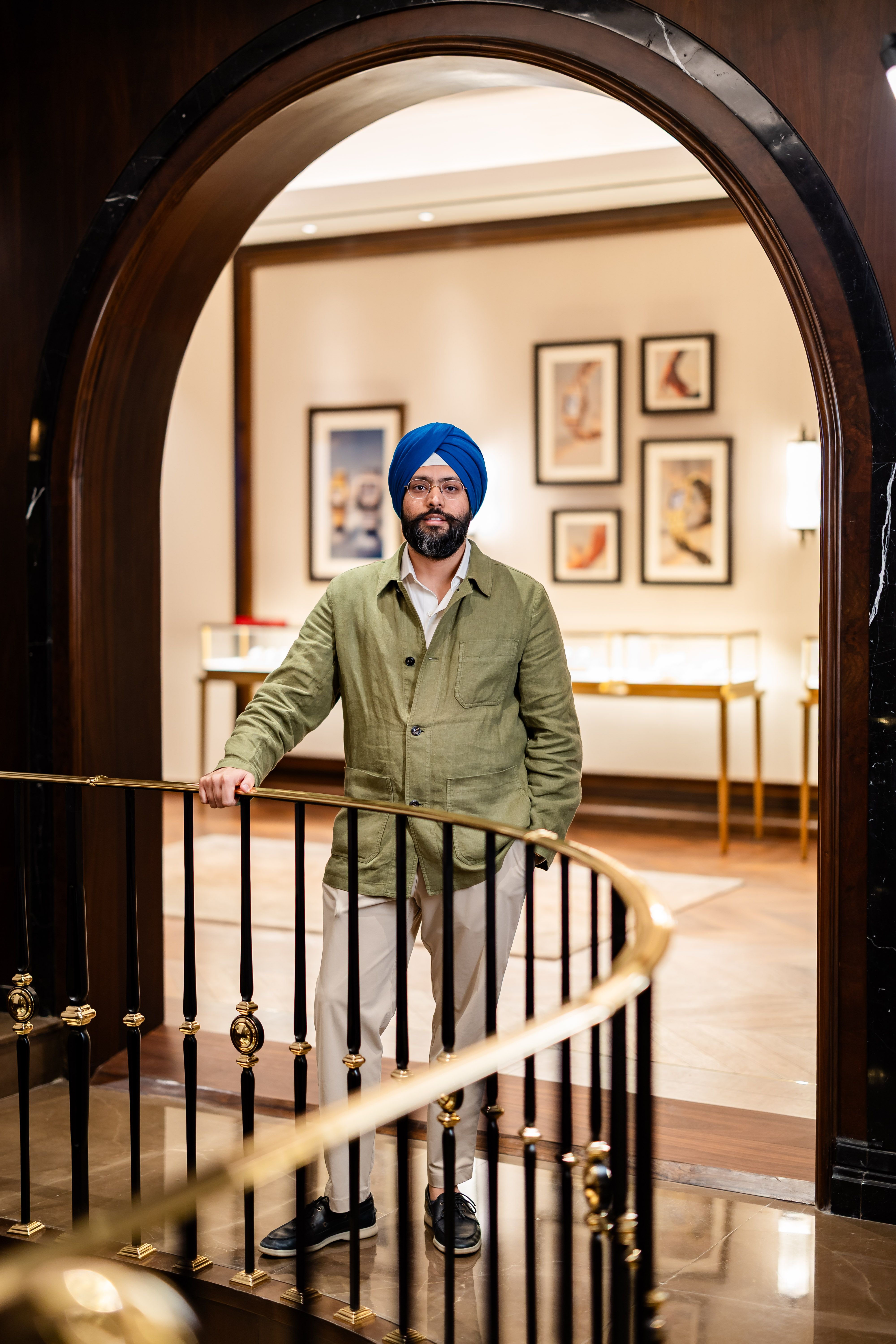
Naturally, the occasion called for a celebration, and Kapoor Watch Co. certainly wasn't doing things by halves. Its inaugural Hours & Icons showcase brought together international watchmaking executives, collectors and enthusiasts for several days of launches, exhibitions and conversations. The likes of Rishab Rikhiram Sharma, Ananya Panday and Ibrahim Ali Khan made appearances, but my personal celebrity moment came courtesy of a certain Italian gentleman who loves sketching watches and talking about old rally cars. Yes, Bvlgari's Fabrizio Buonamassa Stigliani was in town, and having interviewed the wonderfully animated designer at Watches and Wonders last year, catching up with him as well as Jonathan Brinbaum who leads Bvlgari Watches, was a particular highlight. As it turns out, getting him to Delhi had taken the Kapoor family two years of persuasion, something I learnt while chatting with Pratiek Kapoor, one of the company's third-generation directors. Sporting a rather fetching pink Tudor Black Bay Chrono 'Pink Flamingo', Pratiek joined me for a conversation about the changing business of luxury watch retail, India's increasingly discerning collectors and what comes next for the family business. Excerpts:
With brands increasingly opening standalone boutiques, where does the multi-brand retail format fit in today?
I think that's a very important conversation. Between 2021 and 2023, when the watch industry was recording some extraordinary numbers, almost every brand wanted to move towards exclusive boutiques. Everyone wanted their own environment, their own space to express themselves. But I don't think everyone necessarily considered what it takes to sustain a boutique over 10, 20 or 30 years. Rents keep increasing, salaries keep increasing, and running these spaces becomes more expensive.
We remained confident about the multi-brand concept throughout that period. We have a fairly balanced mix of exclusive brand boutiques and multi-brand stores, and I think brands are beginning to recognise the importance of strong multi-brand retailers again. The difference today is that they expect considerably more from these spaces.
A customer walking in with a budget of ₹10 lakh should be able to explore different brands and make an informed choice rather than having to visit several boutiques. At the same time, brands want enough room to express their identities properly. The days of giving a brand a tiny counter measuring a metre and a half are largely behind us. Today, even smaller brands expect three or five metres of space, along with a certain standard of experience.
Kapoor Watch Co. has a fairly selective portfolio. How do you decide which brands to bring on board?
We work with around 18 or 19 brands, and we've never wanted to build an enormous portfolio simply for the sake of it. Before adding Piaget recently, we hadn't brought in a new brand for roughly 12 or 13 years. In fact, over time we've parted ways with several brands. Our philosophy has always been to work with a limited number of strong brands and do justice to each of them. We'd rather be a significant retail partner for 18 brands than have 50 brands where we're unable to give everyone the attention they deserve.
Piaget, for instance, was a natural addition because it suited the clientele we have at South Extension, and we were offered exclusivity for North India. Most of our other brand relationships at this location go back 20 or 30 years. We've worked with Rolex here since 2005. With the new flagship, we're not necessarily reinventing that portfolio; we're giving these relationships more room to grow.
How do you balance the needs of brands with such different identities and customers?
Every brand has its own identity, strengths and clientele, and understanding those differences is extremely important. Take Rado, for example. Its sweet spot for us is roughly ₹2 lakh to ₹5 lakh, so that's where our attention is concentrated. A Rado customer may have very different expectations from someone buying a Cartier or Rolex, but that doesn't make either customer less important to us.
The volumes we achieve with brands like Rado, Longines and Tudor are significant. It's about knowing what customers are looking for in a particular location and curating the right mix accordingly. Every brand needs to have a purpose within the store.
Each evening at Hours & Icons had its own personality. How did you approach curating the events?
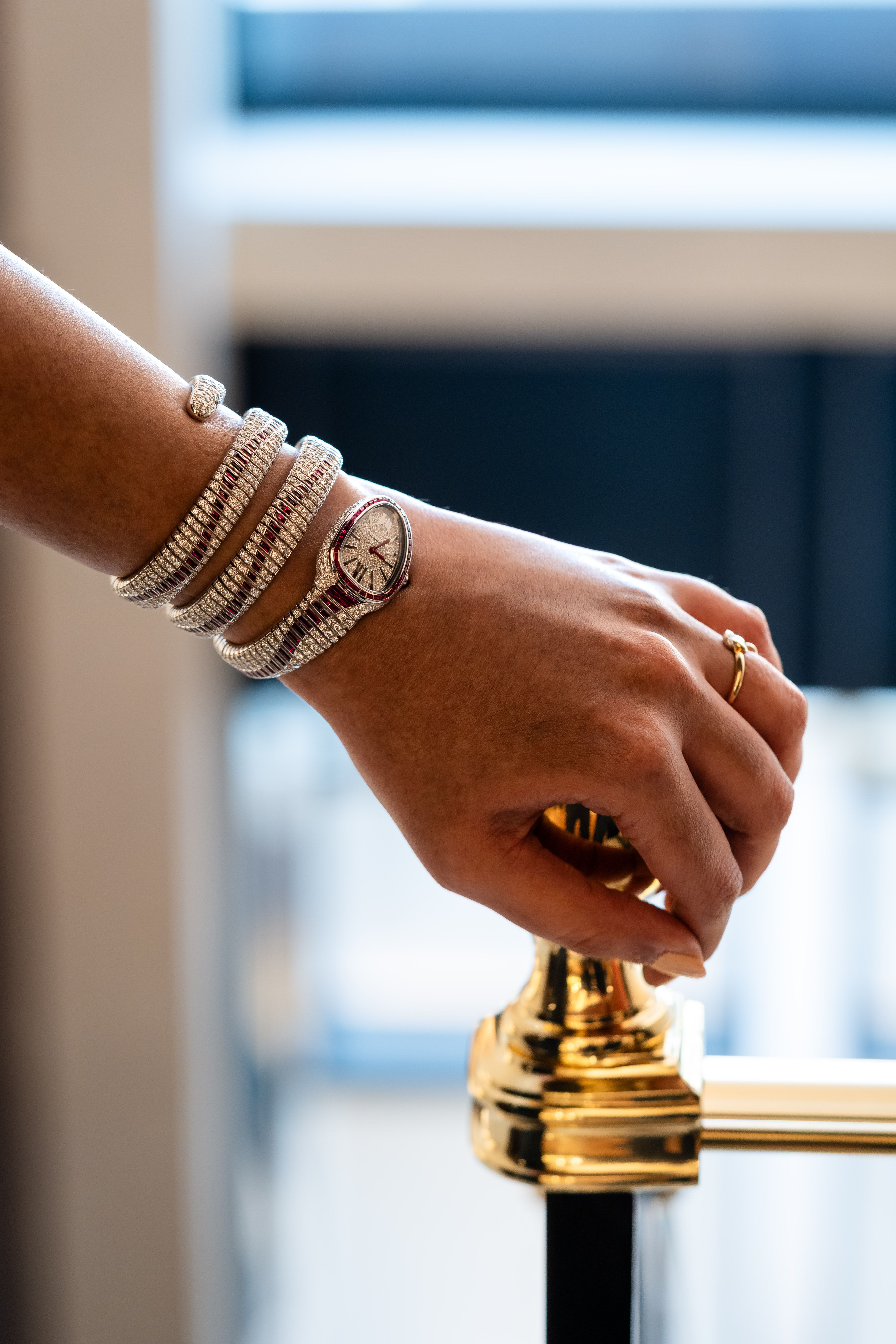
We were very particular about what we wanted to offer our customers through each event. It wasn't a matter of inviting everyone to the same kind of party every evening. With Piaget, for example, we were introducing a new brand to our portfolio, so we wanted a larger, more glamorous celebration to announce that relationship. TAG Heuer was launching an India limited edition, so that was an opportunity for the media and interested clients to experience the watch firsthand.
Bvlgari was something entirely different. Bringing Fabrizio to India meant we could invite collectors who are deeply interested in horology, people who can sit with him and have a proper conversation about watchmaking and complications. We wanted that evening to be about those interactions. And Cartier, which has a long relationship with us, was more of an intimate gathering of friends, family and collectors to close the celebrations. Every event had its own purpose and its own audience.
Bringing in a watchmaking legend like Fabrizio was a real treat. How did that come about?
It took us two years! I first spoke to him at Watches and Wonders in 2024 and told him he absolutely had to come to India. He was very enthusiastic and told his team to organise a visit, but we couldn't make the dates work that year. Then, in 2025, Vatsal and Mandar met him again and reminded him that he'd promised to visit. He immediately told his team to plan the trip. We actually got quite close that time. We had dates in mind and were thinking about organising something big, but unfortunately, his schedule changed and it didn't happen.
So, when we met him again at Watches and Wonders this year, I told him I was opening my flagship and really wanted him there. This time, he agreed, and we made sure we had a confirmed date before leaving Geneva. It took a lot of persistence, but I'm very happy we finally managed it.
What has expanding into Pune taught you about entering new markets?
Pune was a very important learning experience for us. In fact, we deliberately chose to enter a smaller market before Mumbai because we wanted to understand what it takes to operate outside our comfort zone. Delhi is our home market. We've been here for decades, and we've built relationships across generations. When you enter a new city, you're competing with retailers who already have those relationships. It's a completely different challenge. One thing we've learnt is that you cannot apply the same strategy everywhere in India. Buying behaviour differs significantly between cities.
In Delhi, people enjoy visiting malls and boutiques. Shopping can be a social activity or an evening out. Pune is different. Customers aren't necessarily going to walk into your showroom simply because you've opened a beautiful store. You have to reach out to them and cultivate those relationships. Ultimately, we're selling luxury watches, not products costing ₹5,000 or ₹10,000. It's a relationship-driven business. You cannot open a store and expect customers to arrive overnight. Building trust takes time, and that's something we've learnt through our experience in Pune.
And when can we expect Kapoor Watch Co. in Mumbai?
We're working on something for Mumbai towards the end of the year. It's not going to be a multi-brand store, but we're planning something big. I can't reveal too much just yet, but I think you'll be excited when you see it.
I love the pink Tudor you're wearing. What does your personal watch collection look like?
I have a mix of everything, actually. I don't necessarily think about whether something is sporty or classic. I buy watches based on what I like and what suits me—I'm a very impulsive buyer.
Take this Tudor, for example. I saw it at Watches and Wonders, and the moment I saw that pink dial, I knew I wanted it. My father, uncle and brother thought I was mad. They couldn't understand why I wanted a pink watch! But I was absolutely certain. I ended up buying the second piece that arrived.
More recently, I've been getting into retro watches. Just last week, I saw a yellow-gold Cartier Tank Louis with a black dial and black strap in one of our counters. It's a beautiful combination, very classic and understated. I immediately asked for it and bought it. That's the sort of thing I'm enjoying at the moment. I think watchmaking in general is moving towards more classic designs, and I'm finding myself drawn to them as well.


