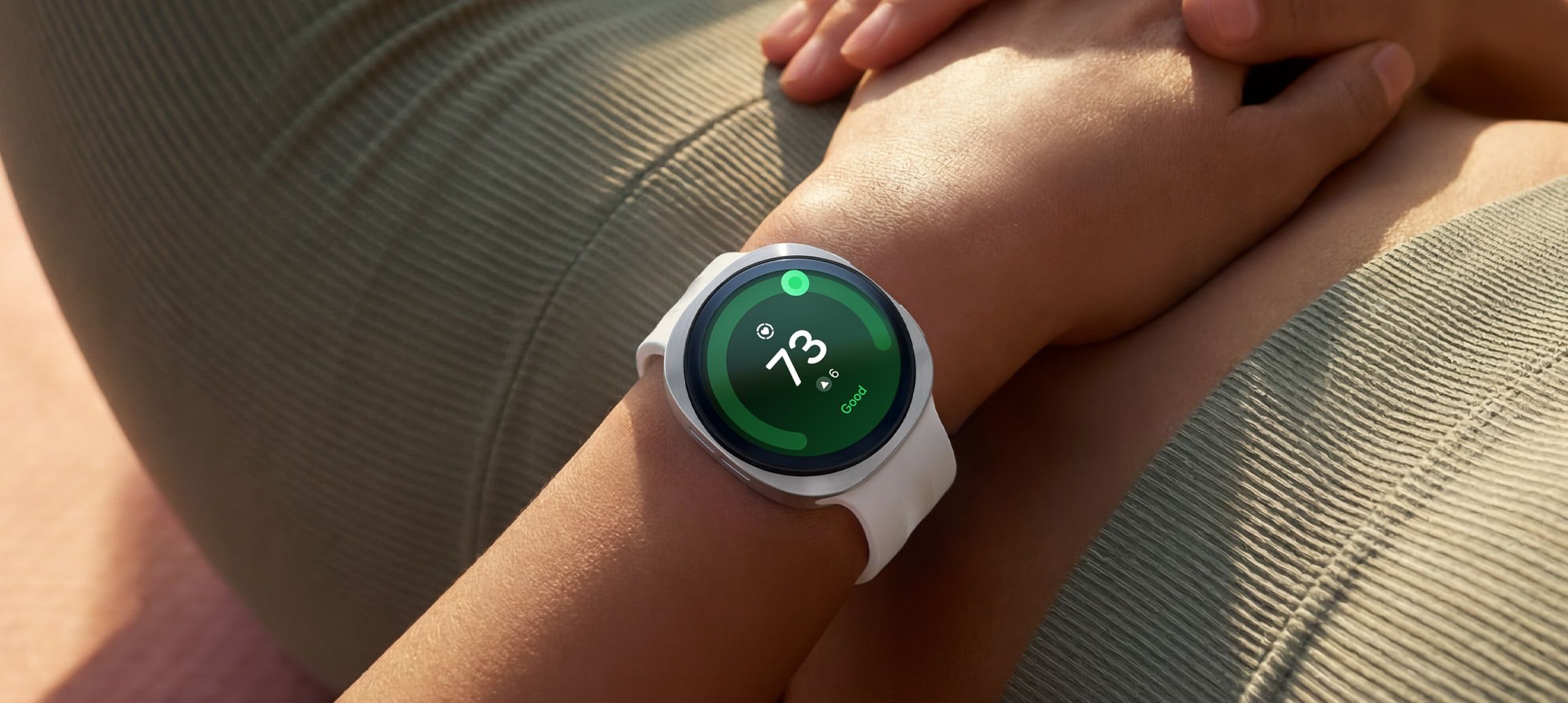
It’s only August, and Samsung has already given us the Galaxy S26 series, two new Buds, its new generation of foldables and two new smartwatches. That’s a packed release calendar from just the smartphones and wearables arm of its much larger consumer-tech business. Having already spent time with the Galaxy S26 Ultra and the Galaxy Z Fold8, I was curious to see what the Galaxy Watch9, would bring to the mix.
While the Galaxy Watch Ultra2 is designed for endurance sports and outdoor adventures, the Watch9 is meant to be the more practical everyday option. Available in 40mm and 44mm sizes, it combines a brighter display and smoother performance with new health features that don’t just collect data but also help make sense of it.
I wore the Galaxy Watch9 for a few weeks to see whether these updates make enough of a difference—and, more importantly, whether it is worth upgrading to. Here’s what I loved and what I didn’t.
What I Loved About The Samsung Galaxy Watch9
The Galaxy Watch9 Finally Gets Snapdragon Power
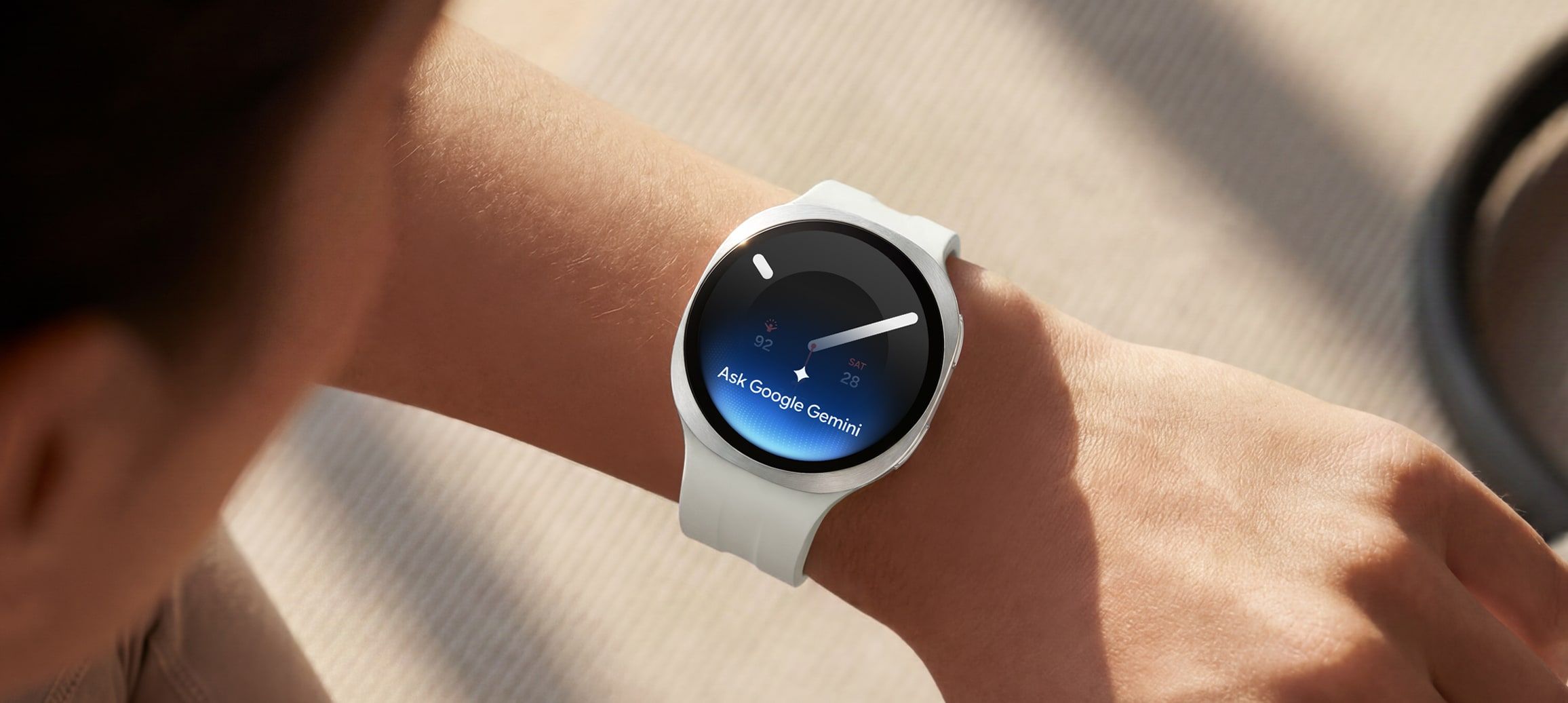
One of the biggest upgrades is its processor. It is the first Galaxy Watch powered by Qualcomm’s Snapdragon Wear Elite platform, marking Samsung’s move away from the Exynos processors. The difference was noticeable during everyday use. Apps opened quickly, animations remained fluid and I didn’t experience any lag while moving between health readings, workout modes, messages and notifications.
Everything also syncs seamlessly with my phone and the processor also supports the Watch9’s new Raise to Talk feature, which gives you hands-free access to Gemini simply by lifting the watch towards your mouth and speaking. Instead of navigating menus on the small screen, I could ask a question, send a text, set a reminder or tell Samsung Health to start tracking a workout.
I found it especially useful while driving. I could ask the watch to call someone or start navigation to a destination without reaching for my phone or taking my hands off the wheel.
How The Samsung Galaxy Watch9 Turns Health Data Into Useful Advice
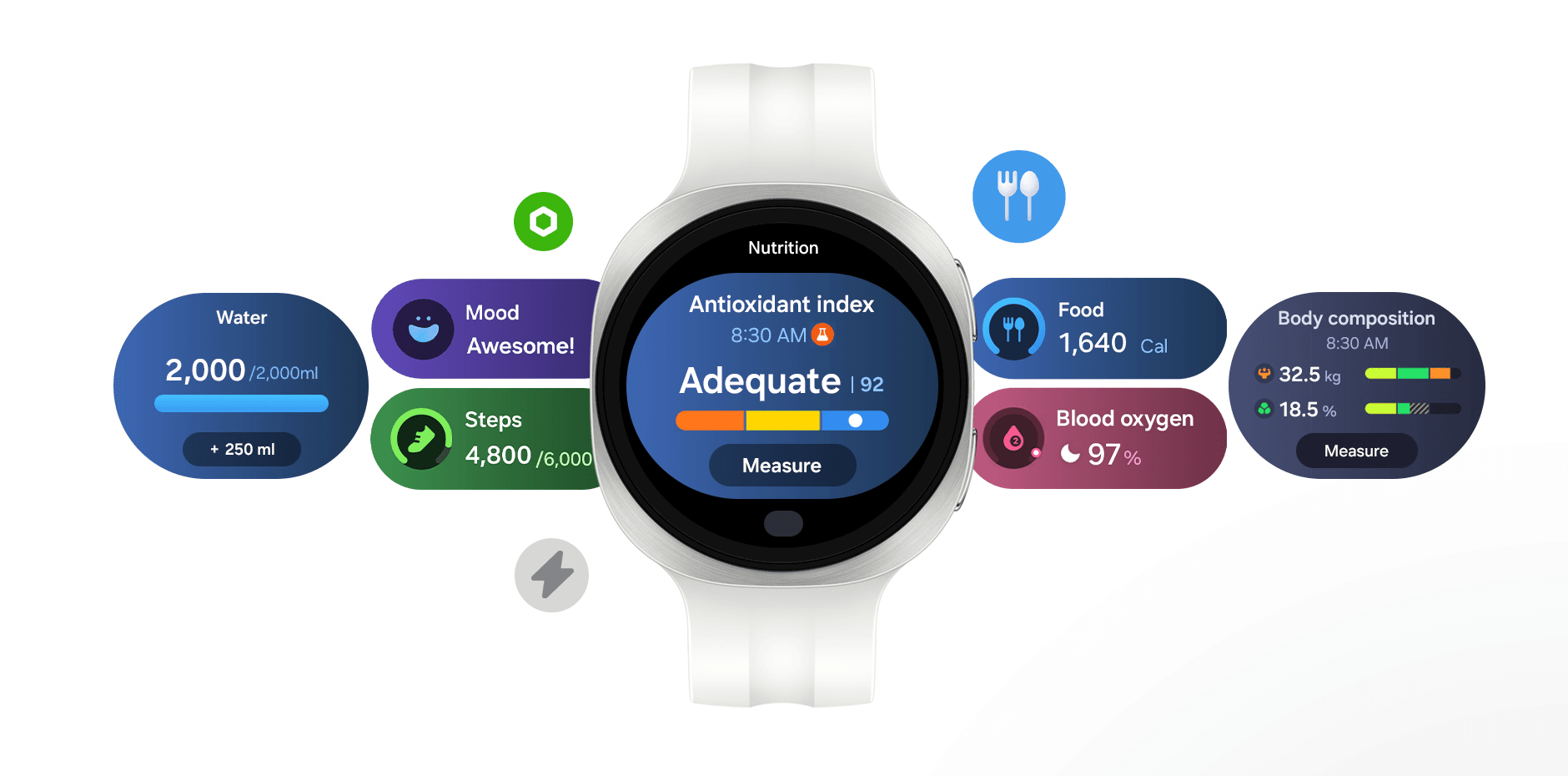
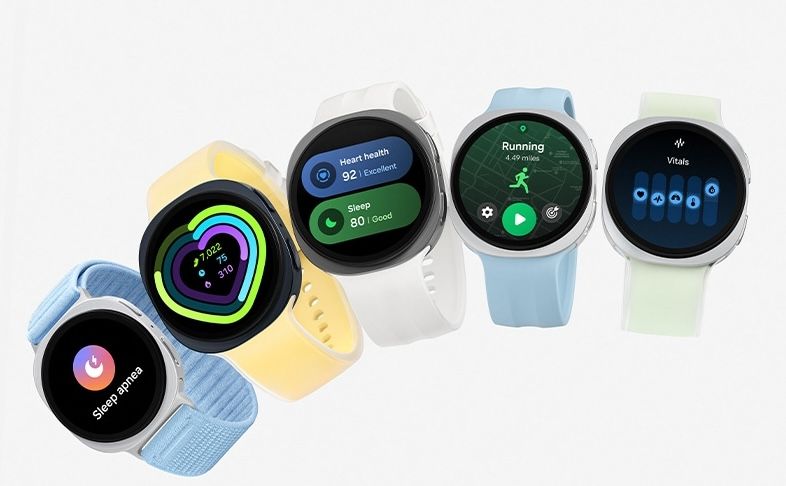
The biggest improvement to the Galaxy Watch9’s health tracking isn’t how much data it collects, but what it does with that information. Instead of leaving me with a series of scores to interpret, it used my sleep, activity, heart rate and other readings to offer advice that felt relevant to my day. In fact, its Sleep Apnea feature is FDA-cleared to detect signs of moderate-to-severe obstructive sleep apnea, although it is not a diagnostic tool.
Energy Score was the clearest example. After a good night’s sleep, the watch told me that I had recovered well and could opt for a more strenuous workout. When I hadn’t slept enough, the recommendation changed, telling me to take it easier that day.
Because I had worn the watch long enough for it to understand my usual activity levels, its recommendations also responded to changes in my routine. After completing two runs and attending a dance class in the same week—considerably more cardio than I usually do—Daily Cardio Load registered the increase in cardiovascular strain and suggested either a lighter session or more time to recover. It made the guidance feel specific to what I had actually done rather than like a generic reminder to rest.
Fitness Index and Body Composition helped me look beyond how active I had been. Although the two runs and dance class meant I was getting plenty of cardio, my Body Composition reading showed that skeletal muscle was an area I needed to improve. Along with metrics such as body fat and BMI, this helped me realise that an active week wasn’t necessarily a balanced one—and that I needed to add more strength training to my routine.
The stress tracker proved equally useful while I was rushing to finish work before a deadline. It detected that my stress level was high and warned me that prolonged stress could result in a headache—which I eventually developed. By continuously monitoring changes in heart rate and heart-rate variability, the watch can also show how frequently your stress levels rise throughout the day. Looking at the longer-term graph in Samsung Health gave me a clearer idea of how much stress I was carrying regularly rather than treating it as one particularly difficult afternoon.
Several other features help build this picture in the background. Vitals monitors heart rate, heart-rate variability, respiratory rate, skin temperature, blood pressure and blood oxygen while you sleep, comparing them with your personal baseline to identify unusual changes. Heart Health Score combines sleep, activity, stress and body-composition data to show how your daily habits may be affecting your cardiovascular wellness.
The Antioxidant Index is a more unusual addition, offering an indication of carotenoid levels and allowing you to follow changes through daily logs and trend charts. It isn’t a complete assessment of your diet, but it can make you more conscious of whether antioxidant-rich foods are appearing regularly in it.
None of these readings should replace professional medical advice. Together, however, they made the Watch9 feel less like a device that simply counts things and more like one that helped me understand what those numbers could mean.
The Galaxy Watch9 Is Easy To Wear All Day And Night
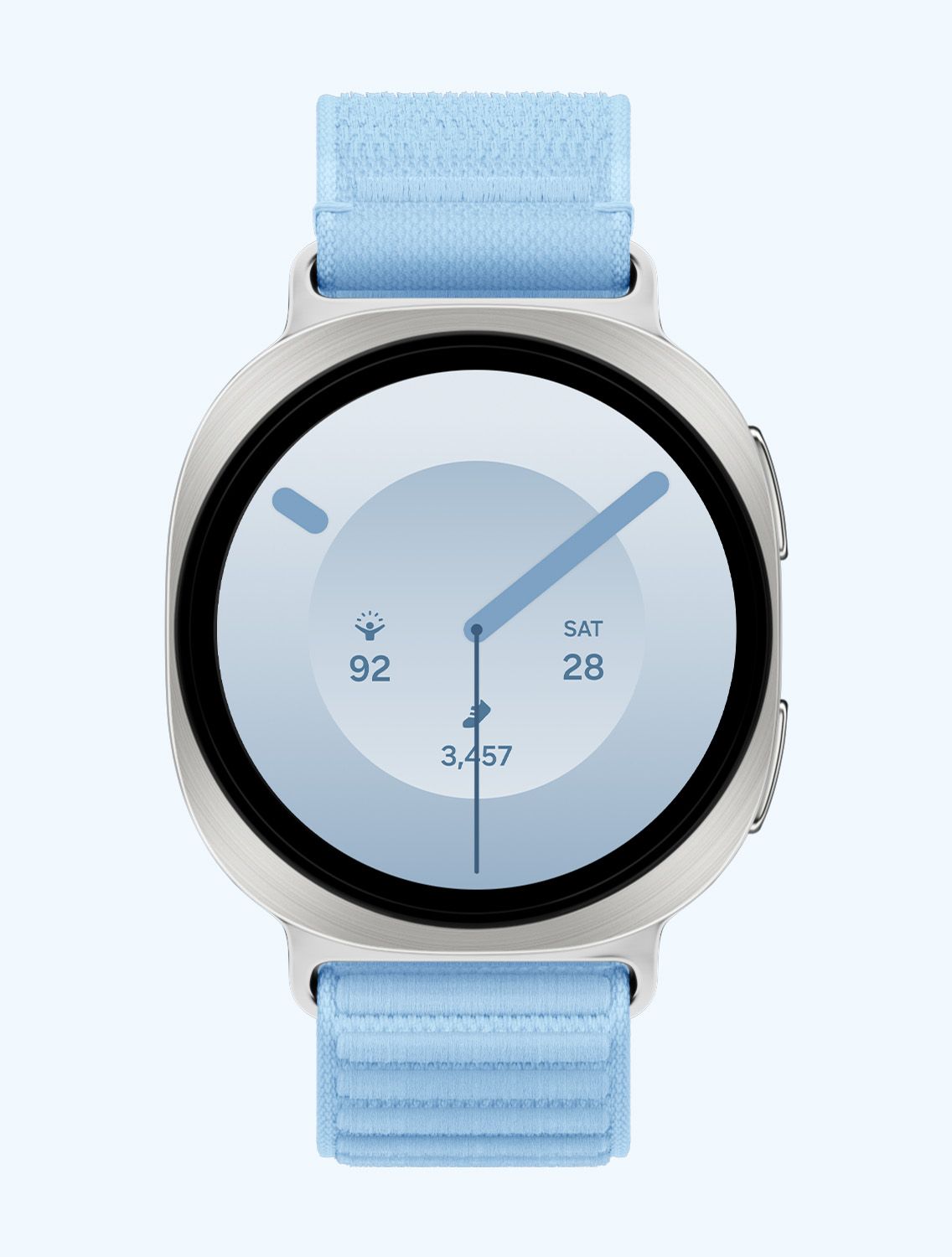
The Galaxy Watch9 comes with the Sport Band by default. It is soft, secure and comfortable enough for workouts, but I found the optional Fabric Band much easier to wear continuously. The lighter, more breathable material didn’t leave my wrist feeling sweaty after several hours and felt far less noticeable while I was sleeping.
That difference matters because many of the Watch9’s most useful health features depend on continuous wear. Energy Score and Vitals need overnight readings, while stress and activity tracking become more useful when the watch has enough data from across your day. The Sport Band works well when you are exercising, but the Fabric Band was the one I preferred when I wanted to wear the watch through work, workouts and sleep without constantly taking it off.
The battery made this easier, lasting around 35 to 38 hours on a single charge during my testing. It comfortably got me through an entire day, a night of sleep tracking and part of the following day without forcing me to constantly check the remaining percentage.
The 3,000-nit display was equally dependable outdoors. Whether I was checking a notification or looking at workout information under strong sunlight, everything remained clearly visible without having to shield the screen with my other hand.
I also didn’t feel the need to be overly precious with it. The display is protected by sapphire crystal, while 5ATM water resistance and an IP68 rating protect it against dust and freshwater exposure. It also meets the MIL-STD-810H durability standard for resistance against environmental conditions such as temperature changes, vibration and accidental drops. That doesn’t make it suitable for diving or high-pressure water activities, like the Galaxy Watch Ultra2 but it is strong enough to handle anything my daily life could throw at it.
What I Didn’t Like About The Samsung Galaxy Watch9
The Galaxy Watch9 Takes Far Too Long To Charge
While the battery life was dependable, charging it required far more patience than I expected. The Watch9 took around two and a half hours to go from zero to 100 per cent during my testing.
That feels particularly slow for a device designed to be worn throughout the day and night. If I forgot to charge it before bed, a quick top-up wasn’t always enough to comfortably track my sleep and continue through the following day. I often had to plan charging windows around showers, work or any period when I knew I wouldn’t need the watch.
For a smartwatch that becomes more useful the longer you keep it on, spending that much time off your wrist feels counterproductive.
Should You Buy The Samsung Galaxy Watch9?
Starting at ₹37,999 for the 40mm Bluetooth model, the Galaxy Watch9 isn’t an impulsive upgrade. Whether it is worth buying depends largely on which smartwatch is currently on your wrist.
If this is your first Galaxy Watch or you are upgrading from a much older model, the Watch9 offers plenty to justify the price. The Snapdragon Wear Elite platform makes everything feel faster, its health features provide genuinely useful guidance, the display remains clear outdoors and the larger battery comfortably lasts beyond a full day.
The decision is less straightforward for Watch8 owners. Although the changes inside are meaningful, the two watches look extremely similar from the outside. The Watch9 retains the same cushion-shaped design, while even the 40mm version also felt slightly overwhelming on my smaller wrist.
The new processor and improved health analysis make the Watch9 the better watch, but they may not transform the everyday experience enough to justify upgrading after only one generation. Watch8 users can afford to wait; everyone coming from an older watch will notice a much more substantial difference.


